
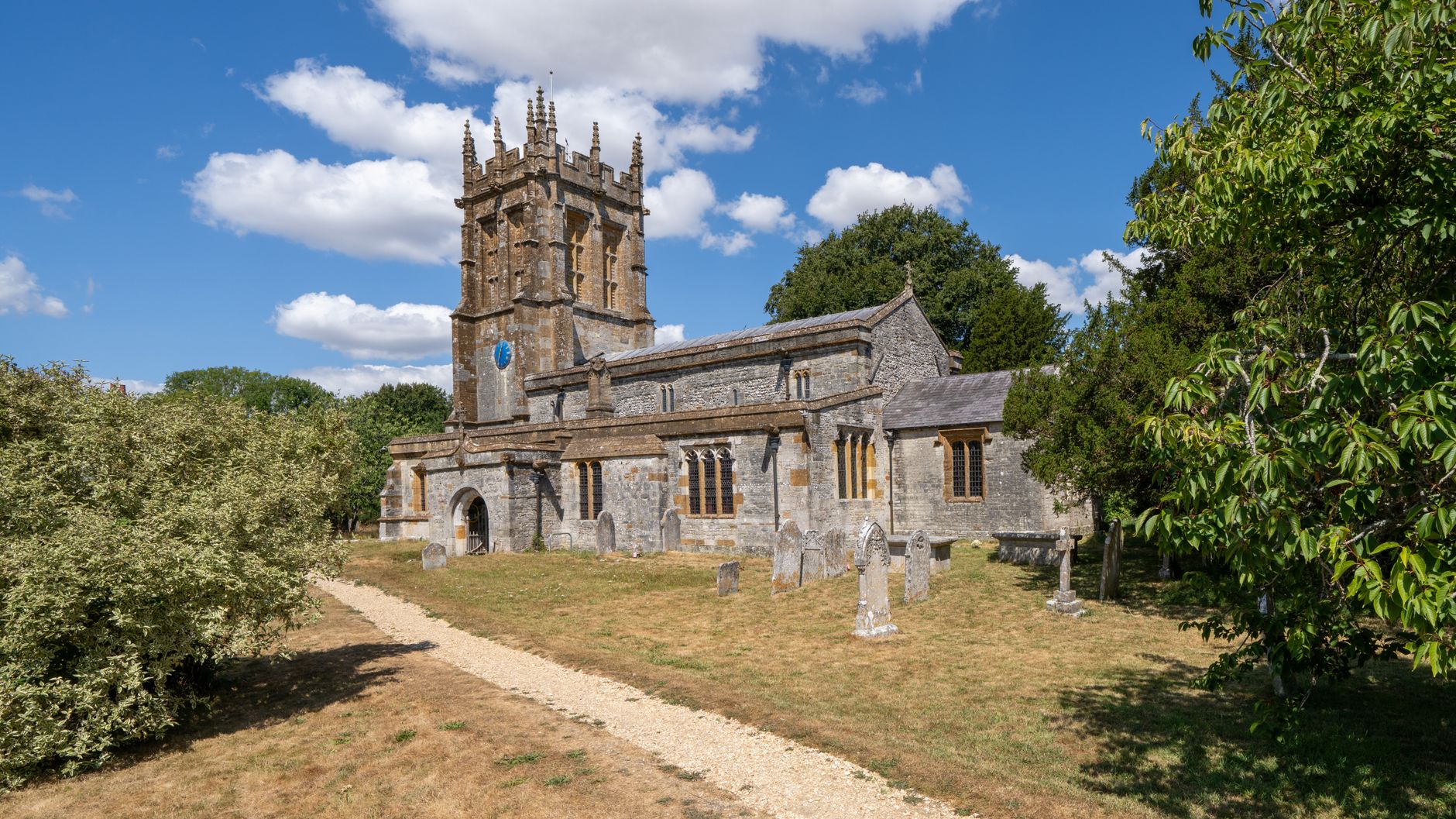
British Cultural Traditions: A Practical Guide to Britain’s Living Customs
British cultural traditions are less a museum piece than a working timetable: church bells on Sunday, the queue at the village bakery, the bonfire in early November. Newcomers discover fast that british cultural traditions run on unwritten rules — who gets served first at the bar, how long a fete stall stays open, and exactly how much complaining about drizzle counts as acceptable small talk. Across England, Scotland, Wales and Northern Ireland these customs differ by county, sometimes by postcode, yet they share one structure: a fixed calendar, a shared meal, and a local institution that keeps the whole thing running. This guide sets out what those customs look like at street level, what they cost to join in GBP, and how households across the UK — from morris sides to dog owners scrolling breeder listings — keep them alive week after week.
What Actually Counts as a British Tradition
A useful test is repetition plus obligation. A custom qualifies when it recurs on a fixed date and when skipping it carries mild social cost: the Boxing Day walk, the office Secret Santa capped at £10, the poppy worn from late October onwards. Frequency, not antiquity, is what keeps a custom functioning.
Age varies wildly. Morris dancing and well dressing run back centuries, while the Sunday car boot sale and the charity fun run are modern additions that behave identically. Both fill a hall or a field, both raise money for a local cause, and both depend on roughly a dozen unpaid volunteers.
Institutions carry the weight. Parish councils, working men’s clubs, cricket pavilions, allotment societies and village halls provide the venue, the insurance and the tea urn. Remove those and the calendar collapses within two seasons, which is why hall hire at £12 to £25 an hour remains a genuine cultural indicator.
The Regional Patchwork
Cornwall keeps Obby Oss on 1 May; Yorkshire keeps its brass bands; Northumberland keeps smallpipes and the Alnwick fair. Scotland’s Burns Night on 25 January and the Welsh Eisteddfod circuit operate on entirely separate calendars, with their own dress codes, set menus and prize categories that outsiders rarely see advertised anywhere.
Tea, Pubs and the Sunday Roast
The daily ritual most visitors notice is tea — roughly 100 million cups a day nationally, usually strong, usually with milk. A 240-bag box of a standard brand sits around £3 to £5, which makes the ritual almost free per serving and explains its persistence through every economic cycle.
The pub does the heavier social work. A wet-led local runs quiz nights, darts leagues, charity raffles and the Christmas hamper draw. Pint prices range from about £3.60 in parts of the north to over £6.50 in central London, yet the function — a neutral room where strangers get introduced — stays identical.
Sunday lunch anchors the week. Beef, roast potatoes cooked in dripping, Yorkshire pudding, two vegetables and gravy, served between noon and four. Pub carveries commonly charge £14 to £22 per head, and the booking pattern — three generations around one table — is the tradition’s actual point.
The Community Calendar: Fetes, Bank Holidays and Bonfires
Eight bank holidays in England and Wales, nine in Scotland and ten in Northern Ireland set the rhythm. Around them cluster the fixtures that fill local diaries: the summer fete, the harvest supper, Bonfire Night on 5 November, the Remembrance parade, and the pantomime run through December.
The fete is the format worth studying. A field, a marquee, a tombola, a produce tent, a dog show with rosettes for waggiest tail, and a committee that has met monthly since January. Takings of £2,000 to £6,000 typically fund the hall roof, the scout hut or a defibrillator.
Predictability is the feature, not the flaw. Volunteers can commit a year ahead, suppliers quote in advance, and children grow up knowing exactly which weekend belongs to which event. The seasonal pattern below repeats in thousands of parishes with only minor local variation in dates, names and running order.
- January to March — Burns Night suppers, pancake races, spring quiz leagues
- April to June — May Day celebrations, well dressing, fete planning meetings
- July to August — summer fete, agricultural shows, open gardens weekends
- September to October — harvest supper, apple day, half-term craft fairs
- November to December — bonfire night, Remembrance Sunday, carol service, pantomime
The Bulldog and Britain’s Dog-Keeping Heritage
Few emblems appear in british cultural traditions as often as the bulldog — on regimental badges, wartime posters, pub signs and seaside postcards. The breed’s modern pull is measurable: bulldog types sit consistently inside the Kennel Club’s most registered breeds, and the French bulldog has repeatedly topped annual puppy registration tables.
That popularity shows in how families search. Someone in Bolton types english bulldog puppy for sale near me; someone in Kent types puppy bulldog for sale near me; a household hunting the traditional broad-chested type searches british bulldog puppy for sale near me. The vocabulary differs, but the intent is one dog on the sofa.
Breed choice tracks housing stock. Terraced streets and upper-floor flats favour smaller companions, which is why a puppy french bulldog for sale attracts far more enquiries than a mastiff, while rural smallholdings still field requests for an american bulldog puppy for sale near me from owners with land and time.
What a Puppy Actually Costs in the UK
Price separates responsible breeding from impulse buying. Any advert headed french bulldog puppy for sale should name a licence number, and a KC-registered french bulldog puppy for sale uk with BOAS assessment and a written contract sits far above a hastily listed puppy for sale french bulldog on a classifieds app.
| Bulldog type | Typical UK price | What drives the figure |
|---|---|---|
| French bulldog, KC registered | £2,000 – £4,000 | Health-tested parents, DNA screening, breeder licence |
| Blue french bulldog puppy for sale | £2,500 – £5,000 | Colour not KC-recognised; premium is fashion, not health |
| English or British bulldog | £2,500 – £4,500 | Caesarean rates and veterinary costs raise breeder outlay |
| Mini bulldog puppy for sale | £1,200 – £2,500 | Crossbred, unstandardised; verify both parent breeds |
| American bulldog | £900 – £2,000 | Working lines, larger litters, lower veterinary overhead |
Running costs matter more than the sticker. Insurance for a flat-faced breed commonly runs £45 to £90 a month, annual vaccination and check-up around £70 to £120, and corrective airway surgery can exceed £2,500. Anyone weighing french bulldog puppy price uk figures should budget the decade, not the day.
Passing British Cultural Traditions to the Next Generation
Transmission happens through repetition in mixed-age settings. A child who helps run the tombola at eight will chair the committee at thirty-eight. Schools contribute maypole dancing and harvest assemblies; scout groups, cadet forces and youth football clubs supply most of the remaining scaffolding across UK communities.
Craft skills survive the same way. Dry stone walling, thatching, bell ringing, brewing and hedge laying are taught on weekend courses costing £60 to £150 a day. Attendance has climbed as councils fund heritage schemes, and waiting lists for bell towers in several counties now run for months.
Sport carries the heaviest load of all. Village cricket, Sunday league football, crown green bowls and pub darts each supply a weekly reason to gather in one place. Membership at a small club typically costs £40 to £120 a year, the cheapest cultural subscription available anywhere.
How do local customs differ between English regions?
Differences fall into three layers: calendar, food and language. Calendar first — Yorkshire holds rushbearing, Derbyshire holds well dressing, Sussex holds enormous bonfire society parades that dwarf a standard 5 November event. Food second — a Cornish pasty carries a protected designation, while Bedfordshire clangers, Lancashire hotpot and Bath buns stay stubbornly regional despite national supermarket distribution. Language third — bread rolls are called baps, barms, cobs or teacakes depending on which side of a county line you stand on, and getting it wrong marks you as an outsider instantly. The practical advice is simple: attend one full seasonal cycle before assuming you understand a place, because a single summer shows only a quarter of the pattern.
Is the bulldog still a genuine part of British heritage?
Yes, though its role has shifted from working animal to household companion and national shorthand. The breed was originally developed for a cruel blood sport banned in 1835; everything since has been selective breeding for temperament. That history explains both the affection and the modern health debate around flat-faced dogs. Registration data shows continued demand, and searches for a puppy french bulldog for sale uk remain among the busiest pet queries placed by British households each year. Responsible ownership now defines the tradition better than ownership alone: choose a breeder who screens for airway, spinal and eye conditions, ask to see both parents, walk your dog in cool hours, and keep weight tightly controlled throughout its life.
What does joining local community life actually cost?
Less than most people assume. A parish quiz night runs £2 to £5 per person including a raffle ticket. Allotment rent averages £30 to £90 a year depending on plot size and council. Village hall classes — yoga, art, choir, dance — commonly charge £5 to £8 a session. A cricket or bowls club membership sits between £40 and £120 annually, and volunteering at a fete costs nothing but a Saturday morning. The larger investment is time and consistency: committees notice who returns. Turn up three times to the same event and you will be handed a job, which is exactly how these customs have replenished themselves for generations across towns and villages nationwide.
