
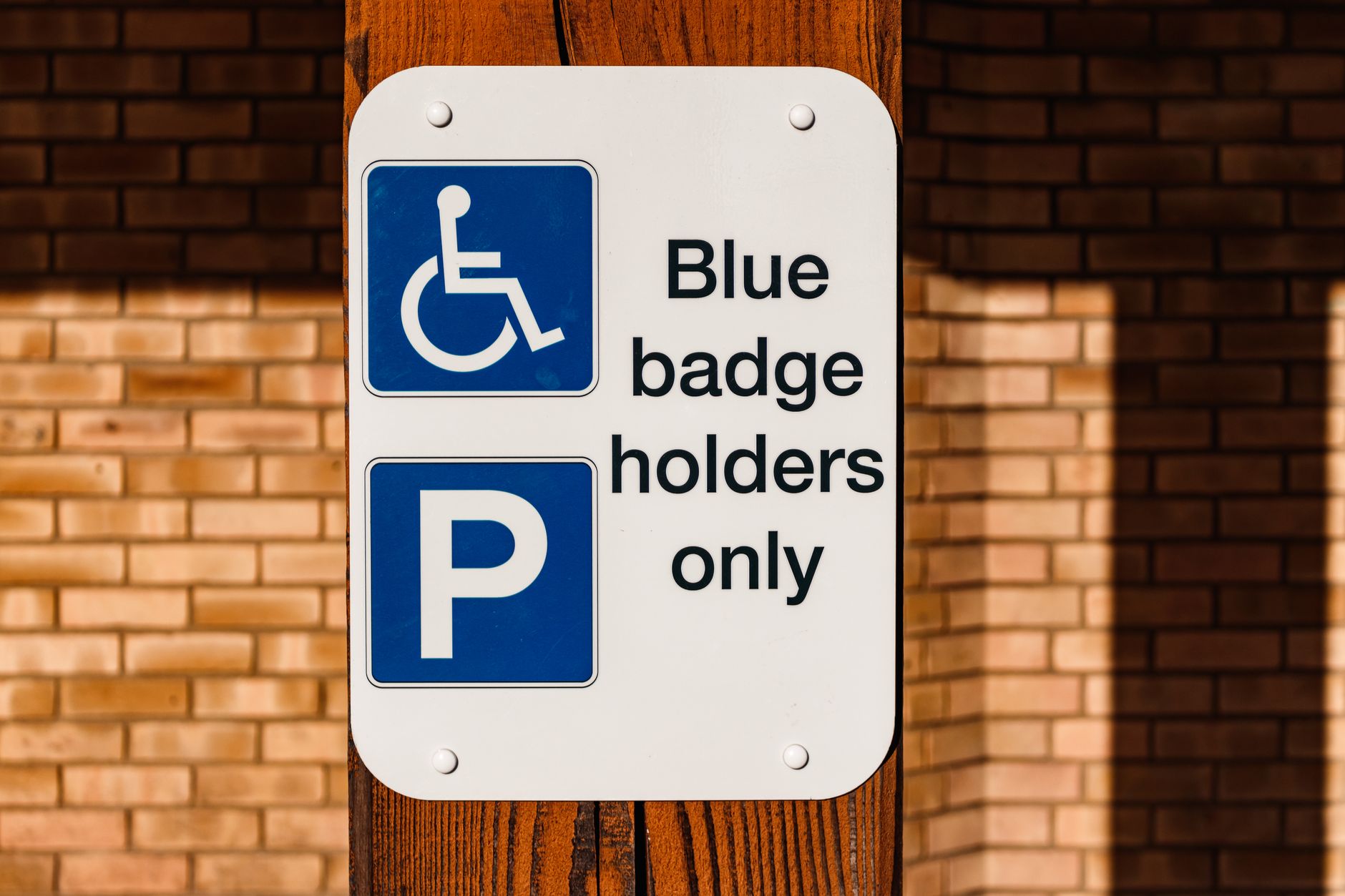
Blue Badge Application Guide UK: Eligibility, Costs and How to Apply
A blue badge application guide uk drivers and passengers can actually act on has to start with one fact most people miss: the badge is issued by your local council, not by a central national office, and the decision turns on evidence of how you move on an average day rather than on a diagnosis label alone. Around 2.6 million badges are in circulation in England, and roughly a third of first-time applications are refused, almost always because the form describes a good day instead of a typical one. The scheme is free in Wales, costs up to £10 in England and Northern Ireland, and up to £20 in Scotland, with badges lasting three years before renewal. This guide walks through eligibility, the paperwork, the assessment, realistic timescales, and the local community networks that quietly make the whole process less exhausting.
Who Qualifies for a Blue Badge Across the UK
Eligibility splits into two routes. You qualify automatically if you are registered severely sight impaired, receive the higher rate mobility component of Disability Living Allowance, score eight points or more in the Personal Independence Payment activity covering moving around, or hold a War Pensioners’ Mobility Supplement or a relevant Armed Forces Compensation Scheme award.
The discretionary route is where most applications live. Here the council weighs whether you cannot walk, face considerable difficulty walking, or would be at risk near moving vehicles. Children under three who need bulky medical equipment such as ventilators, oxygen cylinders or suction machines transported with them also qualify under a separate provision.
Evidence quality decides discretionary cases. A consultant letter that states a measured walking distance of, say, forty metres before rest carries far more weight than a repeat prescription list. Occupational therapy reports, falls-clinic notes and physiotherapy discharge summaries are all accepted, and councils rarely chase them on your behalf.
Non-Visible Conditions and Hidden Disabilities
Criteria across England, Scotland and Wales now explicitly cover non-visible conditions, including autism, dementia, severe anxiety and cognitive impairment, where journeys cause overwhelming distress or genuine danger. Describe specific incidents: bolting into traffic in a supermarket car park, or refusing to leave the vehicle for twenty minutes. Concrete behavioural examples outperform general statements about difficulty coping.
Fees, Paperwork and How Long Decisions Really Take
Costs differ by nation and are capped by legislation, so no council may charge above the stated ceiling. Most authorities accept card payment online at the point of submission, and a small number waive the fee entirely for applicants on certain income-related benefits, which is worth asking about before you pay.
| Nation | Maximum fee | Validity | Typical decision time |
|---|---|---|---|
| England | £10 | 3 years | 6 to 12 weeks |
| Scotland | £20 | 3 years | 6 to 10 weeks |
| Wales | Free | 3 years | 6 to 12 weeks |
| Northern Ireland | £10 | 3 years | 8 to 12 weeks |
| Replacement badge | £10 (typical) | Remaining term | 2 to 4 weeks |
Assemble four things before you open the form: a passport-style digital photograph on a plain background, proof of address dated within the last twelve months, proof of identity such as a passport or birth certificate, and your National Insurance number. Missing photographs are the single most common cause of an application stalling.
Councils quote eight weeks as standard, but demand peaks after benefit reassessment waves and can stretch decisions to twelve. If a mobility assessment is requested, add three to six weeks. Apply roughly twelve weeks before an existing badge expires, because expired badges cannot be used during any gap.
Step by Step: Applying Through Your Local Council
Start at the national application portal, which routes you to the correct authority once you enter a postcode. The form takes forty to sixty minutes. Save progress as you go, because sessions time out after inactivity and partially completed forms are not always recoverable on some council platforms.
Answer mobility questions using your worst realistic day, not your best. Where a box asks how far you can walk, give a measured figure and a landmark: thirty metres, roughly the length of two parked cars plus a driveway. Note rest stops, breathlessness, pain scores and whether you use a stick, frame or wheelchair.
Upload evidence as clear PDFs or photographs under 5MB each, naming files plainly. The evidence-led logic of this blue badge application guide uk stage will feel familiar to anyone who has navigated the uk food bank referral process, where a third-party professional statement moves an application forward far faster than self-declaration alone.
If You Are Asked for an Independent Mobility Assessment
Some councils commission an independent assessment with an occupational therapist or physiotherapist. Expect a twenty to thirty minute appointment including a timed walk. Wear your usual footwear, bring your normal walking aid, and do not push through pain to appear capable, because the assessor records observed function, not effort or determination.
Using, Renewing and Challenging a Refusal
The badge belongs to the person, not the vehicle, and must only be used when that person is travelling. Display it clock-side up, showing the expiry date and serial number. In most of England you may park free on single and double yellow lines for up to three hours, provided there is no loading ban.
Private car parks, including supermarkets and hospitals, set their own terms, so check signage rather than assuming exemption. Misuse carries fines of up to £1,000 plus badge confiscation, and councils run active enforcement teams. Lending your badge to a relative for a quick errand is the offence most frequently prosecuted.
Renewal is not automatic; you reapply with fresh evidence roughly three months before expiry. If refused, request the written reasons, then submit a review within twenty-eight days with new evidence. Where access problems are structural, such as dropped kerbs or bay shortages, raising the issue during public participation under parish council meeting rules uk can trigger a highways referral.
Community Networks That Make Life Easier for Badge Holders
Local groups fill gaps the scheme cannot. Many badge holders both receive and give support: if you are wondering how to volunteer at food bank sessions with limited mobility, most warehouses need seated roles such as date-checking, phone triage and stock recording, which are genuinely accessible and consistently under-filled.
Food networks are worth mapping near you. Understanding community fridge how it works matters practically: surplus stock from supermarkets and bakeries is placed in an open-access chilled unit, usually in a church hall or library, with no referral, no means test and no queue-shaming, though collection windows are often just two hours.
Village events are another route in. Organisers planning how to run a village fete should budget for accessible parking bays near the entrance, firm matting over grass, and a quiet rest tent. Ten reserved bays on a hardstanding surface transform attendance figures for disabled residents more than any additional attraction does.
- Starting a community garden uk projects with raised beds at 75cm height allows wheelchair and seated gardening without bending.
- Village hall hire cost uk figures typically run £8 to £25 per hour, with many trustees discounting rates for disability support groups.
- Guidance on how to set up a charity via the Charity Commission requires a minimum £5,000 income threshold for registration in England and Wales.
- Lists of the best charity shops in london increasingly flag step-free access and wide aisles, which vary enormously between branches.
- Donating clothes to charity uk shops works best when items are seasonal, clean and bagged by type, raising resale value considerably.
- Learning how to become a school governor takes one application and a DBS check, and most meetings now run hybrid.
- Advice on neighbourhood watch scheme how to start begins with six households, a coordinator and a police liaison contact.
How long does a blue badge application take from start to finish?
Plan for eight to twelve weeks from submission to badge arriving in the post. The online form itself takes forty to sixty minutes if your documents are ready. Councils then carry out an initial eligibility check within about ten working days, which is when applications missing a photograph or proof of address are paused. Automatic qualification cases move fastest, often decided in four to six weeks because the benefit award is verified electronically. Discretionary cases take longer, and if an independent mobility assessment is commissioned you should add another three to six weeks for scheduling and reporting. Printing and posting the badge adds a further seven to ten days after approval.
Is the blue badge application guide uk process identical in Scotland, Wales and Northern Ireland?
The core principles match, but the details diverge. Scotland charges up to £20 and administers applications through a shared national system, while Wales issues badges free of charge and Northern Ireland runs its scheme through the Department for Infrastructure rather than a local council. Eligibility criteria for non-visible conditions are broadly aligned across England, Scotland and Wales, though the exact wording and assessment thresholds differ. Parking concessions also vary: Scotland has no equivalent of certain English exemptions, and central London boroughs including Westminster, Kensington and Chelsea, and the City of London operate separate rules where a standard badge does not grant free on-street parking.
What should I do if my blue badge application is refused?
Request the written decision letter first, because it states which criterion failed and that determines your next move. You normally have twenty-eight days to ask for a review, and reviews succeed when they add something new rather than restating the original case. Strong additions include a consultant letter specifying measured walking distance, an occupational therapy assessment, a falls-clinic record, or a written statement from a support worker describing specific incidents. If the refusal concerned a non-visible condition, supply dated behavioural examples instead of general descriptions. Should the review fail, you can reapply at any point if your condition changes, and complaints about procedure go to the Local Government and Social Care Ombudsman.
