
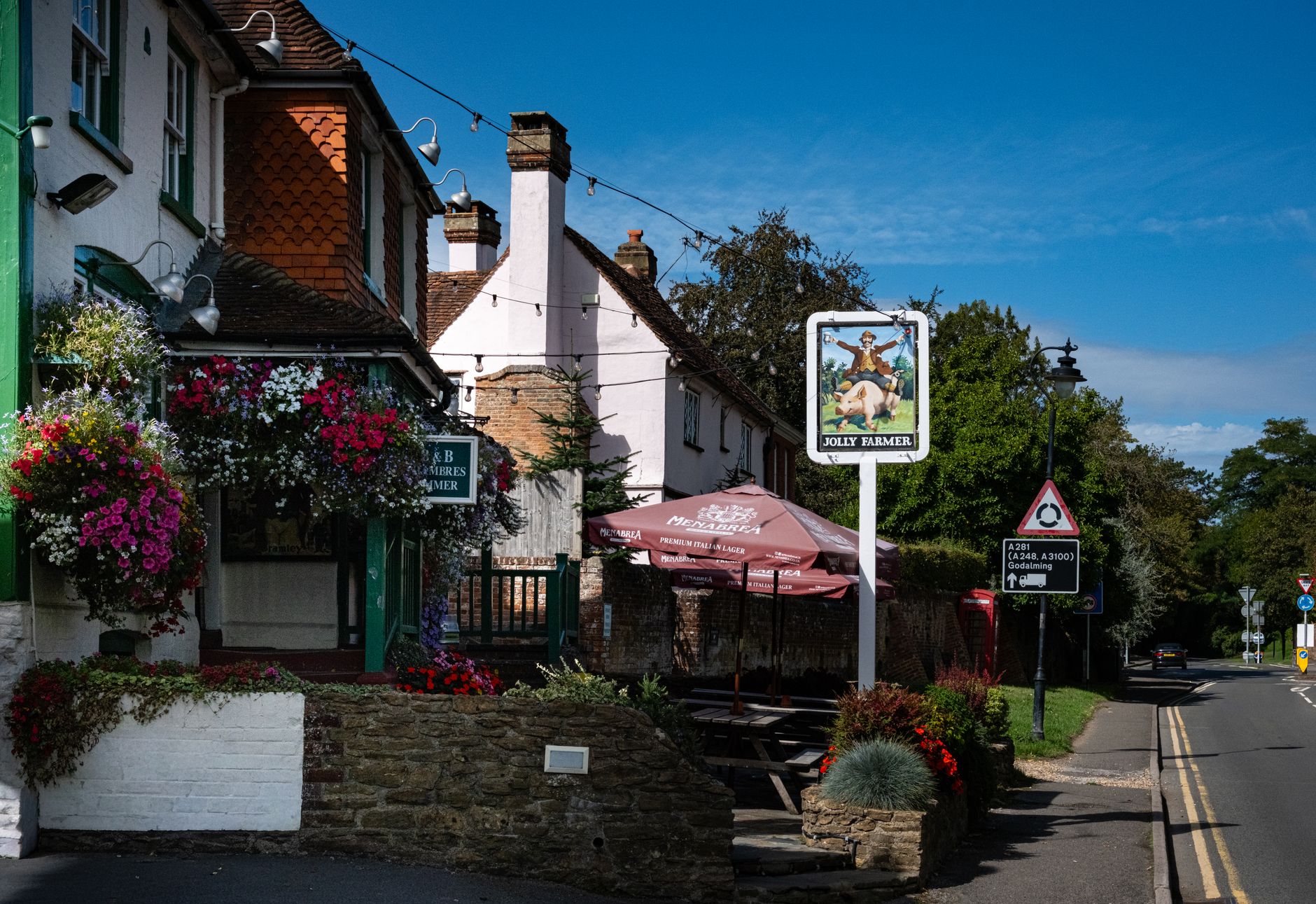
The Community Pub Buyout Scheme: How Villages Buy Back Their Local
A community pub buyout scheme turns a closing local into an asset owned by the people who drink in it, funded through small share purchases rather than a single wealthy buyer. Across rural England, Wales and Scotland, a community pub buyout scheme typically raises between £150,000 and £600,000 from 200 to 900 shareholders, then adds grant funding and a modest mortgage to complete the purchase. The model borrows heavily from community energy and village shop projects: one member, one vote, regardless of whether someone invested £250 or £20,000. What follows is a practical breakdown of the money, the legal structures, the volunteer effort and the trading realities involved, drawn from schemes that completed and a few that stalled. Expect eighteen months of committee meetings, a valuation argument with the current owner, and a launch night that repays every hour of it.
What the process actually involves from day one
The mechanics are less exotic than they sound. A steering group of six to ten residents forms, commissions a valuation, registers a legal body, then launches a share offer with a fixed target and deadline. If the target is missed, pledges are refunded in full and the group either relaunches or walks away.
Timing usually starts with an Asset of Community Value listing. Registering the pub with the district council triggers a six-week window to express interest and a six-month moratorium on sale, which buys a group the breathing space to raise money. Listings are free to submit and last five years.
Groups that succeed treat the moratorium as a hard deadline rather than a comfort blanket. Six months disappears fast once you factor in surveys, a building condition report costing £900 to £1,800, solicitor engagement, and the four to six weeks a share offer needs to gather momentum before closing.
Costing the purchase: shares, grants and realistic budgets
Valuations for village freehouses commonly land between £250,000 and £550,000, with fit-out, stock and working capital adding £40,000 to £90,000 on top. A community pub buyout scheme that raises only the purchase price and nothing else opens with empty cellars and no cushion for the first slow February.
| Budget line | Typical range | Notes |
|---|---|---|
| Freehold purchase | £250,000 – £550,000 | Depends on trade history and land |
| Survey and legal fees | £4,000 – £9,000 | Payable before completion |
| Refurbishment | £25,000 – £120,000 | Kitchen and cellar dominate |
| Opening stock and float | £8,000 – £15,000 | Cellar, spirits, till float |
| Working capital reserve | £20,000 – £40,000 | Covers the first two quiet quarters |
Grant support has historically come from national community ownership funding, local authority regeneration pots and rural development schemes, often matched pound for pound against community shares. Match funding is the reason share targets matter: raising £180,000 locally can unlock a comparable award, effectively doubling what the village achieves on its own.
Anyone who has checked village hall hire cost UK listings knows the going rate sits at £10 to £25 an hour, so a hall committee rarely turns over more than £8,000 a year. A pub purchase is a different order of commitment, closer to a small housing project than a fundraiser.
Setting the share price and minimum stake
Most offers price shares at £1 and set a minimum stake of £250, with a maximum of around £25,000 to stop any single investor dominating the register. Withdrawal is usually blocked for three to five years, then permitted at the board’s discretion. Interest, when paid at all, tends to run at 1 to 3 percent.
Choosing a legal structure and registering it properly
Community benefit societies registered with the Financial Conduct Authority dominate this space, because they allow withdrawable share capital that a company limited by guarantee cannot offer. Registration costs between £40 and £950 depending on whether you adopt model rules from a sponsoring body or draft your own from scratch.
Committees often ask how to set up a charity instead, assuming charitable status unlocks better funding. For a trading pub it rarely fits: running a bar is not a charitable purpose, and the Charity Commission expects clear public benefit. A trading subsidiary can work, but the extra accounting rarely pays for itself.
Expect to present at your parish council early. Parish council meeting rules UK require agendas published three clear days ahead and public participation slots, so book a slot rather than turning up hoping to speak. A supportive minute carries weight with funders assessing whether the village genuinely backs the plan.
Building the volunteer base behind the bid
The people who make these bids work are already visible locally. Whoever researched neighbourhood watch scheme how to start guidance, or worked out how to become a school governor and sat through three years of budget papers, brings exactly the committee stamina a buyout demands. Recruit from those pools first.
Skills transfer more than people expect. Someone who has looked into how to volunteer at food bank sessions understands rota management, safeguarding checks and stock rotation. Anyone familiar with the UK food bank referral process has dealt with agencies, paperwork and confidentiality, all of which surface again when you handle shareholder data and grant reporting.
Fundraising events keep momentum alive between milestones. Groups that know how to run a village fete can clear £2,000 to £4,000 in an afternoon from tombola, bar and pitch fees, and the same weekend doubles as market research on whether the village will actually turn out for its pub.
Recruiting a committee that lasts
Split responsibility early rather than letting two people carry everything. A workable committee covers five distinct jobs, and each needs a named deputy, because illness, work relocation and burnout will hit at least one post during an eighteen-month campaign.
- Chair – runs meetings, fronts public events, handles the vendor relationship
- Treasurer – share register, cash flow forecast, grant claims and reporting
- Secretary – FCA filings, minutes, member communications and the annual meeting
- Share offer lead – drafts the document, answers investor questions, tracks pledges
- Works lead – surveys, contractors, licensing and the refurbishment schedule
Trading, community use and life after completion
Completion is the midpoint, not the finish. A community-owned pub still needs a tenant or a managed operation, and most schemes appoint a tenant on a five-year lease at £12,000 to £22,000 a year, keeping the society as landlord and freeing volunteers from daily rota duty.
Diversification is where a community pub buyout scheme earns its keep. A post office counter, a weekly coffee morning and a shared food point all broaden the customer base. Regulars ask about the community fridge how it works, and the answer is simple: surplus stock redistributed free, with daily temperature checks and a logbook.
Fit-out budgets stretch further with second-hand sourcing: even the best charity shops in London price solid oak tables at £60 to £150, a fraction of retail. Pairing a collection point for donating clothes to charity UK schemes with a Saturday drop-off draws footfall, and residents starting a community garden UK project can supply herbs to the kitchen.
Governance keeps the doors open once novelty fades. Annual general meetings, a published set of accounts and a members newsletter three or four times a year sustain the sense of ownership that drove the fundraising. Societies that stop communicating see volunteer hours collapse within two years, whatever the takings look like.
How do I start a community pub buyout scheme in my village?
Start by testing appetite rather than drafting documents. Hold an open meeting, count the room, and ask for written pledges with no money attached. Fifty households pledging an average of £600 signals a viable base. Next, list the pub as an Asset of Community Value with your district council, which is free and triggers the moratorium if the owner tries to sell. Then form a steering group of six to ten people, adopt model rules for a community benefit society, commission an independent valuation, and build a three-year trading forecast before you launch any share offer. Order matters: evidence first, structure second, money third.
Is investing in a community-owned pub a safe use of savings?
Treat it as a donation with a chance of return, not an investment. Community shares are not covered by the Financial Services Compensation Scheme, cannot usually be sold on to another person, and are withdrawable only at the board’s discretion after a lock-in of three to five years. Interest, where a society pays it, typically runs at 1 to 3 percent and is suspended in loss-making years. Set your stake at a level you would be comfortable losing entirely. The upside is not financial: it is a pub that stays open, a building saved from conversion to housing, and a vote in how both are run.
What happens if the share offer misses its target?
Nothing is lost, because well-run offers hold pledges in a separate client account until the target is confirmed. If the deadline passes short, every pledge is returned in full, usually within fourteen days, and the society covers only its sunk costs on valuation, legal advice and printing, commonly £4,000 to £9,000. Many groups relaunch successfully within a year after revising the target downward, securing a conditional grant, or renegotiating the price once the owner sees no other buyer emerging. Others convert the pledge list into a supporter base for a leasehold arrangement, which needs far less capital and still keeps the doors open.
