
Community Pub Share Offer UK: How to Buy and Run Your Local
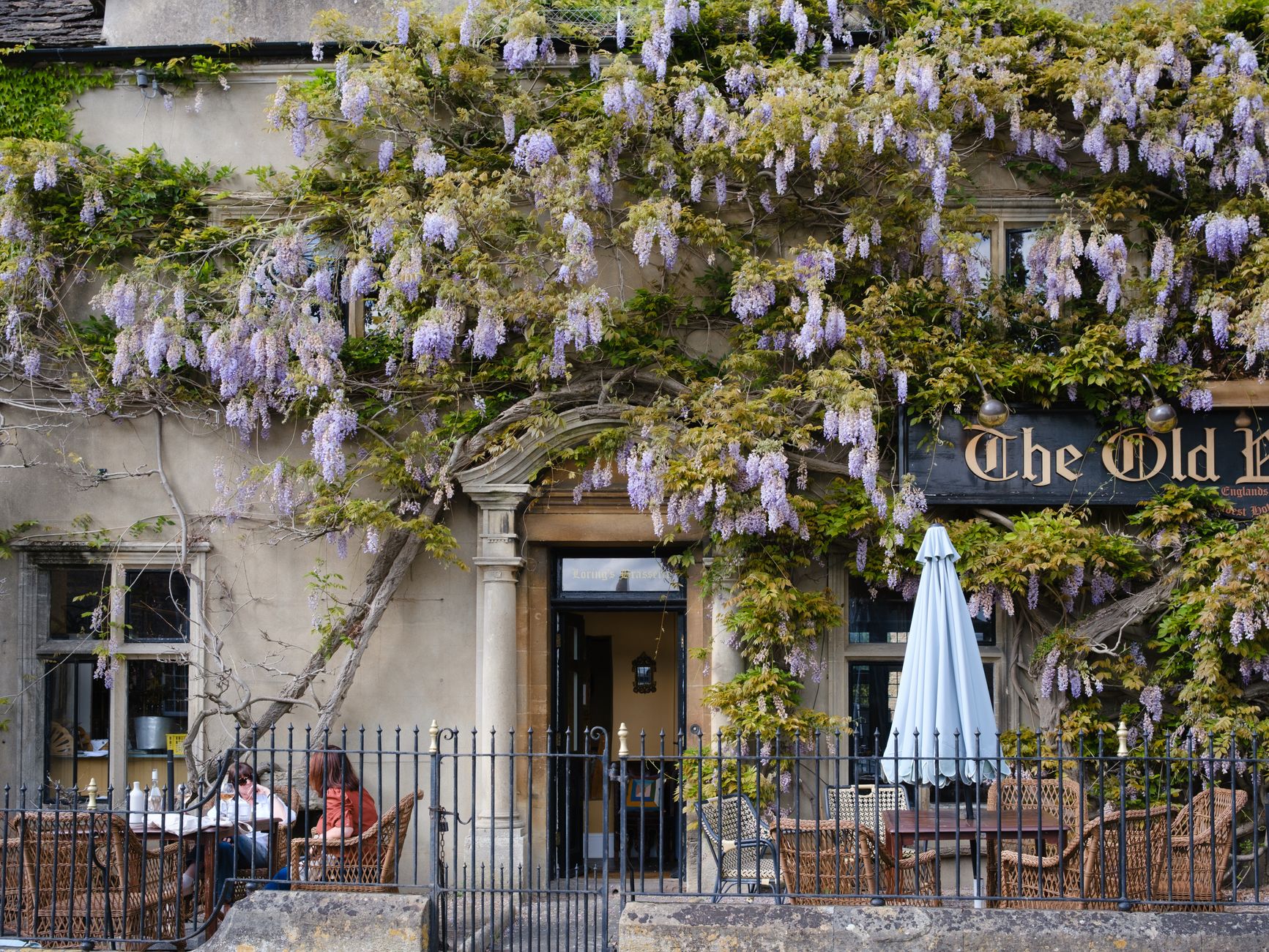
A community pub share offer UK villages use to rescue a closing local is not a whip-round in the snug — it is a regulated share issue by a community benefit society, and the model has already saved hundreds of pubs across England, Wales and Scotland. A typical community pub share offer UK group prices shares at £1, sets a £250 minimum subscription and caps any single holding well below the legal ceiling, and every member gets one vote no matter how many shares they hold. Targets usually land between £250,000 and £600,000 depending on freehold value, and offers commonly run for eight to twelve weeks. This guide covers valuation, share structure, tax relief, governance, grant stacking and what actually happens behind the bar on day one. It also explains how to hold momentum once the paperwork is signed.
Why Rural Pubs Close and Communities Step In
The economics are brutal. A tenanted village pub turning over £180,000 a year can carry rent of £30,000, wet-led margins under 55% and an energy contract that doubles on renewal. When the freehold is worth more as two cottages, a private landlord sells, and the last public room in the parish quietly disappears.
Community ownership changes the arithmetic because the buying group is not chasing a commercial return. Members accept 0% to 3% interest, so the business only needs to cover costs, staff wages and a maintenance fund. That single difference converts a site a pubco calls unviable into one that trades comfortably on £2,500 a week.
Listing the Pub as an Asset of Community Value
The first defensive move costs nothing. Twenty-one local electors can nominate the pub as an Asset of Community Value, which triggers a six-month moratorium once the owner gives notice of sale. Groups use that window to survey the building, agree a valuation, incorporate and draft the prospectus rather than scrambling after the board goes up.
Momentum matters more than paperwork at this stage. Steering groups that hold a packed public meeting within three weeks of listing consistently raise more than those that spend six months in committee. Bring a rough business plan, a headline target and a pledge form, then ask people to write a real number on the night.
How a Community Pub Share Offer UK Actually Works
A community benefit society registers with the Financial Conduct Authority under the Co-operative and Community Benefit Societies Act, then issues withdrawable share capital. That structure exempts the offer from most financial promotion rules, so a volunteer committee can publish a prospectus without an authorised adviser signing it off. Legal and registration fees typically run £3,000 to £6,000.
Shares are non-transferable and never rise in value. You cannot sell them to a neighbour or watch them grow; you can only ask the board to withdraw them at face value, usually after a three-year lock-in and subject to cash reserves. This is patient capital with a social return, not a portfolio holding.
| Element | Typical range | Notes |
|---|---|---|
| Share price | £1 per share | Fixed nominal value, no capital growth |
| Minimum subscription | £250 to £500 | Concession tier often £100 |
| Maximum holding | £20,000 to £100,000 | Statutory cap applies per member |
| Offer window | 8 to 12 weeks | Usually extendable once |
| Interest paid | 0% to 3% a year | Board discretion, paid from surplus |
Interest, Withdrawal and Tax Relief
Most societies qualify for Seed Enterprise Investment Scheme or Enterprise Investment Scheme relief, cutting the effective cost of a £5,000 stake to £3,500 or even £2,500 for a member with sufficient tax liability. Securing advance assurance from HMRC before launch is standard practice and lifts average subscription sizes noticeably.
Set interest expectations low and put them in writing. A board that promises 3% and pays nothing in year two loses trust faster than one that promises nothing and declares a surprise 2% after a strong summer. Publish the reserves policy, the withdrawal queue and the quorum rules inside the prospectus itself.
Raising the Money Beyond the Share Offer
Share capital rarely covers everything. A £420,000 purchase with £80,000 of refurbishment usually blends £300,000 of community shares, a £100,000 loan and £100,000 of grant and match funding. That is the realistic ceiling a community pub share offer UK committee should model before it names a public target figure.
Local fundraising builds the mandate that unlocks those grants. Learning how to run a village fete properly — pitch fees at £25 a stall, a beer tent under a temporary event notice, arena acts booked six months ahead — can clear £4,000 in an afternoon and put 600 names on your mailing list.
Keep campaign overheads honest. The village hall hire cost UK committees charge sits around £8 to £25 an hour, so a weekly Tuesday planning slot for a full quarter costs under £300. Pop-up trading nights, quiz leagues and a second-hand book stall recycle goodwill into deposit money without touching the share fund.
Pre-loved sales work harder than raffles. The same rules that govern donating clothes to charity UK shops apply to your car park event: sort by season, bag by size, and Gift Aid every item where the donor signs up, which adds 25% to the net proceeds on each sale.
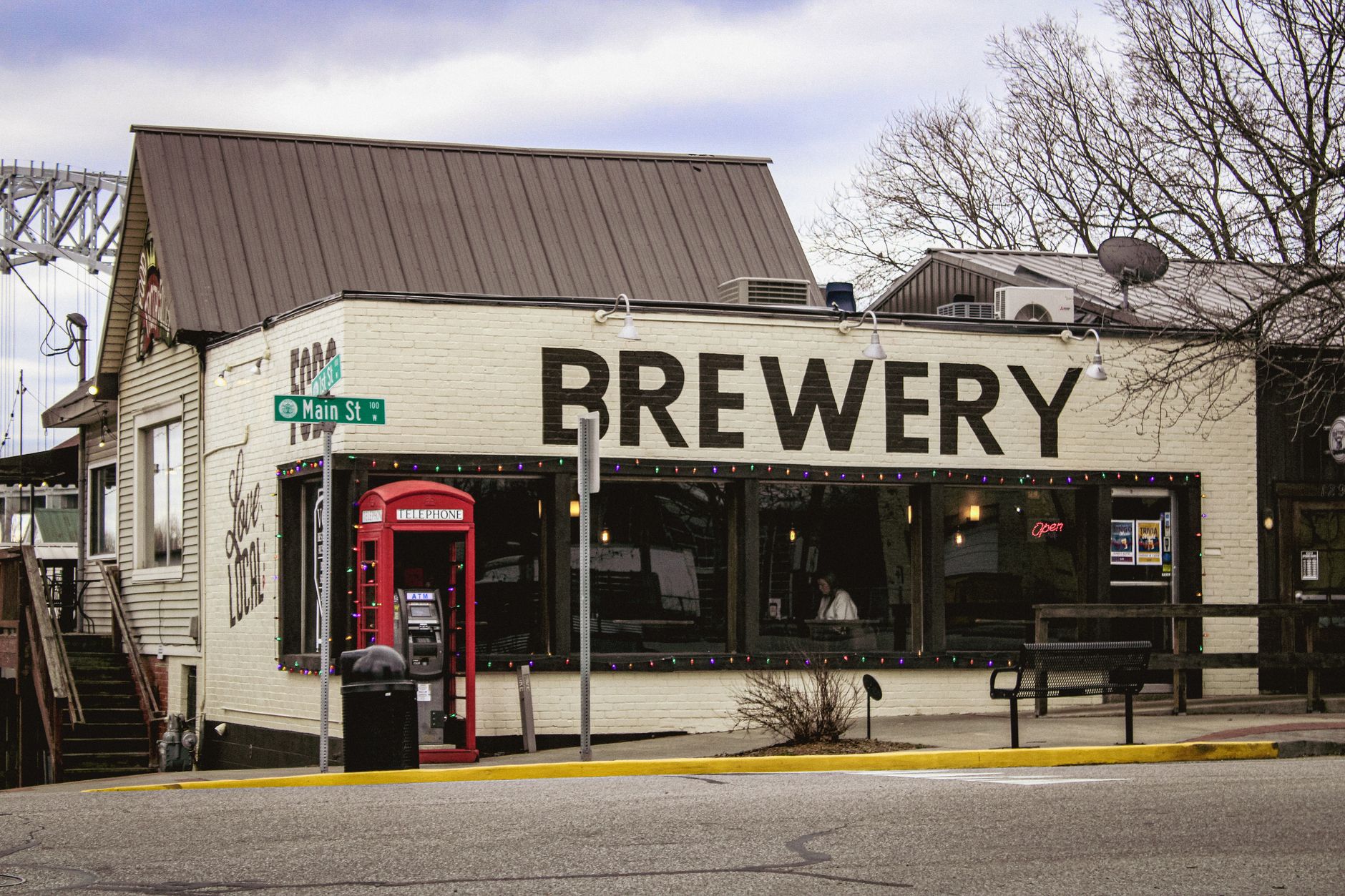
Copy the pricing discipline of the best charity shops in London — colour-coded rails, a firm £4 entry price point, a boutique corner for labels. Applied across a two-day sale, that merchandising routinely outperforms three months of tombola tickets and teaches your volunteers how to handle cash and card properly.
Governance, Legal Structure and Keeping the Committee Sane
Choose the legal wrapper before the first pound arrives. A community benefit society suits a trading asset; anyone researching how to set up a charity for the same building finds that charitable status restricts trading and blocks share issues, which is why most groups keep the society and bolt on a separate charitable arm for heritage or youth work.
Recruit a board of seven to nine with genuine skills: a licensee, an accountant, a builder, a marketer. People who already understand parish council meeting rules UK residents rely on — declaring interests, publishing agendas three clear days ahead, managing public participation — adapt fastest to running properly minuted meetings under pressure.
Governance experience travels well. Someone who has worked out how to become a school governor brings exactly the right instincts: reading the finance pack before the meeting, challenging optimistic forecasts, and separating strategy from day-to-day operations. Borrow that discipline and your monthly board meeting finishes inside ninety minutes rather than three hours.
Running the Pub as a Genuine Community Hub
The pub survives on trade but earns its mandate on service. Strong societies open the building from 9am for a post office counter, a warm space, a job club and a parcel drop, then let evening wet sales carry the overheads. Daytime footfall reliably converts into evening covers within a season.
A surplus food scheme is the fastest win available. Understanding community fridge how it works matters in detail: a commercial unit in the porch, temperature logged twice daily, no raw meat or cooked rice, everything redistributed within 24 hours. Setup costs roughly £900 and can divert around three tonnes of food each year.
Pair the fridge with formal referral work rather than duplicating it. Anyone asking how to volunteer at food bank sessions can begin with a two-hour warehouse shift, while the UK food bank referral process runs through vouchers issued by GPs, schools, health visitors and Citizens Advice — knowing that saves awkward conversations across the bar.
Outdoor space should earn its keep too. Starting a community garden UK style — six raised beds, a shared tool store, a £15 annual plot fee — turns dead ground into produce for the kitchen. Residents asking how a neighbourhood watch scheme how to start actually begins get a better answer in person, so host the police liaison officer in the function room.
- Morning: post office counter, warm space, baby group, £2 filter coffee
- Midday: community fridge restock, lunch club, parcel collection point
- Afternoon: job club, homework space, garden volunteer session
- Evening: darts and quiz leagues, function room hire at £15 an hour
- Weekend: farmers market pitches, fete planning, live music twice monthly
How long does a community pub share offer UK take from first meeting to opening night?
Plan for twelve to eighteen months end to end. Listing the pub as an Asset of Community Value and forming a steering group takes six to eight weeks. Registering the society, drafting the prospectus and securing HMRC advance assurance adds another three months. The offer window itself runs eight to twelve weeks, followed by conveyancing at six to ten weeks and refurbishment at eight to twenty weeks depending on the state of the roof, kitchen and cellar. Groups that compress this below a year usually inherit a trading pub with a working kitchen. Those buying a shell that has been closed for two years should budget closer to two years and an extra £60,000 for building services.
Is community pub ownership a safe place to put family savings?
Treat it as money you can afford to lose. Withdrawable shares are not covered by the Financial Services Compensation Scheme, cannot be traded, and are repaid only when the society holds spare cash and the board approves a withdrawal — typically after a three-year lock-in and often in an annual window with a capped total. If the pub fails, secured lenders and creditors are paid before members, and share capital may be written down to a fraction of its nominal value. Against that, downside is capped at your subscription, tax relief can cut the real exposure by 30% to 50%, and the practical return is a functioning pub within walking distance. Most members subscribe £250 to £2,000, which is the sensible bracket.
What happens if the share offer misses its fundraising target?
Well-drafted prospectuses set two figures: a minimum viable target and an aspirational one. Fall short of the minimum and all subscriptions are returned in full, usually within 28 days, because funds sit in a designated client or society account and are not drawn down until the threshold is met. Land between the two figures and the board typically proceeds with a reduced scope — buy the freehold, defer the kitchen extension, phase the letting rooms. Many groups then extend the offer once by four weeks, approach a social lender for bridging finance at 5% to 7%, or negotiate a staged purchase with the vendor. Publishing a live total and a clear deadline reliably produces a final-fortnight surge of 25% to 40%.
