
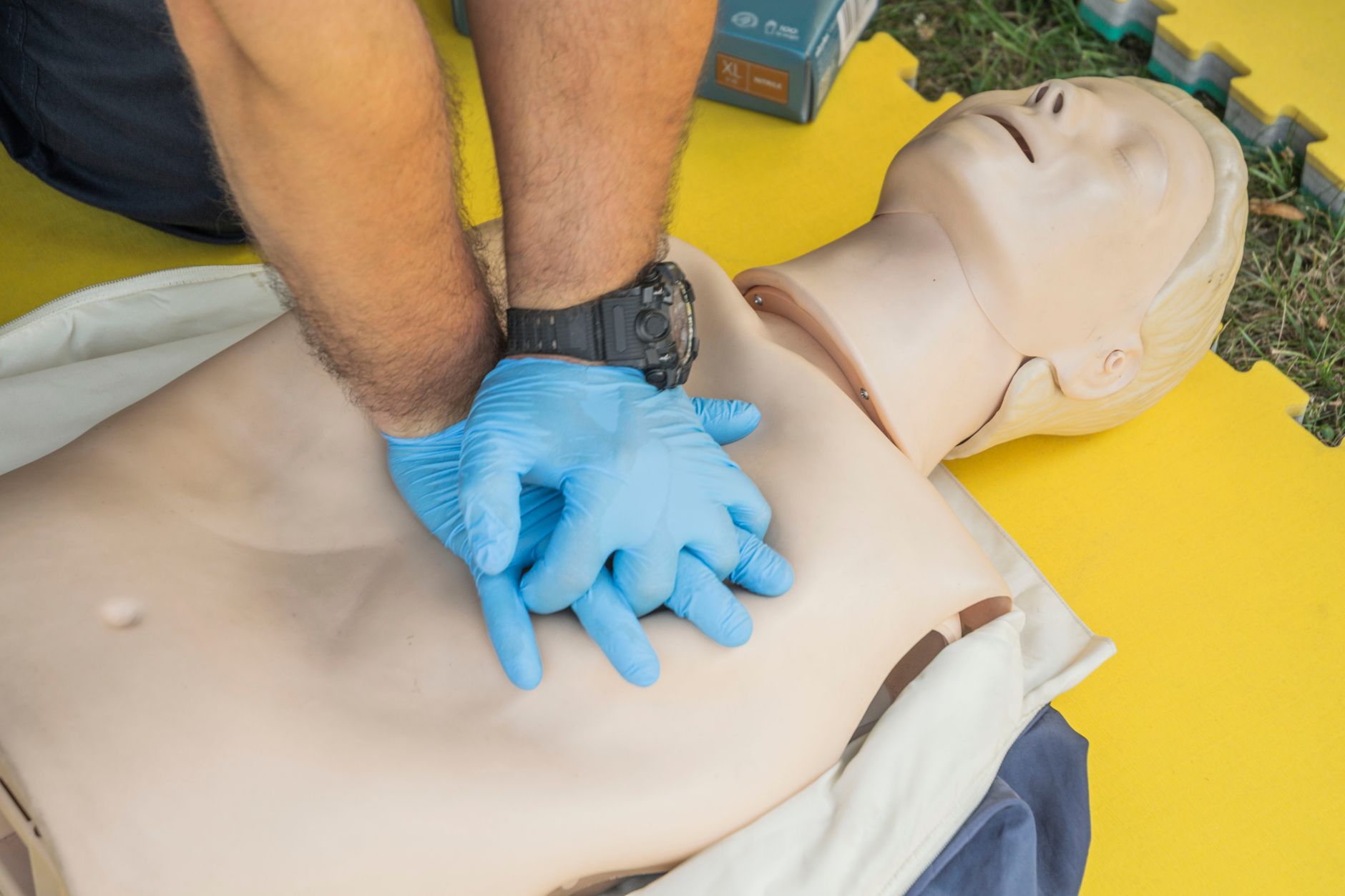
Community First Aid Training Funding: How UK Groups Pay for Lifesaving Skills
Community first aid training funding is the quiet difference between a village that can respond to a cardiac arrest in ninety seconds and one that waits eight minutes for an ambulance. Winning community first aid training funding is rarely about writing a beautiful application; it is about matching a small, fully costed project to a funder whose stated priorities already point at health resilience, isolation or volunteering. Most grassroots groups underestimate how many pots exist and overestimate how much paperwork each one demands. A residents association, a scout group, a bowls club or an allotment committee can all hold a grant, and none of them needs charitable registration to start. This guide sets out what the money covers, which funders award it, what a credible budget looks like in pounds, and how to turn one training day into a decade of local capability.
What Community First Aid Training Funding Actually Covers
Grant panels rarely pay for a vague ambition to improve safety. Community first aid training funding buys named, priced items: accredited course places, a trainer day rate, room hire, consumables, and occasionally a defibrillator cabinet. Write the application as a shopping list with a clear purpose behind it, and an assessor can approve the whole thing in one sitting.
Course fees, venue and kit
A regulated Emergency First Aid at Work day costs roughly £60 to £95 per learner through most providers, while the three-day First Aid at Work qualification runs £180 to £260. The village hall hire cost UK committees quote sits between £8 and £25 an hour, so a full Saturday rarely exceeds £150 once heating is included.
What funders will not pay for
Panels routinely refuse retrospective spending, alcohol, core staff salaries and anything resembling a reserve. They also dislike open-ended asks. A £1,400 bid for sixteen places, a trainer, hall hire and a wall-mounted trauma kit reads as credible; a line saying training budget £5,000 reads as a placeholder and gets deferred.
Where UK Grassroots Groups Find the Money
Money for these courses comes from four pools: lottery distributors, local authority ward budgets, corporate community schemes, and health-sector partnerships. Ambulance service charities and county air ambulances often part-fund sessions directly, and several will supply a volunteer trainer at no cost provided you guarantee the room, the date and a minimum number of learners.
Lottery, council and corporate routes
National Lottery Awards for All grants of £300 to £20,000 suit first-aid projects unusually well, and most supermarket community funds award £500 to £2,000 per round. The playbook behind starting a community garden UK funders back year after year is identical here: apply small, deliver cleanly, evidence the result, then return.
Parish and town councils
Parish councils can fund training directly and often hold underspent budgets by late autumn. The parish council meeting rules UK clerks work to require agendas published three clear days ahead, so submit a written request a fortnight early, attend in person, and bring a one-page budget. Awards of £250 to £1,500 are common.
Costing the Project Before You Write a Word
Assessors compare your cost per learner against their own benchmarks. Anything above roughly £120 a head for basic certification invites questions, so build the table before you draft the narrative. Quote two providers, note which is cheaper, and explain any premium such as evening delivery, rural travel or a paediatric add-on module.
| Item | Typical UK cost | Notes |
|---|---|---|
| Emergency First Aid at Work, per learner | £60 to £95 | One day, three-year certificate |
| Paediatric first aid, per learner | £75 to £110 | Twelve hours, needed for childcare volunteers |
| Hall or pavilion hire | £8 to £25 per hour | Weekend rates at the upper end |
| Trainer travel and materials | £40 to £120 per course | Manuals, face shields, wipes |
| Defibrillator plus heated cabinet | £900 to £1,800 | Usually funded as a separate bid |
A worked budget for sixteen volunteers
Sixteen places at £72, six hours of hall hire at £15, £60 of consumables and £45 of publicity totals £1,347. Request £1,200 and pledge the remaining £147 from local effort: a raffle, a bag-pack, a coffee morning. Match funding of ten to twenty per cent strengthens almost every application submitted.
Fundraising the shortfall
Volunteers who staff the best charity shops in London and the smallest market-town branches alike know donated stock converts to cash quickly. Searches for donating clothes to charity uk and how to run a village fete both climb every spring, which is exactly when a fete-funded first-aid course sells itself to neighbours.
The Governance Funders Expect to See
Before releasing money, funders check three documents: a written constitution, a bank account with two unrelated signatories, and a safeguarding policy. Groups that already understand how to set up a charity find this straightforward, but unincorporated associations can supply identical evidence without ever registering with the Charity Commission.
Constitution, trustees and safeguarding
Registration becomes compulsory in England and Wales above £5,000 annual income, and a charitable incorporated organisation costs nothing to register. Anyone who has explored how to become a school governor will recognise the rhythm immediately: declarations of interest, minuted decisions, and an annual report a stranger could follow without explanation.
Partnering with groups that already hold local trust
Food banks, warm hubs and community fridges make natural partners because they already reach the households funders care about. Someone asking how to volunteer at food bank sessions can be offered a training place the same week, and the UK food bank referral process supplies anonymised need data that strengthens your bid.
Turning One Course Into a Lasting Community Asset
A single day trains sixteen people; a plan keeps forty trained for a decade. Register any defibrillator with the ambulance service, log responders on a shared rota, and schedule refreshers every three years to match certificate expiry. Funders reward that continuity with repeat grants far more readily than one-off requests.
Keeping skills alive between refreshers
Low-cost habits keep certificates meaningful rather than decorative, and each one costs almost nothing beyond attention and a diary entry:
- Quarterly thirty-minute CPR practice bolted onto an existing meeting, at no venue cost
- A laminated casualty card in every hall, pavilion and allotment shed
- Annual defibrillator pad and battery checks, budgeted at £70 to £120
- A named responder rota shared with the parish clerk and the hall bookings secretary
- One trained volunteer rostered at every public event, from fetes to fireworks
Measuring impact for the next application
Record attendance, certificate numbers, incidents attended and one short quote per cohort. Questions such as neighbourhood watch scheme how to start and community fridge how it works land in the same village inbox, and proof that your responders already support those schemes converts a modest grant into an annual one.
Frequently Asked Questions
How do small groups apply for community first aid training funding without a track record?
Start with a micro-grant under £1,000, because most funders assess these on a light-touch form and a two-page budget rather than a full case for support. Name your provider, your venue, your date and your learner numbers before applying, since assessors treat confirmed logistics as evidence of competence. Ask a parish council or ward councillor first: their awards are decided locally, often within six weeks, and a successful £500 award becomes the track record you cite in every larger application afterwards. Photograph the session, collect three quotes from participants, and send a one-page report even when nobody requests one.
Is grant money available to groups that are not registered charities?
Yes, and this blocks far more applications through assumption than through actual policy. Most UK funders accept unincorporated community associations, constituted groups, parish councils, scout and guide units, sports clubs and residents associations. What they require is a governing document of roughly two pages setting out your purpose, membership and how decisions are made, plus a bank account in the group name with two signatories who are not related and do not share an address. Draft the constitution from a template, adopt it at a minuted meeting, and open the account before applying, because banks can take four to six weeks to complete checks on community accounts.
What does a first aid course genuinely cost per person in the UK?
Expect £60 to £95 per learner for a one-day Emergency First Aid at Work qualification delivered on your premises, dropping toward £45 a head when you fill twelve or more places on a single booking. Paediatric first aid costs £75 to £110 and takes twelve hours across two days. A three-day First Aid at Work certificate sits at £180 to £260 and is rarely necessary for volunteers. Add £8 to £25 an hour for venue hire, roughly £4 per learner for manuals and consumables, and £40 to £90 for trainer travel outside urban areas.
