
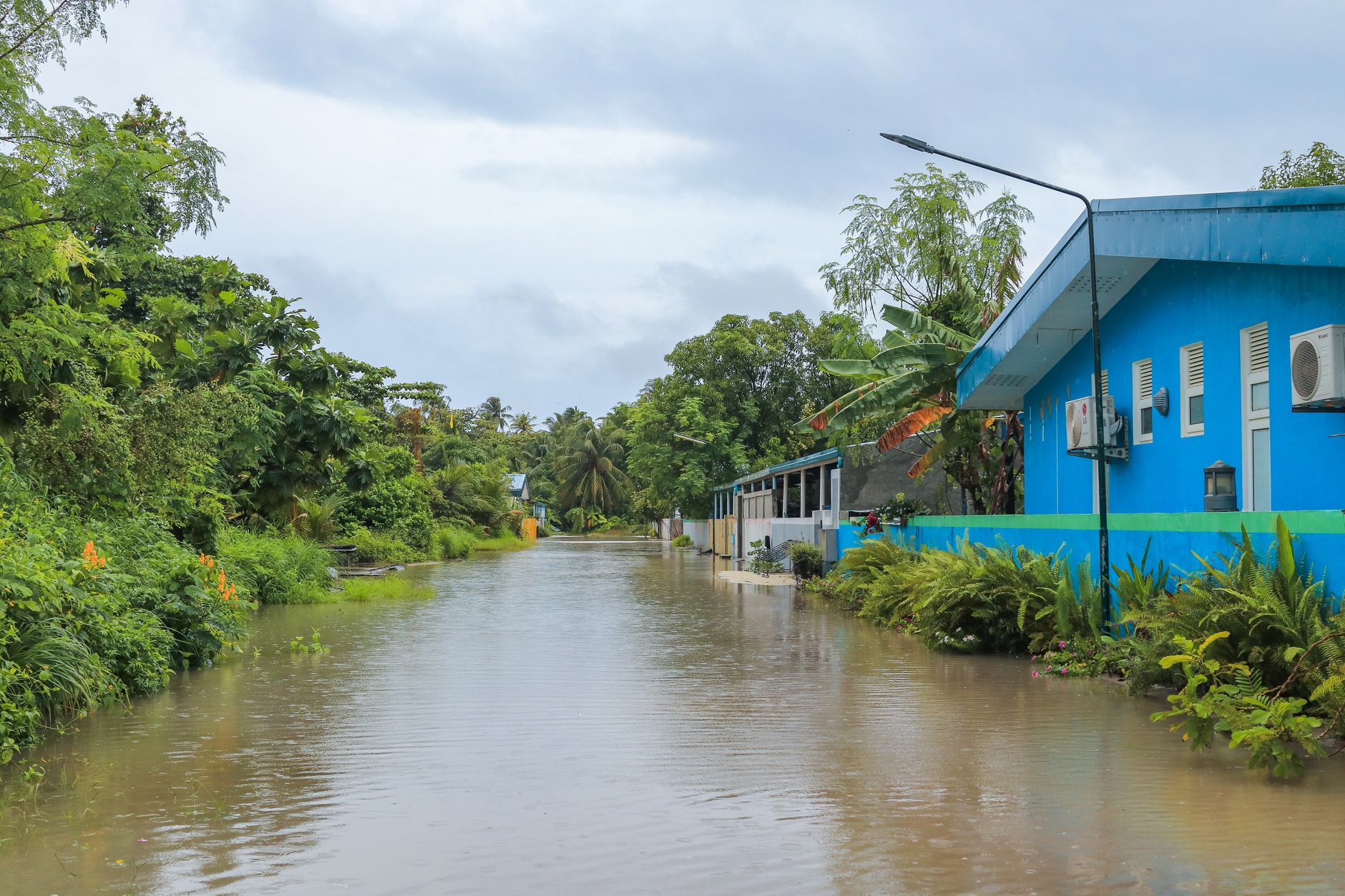
Ask ten people in a flood-risk village what a warden actually does and you will get ten different answers, which is why the flood warden role explained UK-style — plain English, no agency jargon — is one of the most requested briefings at parish level. A flood warden is a trained volunteer who links the Environment Agency, the lead local flood authority and roughly 60 to 150 households along a named watercourse. The post is unpaid, carries no enforcement power, and costs most volunteers 12 to 20 hours a year outside an actual event. What it does carry is influence. Wardens routinely shave 30 to 60 minutes off the time a street needs to move cars, lift stock off warehouse floors and get less mobile neighbours upstairs, and that half hour is often the difference between damp carpets and a six-month insurance claim.
What the warden role involves week to week
Outside an event the work is unglamorous: walking a defined patch after heavy rain, photographing blocked gullies and clogged trash screens, then reporting them to the highways team. Most wardens cover half a mile of watercourse and log four to six inspections a year, each taking under an hour in daylight.
When an alert lands, the job changes shape. Wardens confirm ground truth — is the water genuinely over the footbridge? — because telemetry lags reality by 20 to 40 minutes on small, flashy catchments. That single phone call has repeatedly triggered earlier pumping, earlier road closures and earlier door-knocking along at-risk streets.
Recovery is the phase people forget. For three to six weeks afterwards wardens point residents towards loss adjusters, help catalogue damage and keep a tally of homes still without heating. Damage registers assembled by wardens have supported successful bids for property flood resilience grants worth £5,000 to £6,000 per property.
The three phases of an event
Think of it as watch, warn and witness. Watch means monitoring gauges and rainfall radar once an alert is issued. Warn means working a contact cascade of 15 to 20 calls, prioritising households with mobility needs or ground-floor bedrooms. Witness means photographing depths and times, because that evidence drives future defence funding cases.
Training, kit and the genuine cost of volunteering
Training is short. Anyone wanting the flood warden role explained UK-wide should start here: a half-day induction covers the alert-warning-severe warning ladder, the difference between fluvial and surface water risk, and safe-working rules that forbid entering moving water deeper than 15 centimetres. Refreshers run every two years, usually free.
Kit is the bigger question. A warden can begin with £30 of basics, but a properly equipped patch — depth boards, signage, radios — costs £400 to £600 for a team of six. Parish precepts, community foundations and water company community funds all pay for this, typically in £250 to £2,000 awards.
Insurance matters more than volunteers expect. Wardens acting under a parish-adopted plan usually sit inside the council public liability policy, commonly £5 million to £10 million of cover. Freelance helpers with no written agreement do not, so get the role formally minuted before anyone pulls on a hi-vis jacket.
| Item | Typical cost | Who usually pays | Replace every |
|---|---|---|---|
| Hi-vis jacket, EN ISO 20471 | £12–£25 | Flood group | 3 years |
| Wellingtons or chest waders | £35–£90 | Volunteer | 4 years |
| Head torch, 300+ lumens | £15–£40 | Flood group | 3 years |
| Waterproof notebook and marker | £8–£14 | Volunteer | Annually |
| Depth gauge board on a bridge | £40–£120 | Parish council | 5 years |
| Handheld radio for poor-signal areas | £45–£150 | Grant funded | 6 years |
Where the warden sits in parish and community structures
Getting flood work onto the agenda means understanding the parish council meeting rules UK clerks work to: three clear days notice, a published agenda and public participation capped at a set period, often ten minutes. Wardens who submit a one-page written report before that deadline get decisions; those who speak off the cuff get noted.
The village hall is the default rest centre, and village hall hire cost UK-wide sits at roughly £8 to £25 an hour, with many committees waiving the fee for emergency use where a memorandum exists. Agree that waiver in writing during calm weather, not at two in the morning with water rising.
Warden schemes and neighbourhood watch overlap heavily. Anyone who has researched a neighbourhood watch scheme, how to start one and how to keep it alive, will recognise the pattern: a street coordinator, a messaging group of 30 to 60 households and a quarterly update. Running both from one contact list halves the admin burden.
Borrowing the village hall committee
The same committee that knows how to run a village fete already owns the skills a flood group needs: a marshal rota, a first aid point, urn logistics, cash handling and a wet-weather plan. Recruit the fete chair onto your group and you inherit a working operations manual rather than a blank sheet of paper.
Recruiting wardens: what other volunteer roles get right
Recruitment is the hard part. Groups that thrive copy food bank onboarding. Anyone asking how to volunteer at a food bank is given a named shift, a two-hour trial and a supervisor, never an open-ended commitment. Offer identical terms: one alert shift, shadowing an experienced warden, with no obligation afterwards.
Warden schemes also need a triage habit. The UK food bank referral process works because a professional — a health visitor, a school, a GP surgery — issues the voucher rather than leaving people to self-assess. Wardens should build the same referral links so vulnerable residents reach welfare teams before the water arrives.
Recovery leans on existing civic infrastructure. A community fridge, how it works being simple surplus redistribution from shops and growers, can feed displaced households within days. Donating clothes to charity UK-wide surges after an event, and the best charity shops in London and larger regional cities accept bulk stock if you ring the area manager first.
Sustaining people between floods is the same problem faced by anyone starting a community garden UK councils will lease land for: interest spikes, then fades within a season. Fix it with a visible calendar — two inspections, one tabletop exercise, one social evening — so the group has reasons to meet while the river behaves.
Formalising a flood group: constitution, funding and governance
Once a group holds equipment and grant money, structure stops being optional. Most register as an unincorporated association with a two-page constitution, a treasurer and a bank account. Groups turning over more than £5,000 a year should investigate how to set up a charity, or simply affiliate to the parish council and use its accounts.
Governance skills transfer neatly. The discipline behind how to become a school governor — declaring interests, reading papers before the meeting, holding officers to account against evidence — is exactly what stops a flood group collapsing into one enthusiast with a spreadsheet. Recruit at least one member who enjoys minutes more than waders.
Succession is the quiet killer of volunteer schemes. Write everything down: patch boundaries, contact trees, gauge locations, who holds the hall keys. A maintained written plan is the durable version of the flood warden role explained UK residents keep asking for, because it survives the volunteer who moves away and the clerk who retires.
How do you become a flood warden in the UK?
Start with the parish or town council clerk, who will know whether a scheme already exists and who holds the plan. If none does, contact the lead local flood authority at your county or unitary council and ask for the flood resilience or emergency planning officer. Expect a short conversation about your street, a half-day induction and a place on the contact cascade. The National Flood Forum can also connect you with an established group in your catchment. Most schemes aim for six to ten wardens per village so nobody is on call for every storm, and the realistic commitment is 12 to 20 hours a year.
Is a flood warden legally responsible if a warning is missed?
No. Wardens hold no statutory duty and no enforcement power, and the role transfers none of the legal obligations of the Environment Agency, the highways authority or the lead local flood authority onto a volunteer. Liability risk comes from actions rather than omissions: directing traffic into standing water, entering a fast-flowing channel, or telling a household to stay put. That is why schemes insist on a written role description, a firm no-entry rule for moving water above 15 centimetres, and cover under the parish council public liability policy. Get the appointment minuted, follow the agreed plan, and never improvise beyond it. A warden observes, reports and warns; the agencies decide and act.
What equipment does a flood warden actually need?
Less than most people assume. The core is a hi-vis jacket, a bright head torch, a charged phone with a power bank, waterproof boots and a laminated contact card listing the flood line, the clerk, the highways duty number and every vulnerable household on the patch. Add a waterproof notebook, because touchscreens fail in horizontal rain. Groups then invest in shared assets: depth boards fixed to bridges, road-closure signage stored by the parish, and two or three handsets where mobile coverage is patchy. Budget roughly £60 to £120 per warden plus £400 to £600 of shared equipment for a six-person team, most of it grant-fundable.
