
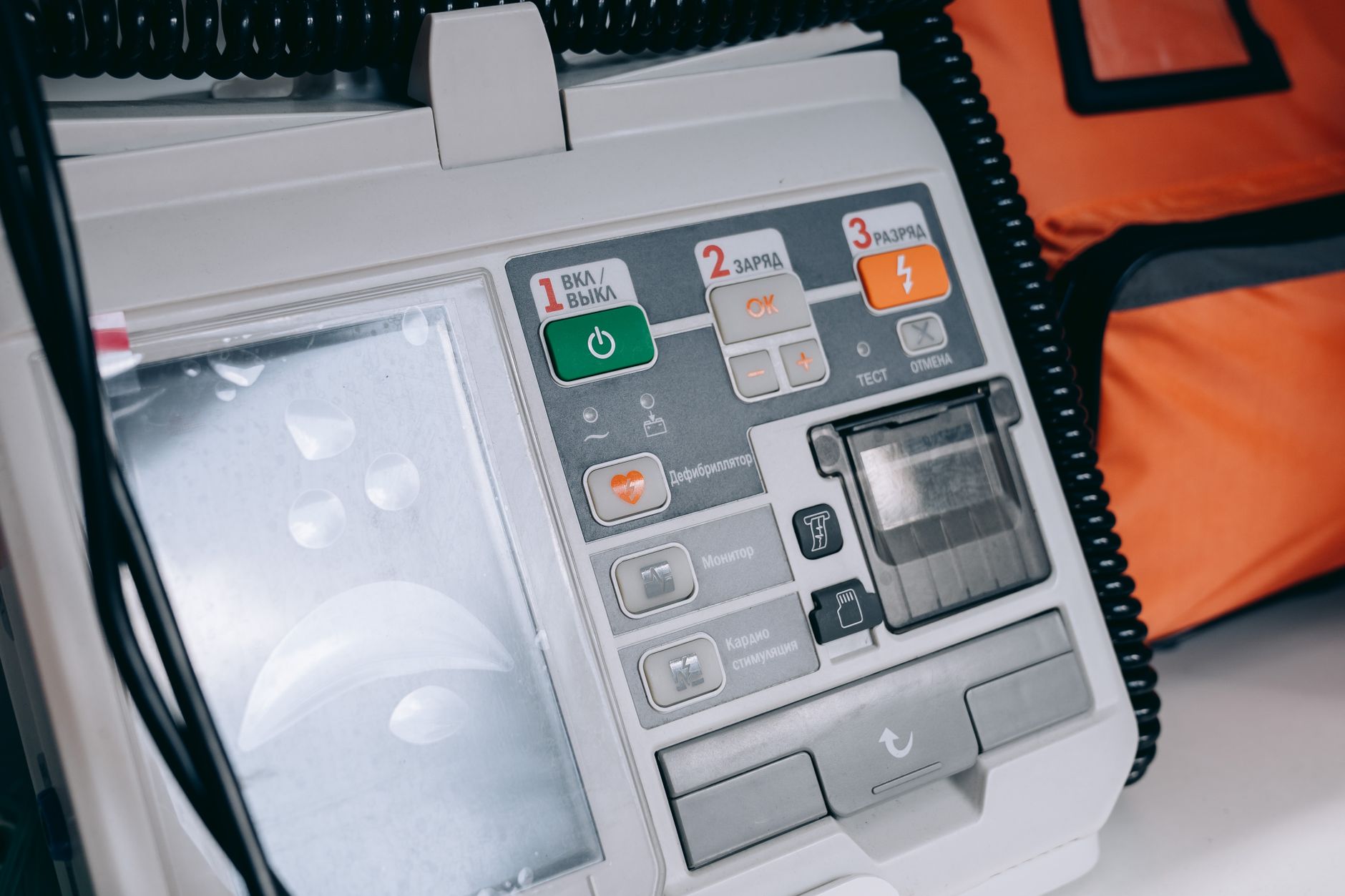
A successful defibrillator community grant application UK panels will fund starts with three unglamorous things: an accurate cost breakdown, a named guardian and proof that the site is genuinely accessible around the clock. Most groups approaching a defibrillator community grant application UK for the first time assume the money is the hard part, when the real filter is evidence. A cabinet-mounted AED package typically lands between £1,100 and £1,900 including a heated locked cabinet, a first set of adult pads and a signage kit, while the electrical connection and annual running costs add £150 to £400 more. Funders — from British Heart Foundation partnership schemes to parish precepts, National Lottery Awards for All and supermarket community pots — want to see that you have costed the whole lifecycle, not just the box. This guide walks through eligibility, evidence, budgets and what happens after the award letter arrives.
What a Defibrillator Community Grant Application UK Actually Funds
Most schemes fund capital items only. A semi-automatic AED such as the CU-SP1, Zoll AED 3 or Defibtech Lifeline VIEW costs £750 to £1,450 depending on warranty length, while a heated stainless-steel cabinet with a police-issued code lock adds £350 to £600. Together those two lines make up roughly 85% of a typical bid.
Panels also expect a revenue plan. Pads expire every two to four years at £45 to £90 a set, batteries at £120 to £220, and the cabinet heater draws around £20 of electricity a year. Applications that ignore these figures score badly, because assessors read the omission as a sign the group has not planned beyond installation day.
Some funds explicitly exclude installation labour, so read the criteria twice. A qualified electrician charges £120 to £300 for a fused spur from a nearby building, and landowner permission — usually a shop, pub, church or hall committee — must be confirmed in writing before the money is released rather than afterwards.
Choosing between semi-automatic and fully automatic units
Semi-automatic models, where the rescuer presses the shock button, dominate UK community sites because ambulance call handlers find them easier to coach over the phone. Fully automatic versions cost £60 to £150 more and remove one decision under pressure. Either satisfies funders provided the device carries UKCA or CE marking and an eight-year warranty.
Who Can Apply and How Your Group Should Be Constituted
Almost every funder requires a constituted group with its own bank account, two unrelated signatories and a governing document. If you are researching how to set up a charity, a defibrillator project rarely needs full Charity Commission registration; an unincorporated association using a model constitution is sufficient while annual income stays below the £5,000 threshold.
Parish and town councils can apply directly and often own the host site anyway. Parish council meeting rules UK bodies follow mean the decision must appear on a published agenda three clear working days before the meeting, so build that lead time into your timetable instead of discovering it in week eleven of a twelve-week deadline.
Informal groups can work through a host organisation. Committees experienced in starting a community garden UK residents rely on will recognise the pattern immediately: the hall trust or a local charity receives the grant, holds the asset on its asset register and signs the guardianship agreement, while your volunteers handle siting, publicity and the practical legwork.
Building the Evidence Base Funders Score Highest
Assessors reward specificity. Quote your ambulance trust published category one mean response time for the relevant postcode sector, then contrast it with the four to six minute window in which defibrillation gives the strongest survival odds. Survival from out-of-hospital cardiac arrest sits below 10% nationally, rising sharply with early bystander intervention.
Assemble the following material before you write a single word of the application form:
- Ambulance response time data for your postcode sector
- A signed landowner permission letter naming the exact mounting position
- Photographs of the wall, the nearest power source and the approach at night
- Population, age profile and weekly footfall figures for the site
- Distance in metres to the nearest AED already registered on The Circuit
- A named guardian, deputy and their contact details
Community reach counts too. Describe usage honestly — a hall hosting 300 people weekly, a sports pitch, a bus stop on a school walking route. Volunteers who know how to become a school governor or sit on a residents panel can supply attendance figures and support letters that carry more weight than committee assertions.
Structure the narrative like any other neighbourhood organising task. If you have read a neighbourhood watch scheme how to start guide, the sequence is identical: map the area, count the households, name the coordinators, then ask. Funding panels back plans with named people attached to them, not general aspirations about improving local safety.
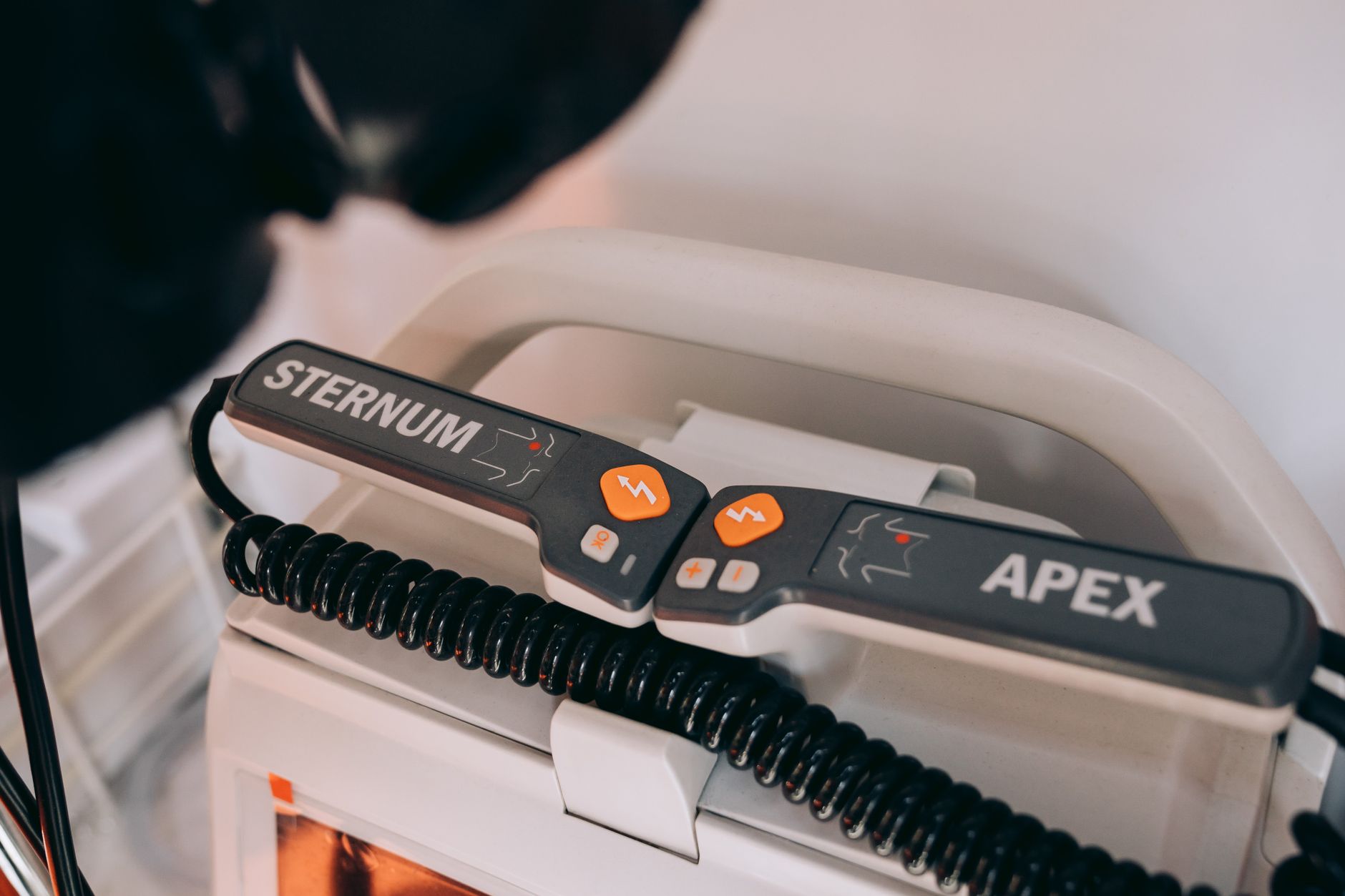
Costs, Match Funding and Writing a Budget That Survives Scrutiny
Write the budget as a table rather than prose, because assessors skim. Include unit price, quantity, supplier quote reference and VAT status. Many community groups cannot reclaim VAT, so quote gross figures and say so explicitly. A £1,450 device becomes £1,740 gross, and overlooking that gap causes most mid-project shortfalls.
Match funding strengthens borderline bids. Even £200 raised locally signals commitment. The village hall hire cost UK committees charge, typically £8 to £15 an hour, can be waived for a fundraising evening and counted as in-kind match at full market value provided the trustees confirm the value in a short letter.
Timelines vary widely. Supermarket community funds decide monthly, National Lottery Awards for All quotes eight to twelve weeks for grants of £300 to £20,000, and parish precept requests may wait for the January budget meeting. Submit to two or three sources with different decision cycles rather than staking the whole project on one.
A realistic cost breakdown
| Item | Typical cost | Notes |
|---|---|---|
| Semi-automatic AED unit | £750 – £1,450 | Eight-year warranty standard |
| Heated locked cabinet | £350 – £600 | Essential for outdoor sites |
| Electrical connection | £120 – £300 | Qualified electrician, around 10W draw |
| Signage and mounting board | £40 – £90 | Include reflective night signage |
| Replacement pads and battery | £165 – £310 | Every two to four years |
| Cabinet electricity | £15 – £25 per year | Usually absorbed by landowner |
Life After the Award: Guardianship, Training and Ongoing Fundraising
Register the unit on The Circuit, the national defibrillator network, so ambulance call handlers can direct bystanders straight to it. Registration is free and takes roughly fifteen minutes. Without it your cabinet is effectively invisible to 999 operators, and a substantial share of community AEDs across the country remain unregistered.
Awareness matters more than most committees expect. Groups planning how to run a village fete can add a ten-minute CPR demonstration beside the tombola, and the same volunteers who learned how to volunteer at food bank sessions often make excellent first-aid champions because they already hold DBS checks and are used to keeping a rota.
Consumables need a modest annual pot, usually £60 to £120. Committees raise it through the same channels that keep the best charity shops in London stocked — house clearances, seasonal collections and donating clothes to charity UK textile banks — or by ring-fencing the takings from one fete stall every summer.
Position the defibrillator inside your wider support network rather than treating it as an isolated box on a wall. If your hall noticeboard already explains a community fridge how it works, or signposts the UK food bank referral process through a local agency, add the AED location, access code arrangements and guardian contact to that same panel.
How much does a defibrillator community grant application UK typically award?
Awards usually fall between £600 and £2,000. Some schemes fund the complete package, others cap their contribution at 50% or at a fixed £1,000 towards hardware only. Several heart charities offer subsidised bundles rather than cash, meaning you pay a reduced price for an approved package instead of receiving a bank transfer. Supermarket community funds commonly release £500 to £1,500 following a customer vote, while National Lottery Awards for All covers £300 to £20,000 and can absorb an entire project including training sessions. The pattern that succeeds most often is applying to two complementary sources: one covering hardware, another covering installation and running costs.
Is match funding compulsory for community defibrillator grants?
Not always, but it helps in nearly every case. Roughly half the schemes open to community groups ask for 10% to 25% partnership funding, and those that do not still score committed applicants more highly. Match funding does not need to be cash. Donated labour from a qualified electrician worth £150, waived room hire for planning meetings, free wall space offered by a pub or village shop, and volunteer hours costed at a modest hourly rate all count as in-kind contributions once documented. Get each one confirmed in a short letter or email, state the value, and list it in the budget table so the assessor sees the genuine total project cost rather than only the amount you are requesting.
What ongoing costs should we budget for after installation?
Budget £90 to £200 a year averaged across the device lifetime. Adult pads expire every two to four years at £45 to £90 per set and must be replaced after every use; paediatric pads or a child key add £50 to £120. The main battery lasts four to five years and costs £120 to £220 to replace. A heated cabinet consumes around £15 to £25 of electricity annually, usually absorbed by the landowner. Add inspection costs: a monthly visual check by the guardian is free, though many groups pay £40 to £80 for a documented annual service. A standing order of £10 a month from committee funds covers everything without emergency appeals.
