

Becoming an ESOL conversation club volunteer UK charities depend on takes weeks rather than months, and the entry barrier is far lower than most people assume. English for Speakers of Other Languages clubs run in libraries, community centres, mosques, churches and village halls, usually for 90 minutes a week during term time. You need no teaching qualification, no second language and no degree, only patience, clear speech and reliable attendance. A paid or trained coordinator plans the topic while volunteers sit with two to five learners and keep the talk moving. Expect a mix of nationalities, ages from 18 to 80, and English levels from Pre-Entry to Level 2. Clubs across England, Scotland, Wales and Northern Ireland follow broadly the same pattern, though funding routes differ. This guide covers recruitment, induction, DBS checks, realistic costs and the practical rhythm of the role.
What an ESOL Conversation Club Actually Does
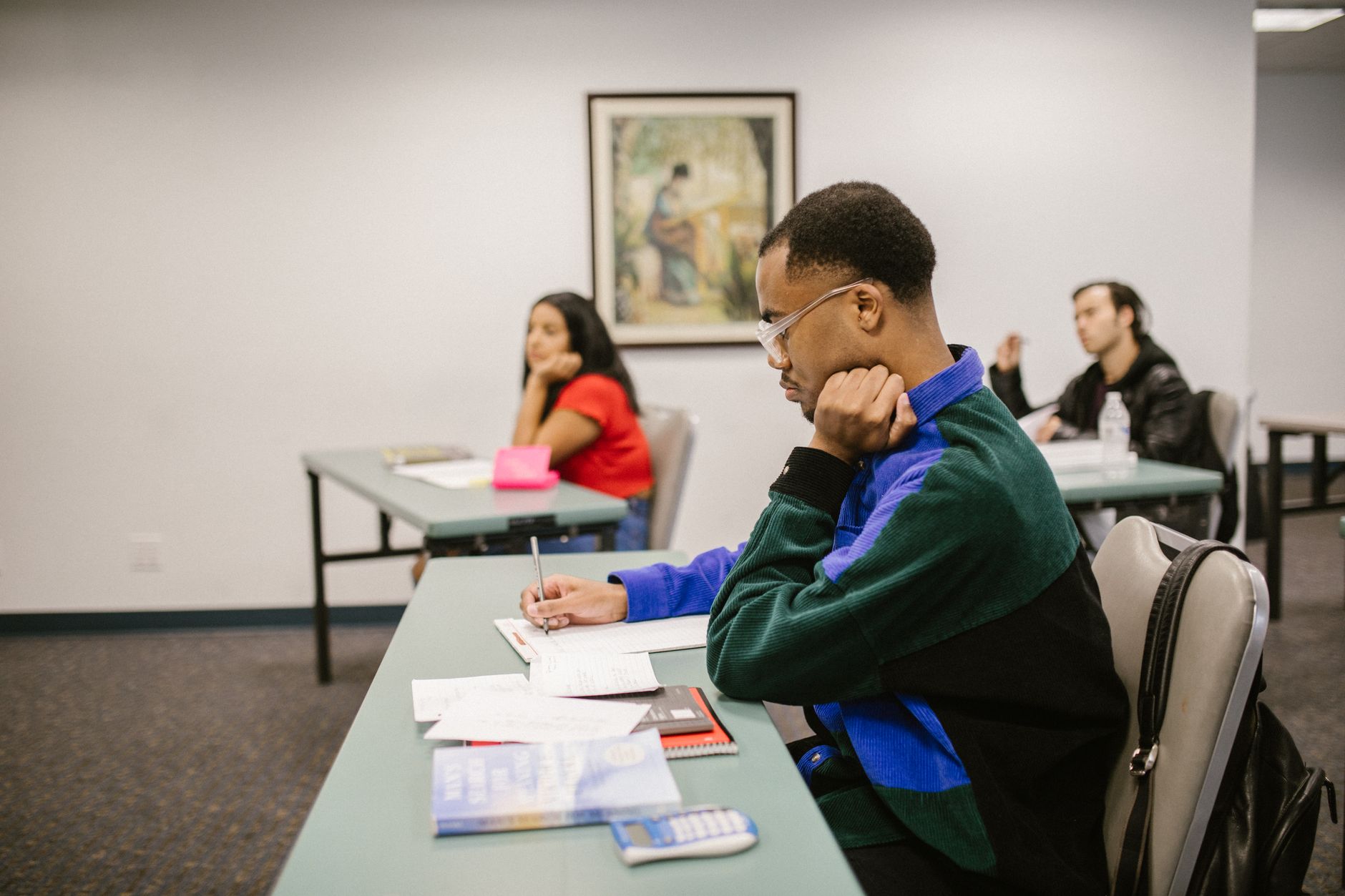
ESOL stands for English for Speakers of Other Languages. A conversation club is the informal wing of that world: no exams, no coursebook chapters to finish, no grades to record. A coordinator picks a theme, such as registering with a GP, a job interview or a school parents evening, and volunteers steer small-group talk around it for roughly 90 minutes.
Your job is not to teach grammar. It is to slow down, drop idioms, ask open questions and give every learner airtime. A strong volunteer speaks perhaps 30 per cent of the time. Correcting every error kills confidence, so most coordinators ask you to note two or three recurring mistakes and feed them back gently at the end.
Group sizes are deliberately small. Four learners to one volunteer is the usual ceiling, and many clubs aim for three. That ratio is why recruitment never stops: a club with 24 regular attendees needs six to eight volunteers on the rota, plus cover for holidays, illness and the inevitable term-time drift in availability.
Who Turns Up on a Typical Evening
Attendance mixes refugees on resettlement schemes, spouses on family visas, settled European workers, international students and long-term residents who never had formal lessons. Levels run from Pre-Entry, where someone may recognise only the alphabet, up to Level 2, where the gap is confidence and speed rather than vocabulary.
Ages spread from 18 to well past retirement. Some learners arrive with medical degrees and almost no English; others have limited literacy in any language. Treating the room as one homogeneous group is the commonest beginner mistake, and the fastest way to lose the quieter half of your table within three weeks.
How to Find and Join a Conversation Club Near You
Start with buildings, not search engines. Libraries, adult education colleges, refugee charities, community centres and faith venues host most clubs. One building often runs several projects from a single diary, so the hall with a community fridge, how it works explained on the noticeboard in six languages, may host the language club two evenings later.
Volunteer centres and council community pages list vacancies, but listings age badly, so a phone call beats a form. Ask three questions: what is the learner-to-volunteer ratio, is a coordinator in the room throughout, and what training happens before your first session? Clubs that cannot answer clearly tend to burn volunteers out fast.
Rural coverage is patchier. Where no club exists within reach, a parish council, a church or a primary school may host one if somebody organises it. Volunteers who already know how to volunteer at food bank sessions, or who run a toddler group, find the logistics familiar, because the same rooms, rotas and safeguarding habits apply.
- Library noticeboards and the local authority adult learning brochure
- Refugee and migrant support charities, which frequently run clubs in house
- Volunteer centres and council community directories
- Faith venues: church halls, mosques, gurdwaras and community trusts
- Colleges delivering accredited ESOL, which often need informal partner clubs
Training, DBS Checks and Safeguarding
Induction for a new ESOL conversation club volunteer UK charities recruit is short: two to three hours covering safeguarding basics, confidentiality, boundaries and practical technique. Speak at roughly 70 per cent of your normal pace, avoid phrasal verbs, write key words down, and use images rather than translation apps wherever you can.
A DBS check is standard where learners include under-18s or adults at risk. Volunteer applications carry no DBS fee, though umbrella bodies typically charge £10 to £25 in administration. Processing runs from a few days to several weeks. The paperwork closely mirrors what people meet when they ask how to become a school governor.
Boundaries matter more than new volunteers expect. Learners may ask for help with a Home Office letter, a tenancy dispute or the UK food bank referral process, which requires a voucher from an agency rather than a walk-in request. Signpost to the coordinator or a trained adviser, and never share your personal phone number.
Handling Sensitive Topics
Ordinary conversation topics carry weight in an ESOL room. Family, home country, work history and travel can all touch on loss or separation. Experienced volunteers keep neutral alternatives ready: transport, food, weather, local services. If a learner goes quiet, move on without comment and mention it to the coordinator afterwards.
Costs, Venues and Setting Up Your Own Club
Running a club is inexpensive by charity standards, but not free. Village hall hire cost UK groups pay typically ranges from £8 to £25 per hour, with community and charity rates at the lower end and town-centre rooms with parking at the top. Insurance, refreshments and printing add a few hundred pounds annually.
Governance comes before funding. Small clubs usually operate under a host organisation, which sidesteps the work of learning how to set up a charity from scratch. If you want independence, a constituted community group with a written constitution, a bank account and three unrelated officers unlocks most small grants.
Grant sources include the parish or town council, national lottery community funding, housing associations and local trusts. Parish council meeting rules UK bodies follow mean you must submit a request before the agenda closes, normally seven clear days ahead, and attend in person to answer questions during the public session.
| Item | Typical cost | Notes |
|---|---|---|
| Room or village hall hire | £8 to £25 per hour | Community rate often halves this |
| Public liability insurance | £60 to £150 per year | Waived if hosted by a larger charity |
| Tea, coffee and biscuits | £5 to £10 per session | Central to attendance, not a luxury |
| Printing and resources | £80 to £200 per year | Laminated picture cards last years |
| Volunteer DBS administration | £10 to £25 each | Disclosure fee itself is free for volunteers |
| Childcare or crèche cover | £30 to £60 per session | Doubles attendance among parents |
Keep the budget honest. Volunteer time is free; the room, insurance, printing and coordinator hours are not. Most small clubs operate on £1,500 to £3,000 a year excluding paid staff, and funders respond far better to a modest, evidenced budget than an ambitious wish list.
What the Role Gives You Back
The skills transfer widely. Volunteers report sharper listening, plainer writing and more confidence chairing a room full of strangers. Listing ESOL conversation club volunteer UK experience on a CV signals cultural competence and reliability, which recruiters in education, health and the public sector read quickly. Some volunteers move into paid teaching assistant roles.
Clubs also pull people into wider local life. The same faces end up starting a community garden UK councils will lease land for, learning how to run a village fete, or joining a management committee. Learners ask about the neighbourhood watch scheme, how to start one on their street, and about donating clothes to charity UK shops actually accept.
Those questions become sessions. A trip to some of the best charity shops in London, or your nearest high street parade, teaches sizing, prices and small talk in a single hour. A walk to the food bank demystifies vouchers. Practical outings consistently beat worksheets for both attendance and retention across a term.
The commitment is manageable. Budget 90 minutes in the room plus around 20 minutes of setup and debrief, once weekly, term time only. That works out at roughly 40 sessions and 75 hours a year. Coordinators plan the content, so your preparation is usually one page of notes read beforehand.
How Do I Become an ESOL Conversation Club Volunteer With No Experience?
Most clubs recruiting an ESOL conversation club volunteer UK organisations trust use a short application form, an informal chat and a taster session where you observe before joining a table. Contact the venue coordinator directly rather than a national inbox, because local clubs are frequently run by one part-time worker who answers email personally. Expect to commit to one fixed weekly slot for at least a term, since learners build trust through familiar faces. Induction covers safeguarding, confidentiality and technique such as slowing your speech and avoiding idioms. Two references and a DBS check follow. From first enquiry to first session, three to six weeks is normal.
Is a DBS Check Always Required for ESOL Volunteering?
Not always, but assume it will be. Where a club serves adults only, is staffed at all times and involves no one-to-one contact, some hosts run a lighter risk assessment instead. Where learners include anyone under 18, or adults classed as at risk, an enhanced check with the adult barred list is standard practice. Volunteers pay no disclosure fee, though umbrella body administration usually costs £10 to £25 and the host normally covers it. A check registered on the DBS Update Service can often be reused across organisations, saving several weeks. Refusing a check will rule you out of nearly every established club.
What Should I Do in My First Conversation Club Session?
Arrive 15 minutes early, learn three names properly and ask how each is pronounced. Sit rather than stand, keep your notebook closed for the first ten minutes, and let the coordinator introduce you. Ask open questions, then wait: silence of five or six seconds is normal while someone assembles a sentence, and filling it teaches nothing. Avoid idioms, contractions and rapid follow-up questions. Write difficult words in clear capitals so learners can copy them. Do not correct pronunciation in your first session unless meaning breaks down. Afterwards, spend ten minutes with the coordinator noting who spoke least, and plan how to include them next week.
