
A dog rescue walking volunteer UK shelters can count on is worth more than a monthly direct debit, because kennel stress is measured in hours, not pounds. Most rehoming centres run a healthy donations list but a chronic shortage of people who turn up at 8am in February rain, which is exactly why the dog rescue walking volunteer UK route stays open to newcomers. This guide covers what the role actually demands: the application and reference checks, the two- to three-hour induction, the colour-graded kennel system that decides which dogs you may handle, realistic kit costs of £60 to £120, and the fuel you will burn reaching a rural centre. It also maps how rescue walking connects to the wider volunteering ecosystem in your town, from fundraising stalls to committee seats, so your time compounds instead of stalling after six weeks.
What a Rescue Walking Shift Really Looks Like
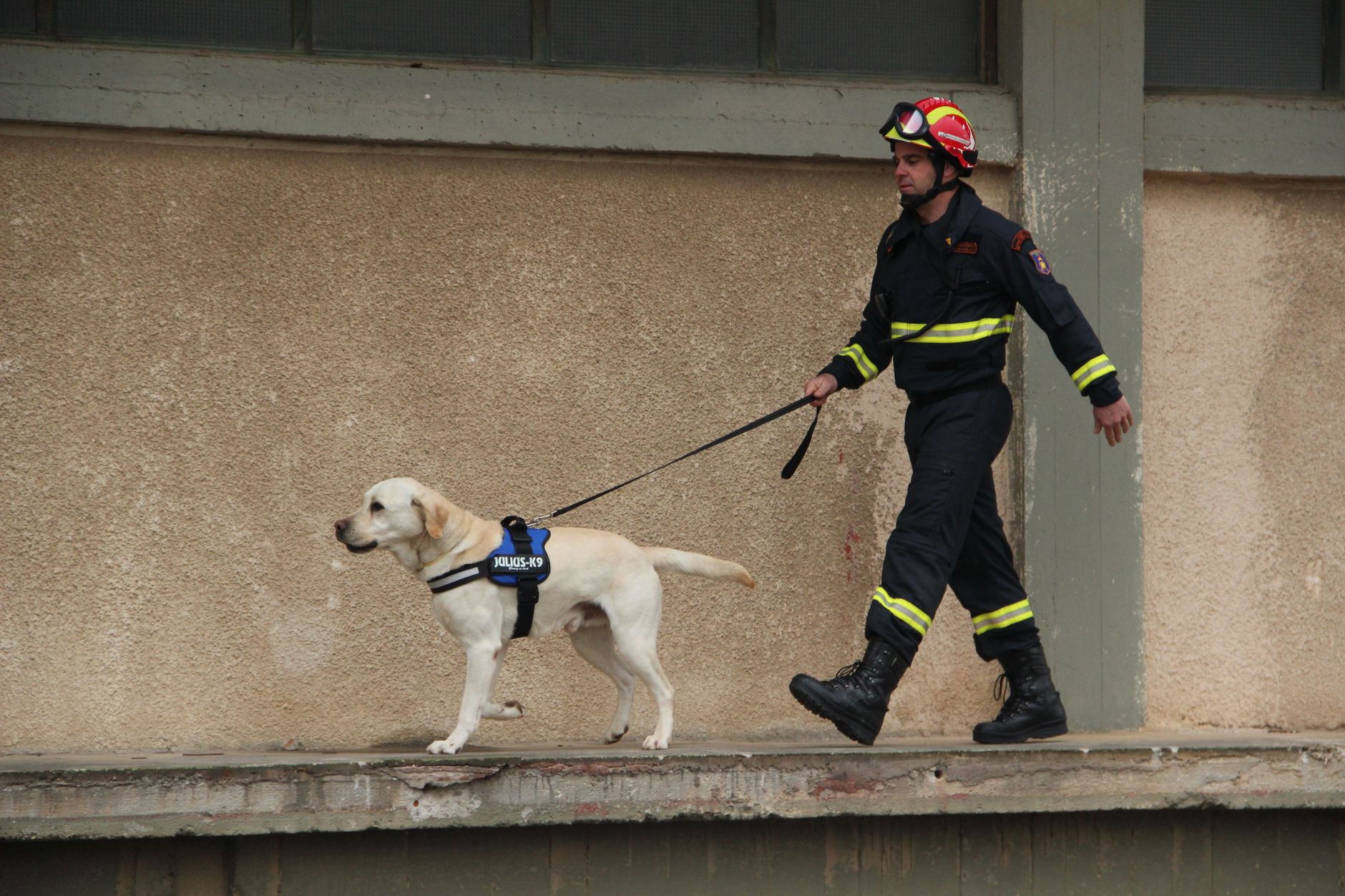
A standard shift runs two to four hours and rarely starts with a lead. You sign in, read the kennel board, then check each dog notes card for medical flags such as post-operative rest, arthritis, sound sensitivity or a recorded bite history. Only after that do you collect a slip lead, poo bags and a treat pouch.
Walks are short by pet-dog standards: twenty to thirty minutes per dog, three to six dogs per session, because the goal is decompression rather than distance. Between walks you scoop runs, refill water bowls, wipe down bedding and write two lines in the daily log that the behaviour team reads before rehoming interviews.
Weather never cancels the rota. Kennels still need emptying at minus two degrees, and August heat pushes walks into 7am and 7pm slots to protect paws from hot tarmac. The dog rescue walking volunteer UK rota therefore rewards reliability above enthusiasm: confirm by text on Friday, then arrive when the forecast is grim.
Applications, References and the Kennel Grading System
Expect a written application, two references and a short interview held either at the centre or by video call. Larger charities also ask for proof of address, an emergency contact and confirmation that you are over eighteen for kennel-side roles. Under-eighteens are usually redirected into fundraising, laundry or admin support instead.
Induction takes two to three hours and covers lead handling, gate discipline, slip-lead fitting, bite protocol and the incident form. Many centres then add a shadowing period of three to five sessions alongside an experienced handler before signing you off for solo walking on the quieter blocks.
What Rescues Check Before Your First Solo Walk
Most centres grade their dogs by colour, and that grade controls everything you are permitted to do. Green dogs are calm and lead-trained. Amber dogs need logged experience. Red dogs stay with paid staff. Before sign-off, coordinators typically confirm the following points:
- Physical capability to control a 25kg dog that lunges without warning
- Attendance pattern of at least one fixed session per fortnight for six months
- Understanding of the incident and near-miss reporting form
- Willingness to accept the dog you are given rather than choosing favourites
- Correct footwear, no loose scarves, and hair tied back around kennels
Kit, Costs and a Time Commitment That Actually Works
Rescues supply leads, harnesses and waste bags, but everything on your body is yours to buy. Waterproofs matter more than boots because you will stand still in wind for long stretches while a nervous dog decides whether to leave the kennel block. Budget once, properly, and the kit lasts several seasons.
| Item | Typical spend | Practical note |
|---|---|---|
| Waterproof jacket | £35 to £70 | Taped seams beat fashion cuts on exposed fields |
| Walking boots or wellies | £25 to £60 | Must survive disinfectant foot dips |
| Fuel per session | £3 to £8 | Rural centres sit 6 to 15 miles outside town |
| Canine first aid course | £25 to £45 | Optional but moves you up the amber list quickly |
| Treat pouch and grip gloves | £10 to £18 | Washable pouch, no zips near a mouthy dog |
Budgeting for a Full Year of Rescue Walking
Smaller independent rescues cannot afford a training suite, so handling refreshers often happen in a hired room nearby. The village hall hire cost UK groups typically face sits between £10 and £25 an hour, which is why refreshers cluster into one long Saturday rather than monthly evenings. Volunteers are almost never charged.
Across a year, one weekly session costs roughly £150 to £400 once fuel, replacement waterproofs and the occasional course are counted. Many centres reimburse mileage above a set threshold if you ask, and some offer free canine first aid places to volunteers who complete their first hundred logged walks.
Finding a Dog Rescue Walking Volunteer UK Placement Near You
Large national charities publish structured vacancies with waiting lists that can stretch to several months in commuter belts. Independent breed-specific rescues, greyhound trusts and small pound-pull operations recruit far faster, often through a single overworked coordinator who replies to email at 11pm. Apply to three organisations rather than one.
Local civic channels surface roles that never reach a website. The parish council meeting rules UK residents rely on require agendas to be published in advance and usually include a public participation slot, so a rescue coordinator can pitch for walkers directly to the room. Minutes then circulate to every household on the mailing list.
Doorstep networks work even better in villages. Ask your local neighbourhood watch scheme how to start a short volunteer appeal on its WhatsApp group or newsletter, since those lists reach exactly the retired and shift-working residents with weekday daylight hours free. Foster networks recruit the same way, and fostering often follows walking.
Geography changes the role. City centres offer frequent short shifts and heavy competition for weekend slots. Rural counties have fewer applicants but expect you to drive, handle mud, and cover for someone who cannot reach the site when a lane floods. Match your application to the travel you can genuinely sustain.
Turning Rescue Walking Into Wider Community Impact
Walking rota volunteers are usually the first people asked to staff fundraising events, because they can answer questions about the dogs. If you learn how to run a village fete stall, a rescue tombola with donated pet products can clear £200 to £600 in an afternoon, which funds several kennel-block vaccinations.
Retail supports the same budget. Donating clothes to charity UK shops resell at £4 to £12 per item, and animal charities increasingly run their own units rather than relying on general stock. The best charity shops in London demonstrate the model clearly: tight curation, steady volunteer rotas and gift aid processing that adds a quarter to every sale.
Human-facing services overlap more than people expect. Volunteers frequently ask how to volunteer at food bank sessions alongside kennel shifts, since both need weekday daytime cover. The UK food bank referral process routes households through an agency voucher rather than walk-in access, and many centres now include pet food parcels so families do not surrender animals.
Food surplus projects sit next to this. Ask at a community fridge how it works and staff will explain that anyone may take items regardless of income, with no referral and no means test. Groups exploring starting a community garden UK-wide often attach a fridge, a tool library and a dog-friendly seating area to the same plot.
The practical bonus is transferable paperwork. Your references, safeguarding briefing and reliability record travel with you, so a second role takes weeks rather than months to arrange. Volunteers who begin with dogs commonly end up on trustee boards, event committees or school reading schemes within two or three years.
How Do I Get Approved to Walk Amber-Graded Rescue Dogs?
Approval is earned through logged consistency, not conversation. Complete the standard induction, then accept every green dog you are given for at least fifteen to twenty recorded walks, writing clear notes each time about lead pressure, recall interest and reaction to traffic or other dogs. Coordinators read those logs. Next, ask to shadow an amber handler on two sessions and request feedback in writing so your progress is documented. A paid canine first aid certificate costing £25 to £45 strengthens the case considerably. Most centres then run a short practical assessment covering slip-lead fitting, doorway control and what you do if a dog slips its collar in an open field. Reliability across six months matters more than natural ability with animals.
Is Rescue Dog Walking Suitable if I Already Own a Dog?
Yes, with strict hygiene discipline. Kennel cough, giardia and kennel-strain parasites transfer easily on boots, sleeves and lead clips, so most centres require you to change footwear before leaving, wash outer layers at 60 degrees and avoid greeting your own dog for at least twenty minutes after arriving home. Some rescues ban volunteers from bringing personal dogs onto site entirely, even in a car boot, because scent through fencing raises arousal across the whole block. Owning a dog is otherwise a genuine advantage: you already read body language, handle a lead confidently and understand toileting patterns. Confirm your own animal is fully vaccinated, and keep a dedicated pair of boots stored outside the house.
What Other Volunteering Roles Pair Well With Rescue Dog Walking?
Rescue walking builds three portable assets: a checked reference history, evidence of reliability and comfort with risk paperwork. Those unlock committee-level roles quickly. Many walkers move into trustee positions, and understanding how to set up a charity becomes relevant once a small foster network outgrows informal fundraising and needs a constitution, a bank account and registration with the regulator. Others move sideways into civic education roles. Researching how to become a school governor reveals a similar commitment shape: around six to eight meetings a year plus reading time, with no qualifications required beyond a clean record and reliability. Fundraising committees, surplus food projects and community growing schemes all recruit heavily from animal rescue volunteers for exactly the same reason.
