
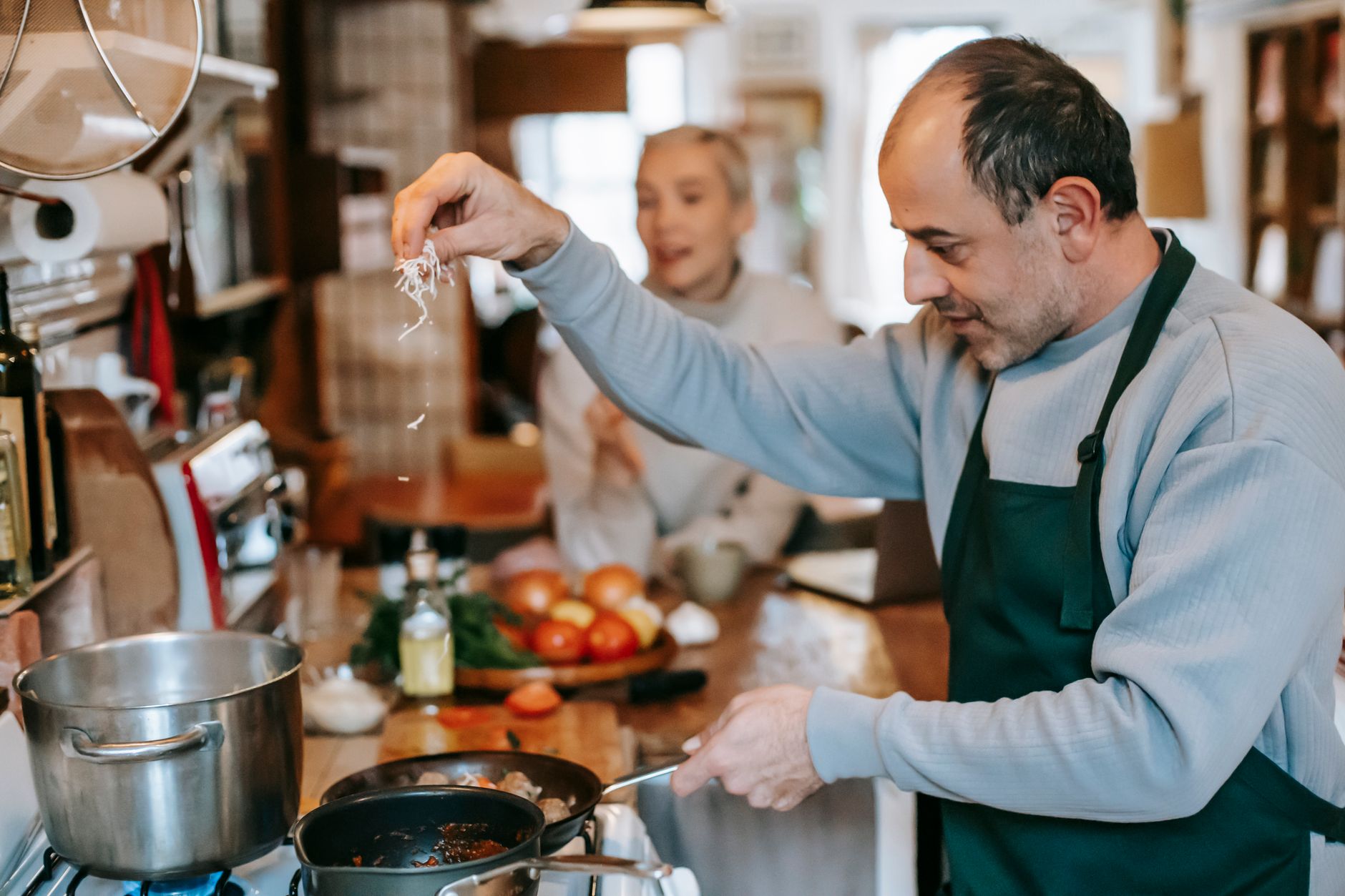
Easy cooking recipes at home have quietly become the backbone of household budgets across Britain, and the reason is simple arithmetic. A mid-week takeaway for a family of four costs roughly £38 to £45 once delivery and service fees land; the same meal cooked in your own kitchen rarely passes £9. Across our community, readers tell us the barrier was never skill — it was time, confidence and a cupboard full of half-used jars. This guide fixes all three. You will find costed shopping lists, 20-minute weeknight plates, batch-cooking routines that survive a chaotic Tuesday, and the small equipment upgrades that genuinely earn their keep. Everything here has been cooked in ordinary kitchens with ordinary hobs, not test studios. Start with one recipe a week, keep what your household actually eats, and within a month the routine runs itself without a meal-planning app.
Why Easy Cooking Recipes at Home Beat the Takeaway Bill
The maths is what converts people. Two adults and two children ordering mid-week delivery spend around £42 including fees and tip. A chicken traybake with potatoes and greens for the same table costs about £8.40 using mid-range supermarket own-brand ingredients. Cook four nights a week instead of ordering, and you keep roughly £130 every month.
Confidence matters far more than technique. Most household favourites rely on four moves: roasting, frying, simmering and assembling. Master a traybake, a one-pan pasta, a stir-fry and a lentil soup, and you already cover twenty different dinners simply by rotating the protein, the herbs and whatever vegetables were reduced that afternoon.
Waste is the hidden saving nobody counts. British households bin an estimated £700 of edible food each year, much of it bread, bagged salad and half-used tins of tomatoes. Cooking from a short, repeating repertoire means ingredients overlap between meals, leftovers get reused deliberately, and the fridge stops working as expensive compost.
Building a £35 Store Cupboard
Stock these once and most weeknight dinners become a ten-minute decision rather than a shopping trip. Approximate own-brand prices below cover several weeks of cooking for a family of four:
- Olive oil plus a neutral rapeseed oil — around £3.50 each, roughly six weeks of use
- Tinned chopped tomatoes, six-pack — about £2.40, the base of a dozen sauces
- Dried pasta, long-grain rice and red lentils — roughly £4 combined
- Smoked paprika, cumin, dried oregano and chilli flakes — under £5 for all four jars
- Stock cubes, soy sauce and red wine vinegar — about £6 and they last months
- Frozen peas, leaf spinach and mixed berries — around £5, and nothing spoils
Five Weeknight Plates You Can Cook in Thirty Minutes
Speed comes from choosing dishes where the oven or the pan does the unattended work. Each plate below has been timed from chopping board to table in a standard kitchen with one hob and one oven shelf. Costs are per portion, calculated for four servings using supermarket own-brand ingredients.
| Dish | Hands-on time | Cost per portion | Why it works |
|---|---|---|---|
| Sausage and butter bean traybake | 10 minutes | £1.85 | One tin, no stirring, the oven handles the rest |
| Tomato and chorizo orzo | 15 minutes | £1.60 | Cooked in a single pan with no draining |
| Red lentil and carrot soup | 12 minutes | £0.75 | Freezes in portions for six weeks |
| Chicken thigh and noodle stir-fry | 18 minutes | £2.20 | Clears every limp vegetable in the drawer |
| Baked cod with crushed potatoes | 15 minutes | £3.10 | Sunday-quality plate on a Wednesday |
Two habits make these genuinely fast. Preheat the oven before you unpack the shopping, and prepare a tray of chopped onion, garlic and carrot on Sunday that lives in a sealed box. That single container removes eight minutes of knife work from every meal in the table above.
Rotate proteins rather than recipes. The same traybake method carries sausages one week, chicken thighs the next and halloumi with chickpeas for a meat-free Monday. Your household learns the shape of the meal, the shopping list barely changes, and the weekly spend stays predictable within about £5 either way.
Baking at Home Without the Fuss
Baking intimidates people because it looks precise, yet the forgiving end of the craft is enormous. The great british baking recipes worth learning first are scones, flapjacks, a fruit loaf and a tray of shortbread — four bakes that tolerate an imperfect oven, a rough weigh-out and a distracted cook checking the timer late.
Buy digital scales for about £9 and an oven thermometer for around £6. Most domestic ovens run 15 to 20 degrees away from their dial setting, which explains almost every pale scone and scorched biscuit base. Correcting that gap costs less than a single failed batch of ingredients and fixes results permanently.
Classic british baking recipes also solve the leftovers problem elegantly. Bananas past their best become loaf cake; a heel of stale bread becomes bread and butter pudding; surplus apples from a neighbour turn into crumble with a topping you can freeze raw in a bag and bake straight from frozen whenever guests appear.
Three Tins Worth Owning
A 900g loaf tin, a 20cm square brownie tin and a heavy flat baking sheet cover roughly ninety per cent of home baking. Expect to pay £25 to £35 for all three in anodised aluminium, which conducts heat evenly and will outlast cheap non-stick coatings by a decade or more.
Where Your Ingredients Actually Come From
Flavour improves dramatically when the raw material is fresher, which is why so many readers drift towards uk allotment gardening after a year of cooking properly. A half plot produces potatoes, courgettes, runner beans and soft fruit worth several hundred pounds a season, for a council rent commonly between £30 and £90 a year.
Waiting lists are the catch. Depending on your council, a plot can take six months or four years to reach you, so join the queue early and use the wait productively. Growers in allotment gardening uk groups consistently recommend starting with herbs, salad leaves and tomatoes in containers, which need no plot and reward beginners quickly.
If growing is not for you, farm shops, weekly markets and veg boxes close the gap. A standard mixed box runs roughly £12 to £18 and forces useful creativity, since you cook what arrives rather than what you planned. That constraint is precisely what builds a genuine repertoire rather than a saved list of recipes.
Cooking Around Work, Walks and Weekends Away
Working from the spare room changes lunch completely. Most home office setup ideas focus on chairs and monitor arms, yet the detail that saves the most money is a fifteen-minute lunch plan: a jar of dressing in the fridge, cooked grains from the night before, and eggs. That trio replaces a £6 daily meal deal.
Weekends run on a different rhythm. Families who spend Saturday searching for dog walking parks near me arrive home cold, muddy and hungry at exactly the wrong moment. A slow cooker loaded at nine in the morning for about 40p of electricity solves it, and the same chilli stretches across Saturday dinner and Sunday jacket potatoes without complaint.
Holidays shape cooking too. Anyone comparing travel destinations in UK guides — Pembrokeshire, the Cairngorms, the North York Moors — comes home wanting to recreate something eaten there. Self-catering cottages in the best UK travel destinations rarely offer more than a hob, one saucepan and a blunt knife, so pack a decent peeler and your own spice tin.
Plan the fridge around departure day. Whether your shortlist of best travel destinations UK leans coastal or you are browsing Hays Travel destinations from UK airports for winter sun, cook a clear-out frittata the night before you leave. Travel destinations UK guides never mention it, but arriving home to an empty, clean fridge is worth the twenty minutes.
How Do I Plan Easy Cooking Recipes at Home for a Full Week?
Start from the calendar rather than the cookbook. Mark which evenings are genuinely free and which are rushed, then assign a 30-minute plate to busy nights and one longer cook to a quieter day. Choose five dinners maximum, because most households eat leftovers or something improvised at least twice. Write the shopping list by aisle, not by recipe, which cuts supermarket time by roughly a third and stops duplicate buying. Overlap ingredients deliberately: if Monday uses half a bag of spinach, Wednesday should use the rest. Batch the shared prep — onions, garlic, roasted vegetables — into one Sunday session of about 25 minutes. Repeat the same framework weekly and swap only the proteins and seasonings.
Is Batch Cooking Safe When I Freeze Meals for Later?
Yes, provided you cool food quickly and store it correctly. The critical step is getting cooked dishes from hot to chilled within roughly ninety minutes, which is easiest if you divide the pan into shallow containers rather than freezing one large tub. Label everything with the dish name and the date, since frozen chilli and frozen bolognese look identical after a fortnight. Most cooked meals keep three months at minus 18 degrees without meaningful loss of quality; soups and stews often improve. Defrost in the fridge overnight rather than on the worktop, then reheat until piping hot all the way through — above 75 degrees at the centre. Never refreeze a meal you have already thawed and reheated.
What Kitchen Equipment Do Complete Beginners Actually Need?
Far less than shops suggest. A 20cm chef knife costing £25 to £40, a wooden board, one heavy 28cm frying pan, a 24cm saucepan with a lid, a large roasting tray and digital scales will produce every recipe in this guide. Add a sieve, a peeler, tongs and two mixing bowls and the kitchen is genuinely complete for around £120 total. Skip the specialist gadgets until a specific recipe demands one, because garlic presses, avocado slicers and egg cookers occupy drawer space without saving real time. If you later add a single appliance, make it a slow cooker at £25 to £45 — it turns cheap braising cuts into the best value meals you will cook all year, using easy cooking recipes at home that need five minutes of attention.
