
Community Defibrillator Installation Guide UK: Costs, Siting and Registration
This community defibrillator installation guide uk volunteers can actually follow takes a scheme from first idea to registered rescue asset in roughly three months. Around 30,000 out-of-hospital cardiac arrests happen across the UK every year, and survival drops by about 10% for each minute that passes without a shock, so a cabinet on a wall in your village is a clinical intervention rather than a decorative gesture. Expect a realistic total of £1,600 to £2,600 for a semi-automatic unit, a heated locked cabinet, electrical connection and the first set of consumables. The work splits into five predictable stages: costing, siting, funding, installing and registering. Tackled in that order, a committee of four or five residents can deliver a fully working public access unit without professional project management, and without the stalled fundraising that kills so many local schemes before the first pad is ever unwrapped.
What a Community Defibrillator Really Costs
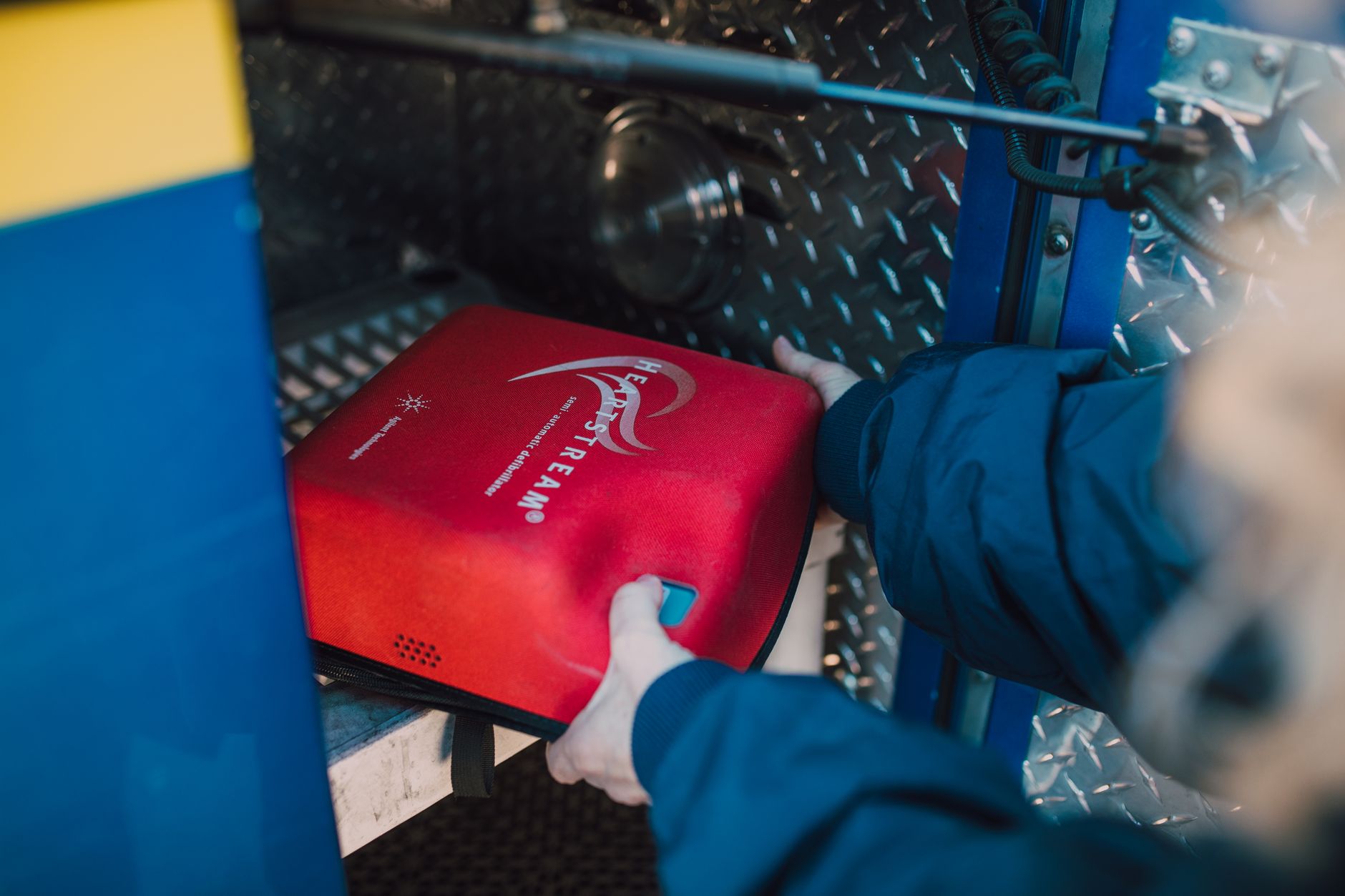
Budget in two buckets: one-off capital spend and recurring lifetime cost. A semi-automatic unit such as the iPAD SP1, HeartSine samaritan 500P or Zoll AED 3 lands between £750 and £1,400, depending on whether you buy through a charity supply scheme, an ambulance service partnership or a straight commercial distributor.
Cabinets are where budgets quietly slip. An unheated, unlocked box costs under £250, but an exposed rural wall needs a heated IP66 stainless steel model at £550 to £750 to stop electrode gel freezing below 5C. Add £150 to £350 for a Part P certified fused spur fitted by a qualified electrician.
Consumables set the true running cost. Adult pads expire every two to four years at £40 to £70 a pair, paediatric pads sit slightly higher, and replacement batteries range from £120 to £250 depending on model. Put £90 a year into a sinking fund and no replacement ever becomes a crisis.
| Item | Typical cost (GBP) | Notes |
|---|---|---|
| Semi-automatic AED unit | £750 to £1,400 | iPAD SP1, HeartSine 500P, Zoll AED 3 |
| Heated locked cabinet | £550 to £750 | IP66 stainless, keypad or code release |
| Electrical installation | £150 to £350 | Fused spur, Part P certificate required |
| Signage and ground marking | £40 to £90 | Reflective sign plus directional arrows |
| Pads and battery cycle | £120 to £250 | Every two to four years per set |
Ongoing Costs Most Committees Forget
Insurance is usually free or nominal, because most parish policies extend public liability to a wall mounted unit for under £30 a year. Electricity for a heated cabinet runs to roughly £15 to £25 annually. Pads used in a genuine deployment must be replaced the same week, so always hold a spare set in reserve.
Choosing a Site That Works at Three in the Morning
Placement beats specification every time. The unit must be reachable within a three minute round trip on foot, which in practice means a 200 metre radius of your busiest evening footfall. Pub frontages, shop walls, bus shelters and sports pavilions all outperform a locked office porch by a wide margin.
Host buildings need an external wall with power, unobstructed public access and no locked gate. A parish owned building is the cleanest choice because you avoid tenancy changes. A private host can be excellent, but a sale or refurbishment may strand your cabinet behind scaffolding for months with no legal right of access.
Village halls are the obvious candidate. Trustees who already publish village hall hire cost uk figures, commonly £8 to £25 an hour, are used to managing shared assets and rotas. A laminated community fridge how it works poster and clear AED signage sit comfortably on the same noticeboard without confusing anyone.
Getting Parish Approval Without Delays
Under parish council meeting rules uk agendas must be published three clear days ahead, so submit your written proposal a fortnight early with costs, site photographs and a maintenance plan. The paperwork mirrors starting a community garden uk project: a permission letter, a risk assessment and confirmation that insurance covers the installed asset.
Cabinets, Power and Installation Day
Mount the cabinet with its base 1,000mm to 1,200mm from the ground so a kneeling rescuer and a wheelchair user can both reach the keypad. Fix into solid masonry with stainless anchors, never into render alone, and seal every penetration to stop water tracking behind the backplate.
Electrical work is short but non-negotiable. The electrician runs a switched fused spur from the host building consumer unit, fits RCD protection, and issues a minor works certificate. Typical on-site time is two to three hours. Book the AED delivery first, because cabinets and units rarely arrive on the same day.
Finish with visibility. Fit a reflective external sign at eye height, add a directional arrow at the nearest road junction, and paint or vinyl the cabinet code onto the door surround. A working community defibrillator installation guide uk scheme fails most often because callers cannot find the box in the dark.
Funding the Project Without a Grant Officer
Most schemes fund themselves in three tranches: a lump sum from the parish precept, a business sponsor, and community fundraising. Local employers frequently cover an entire £1,000 unit in exchange for a discreet plaque, which is far faster than assembling the same amount in £20 donations over eighteen months.
Community events do the rest. Committees who know how to run a village fete regularly clear £800 to £2,000 in a single afternoon through pitch fees, a raffle and a tea tent. By comparison, donating clothes to charity uk collection drives and street tin shakes raise far less per volunteer hour invested.
Think carefully before formalising. Groups researching how to set up a charity often discover a CIO is unnecessary for a single asset, and that operating under the parish council avoids annual returns entirely. Retail resale is rarely the answer either: even the best charity shops in london seldom clear £600 across a busy weekend.
Registration, Guardianship and Staying Rescue Ready
Register the unit on The Circuit, the national defibrillator network used by all UK ambulance services. Without registration, call handlers cannot direct a 999 caller to your cabinet, and the entire investment stays invisible. Compared with the UK food bank referral process, registration is refreshingly light and takes about twenty minutes online.
Appoint two named guardians and a deputy. Their monthly routine is short, and residents who already know how to volunteer at food bank sessions bring exactly the rota discipline required. Recruitment tactics from a neighbourhood watch scheme how to start playbook, door knocking and a WhatsApp group, fill these roles quickly.
Training multiplies the value of the hardware. Run two free CPR and AED awareness sessions a year in the hall, and offer one to the local primary school. Anyone who has explored how to become a school governor will recognise the approval route: a written proposal, a DBS check and a governing body decision.
- Check cabinet lighting, heating and door seal monthly
- Confirm the AED status indicator shows a green or flashing ready signal
- Record pad and battery expiry dates in a shared spreadsheet
- Update The Circuit entry after every check and every deployment
- Replace pads immediately after any use, even if unopened packaging looks intact
How Long Does the Whole Installation Process Take?
A well organised scheme moves from decision to live registration in eight to twelve weeks. Costing and site selection take two weeks, parish approval adds three to four weeks because of agenda publication timetables, and fundraising is the genuine variable, ranging from a fortnight with a corporate sponsor to six months on community donations alone. Once funds clear, AED and cabinet delivery is typically seven to fourteen working days, electrical installation takes a single morning, and Circuit registration goes live within 48 hours of submission. Schemes that run fundraising and approval in parallel rather than sequentially routinely halve the total timeline without cutting any corners.
Is Planning Permission Needed for a Public Access Defibrillator Cabinet?
For the overwhelming majority of sites, no planning permission is required, because a wall mounted cabinet is treated as minor equipment rather than a building alteration. Two exceptions matter. Listed buildings need listed building consent for any fixing into historic fabric, and conservation areas may require the cabinet to be a specific colour or sited away from a principal elevation. Contact your district council conservation officer early, since informal pre-application advice is usually free and resolves the question within a fortnight. Telephone kiosk conversions follow a separate adoption process through the network operator, which adds paperwork but removes the cost of a new cabinet entirely.
What Happens Legally if Someone Uses the Defibrillator Incorrectly?
UK legislation protects well intentioned rescuers, and no successful claim has been brought against a bystander using a public access AED. The Social Action, Responsibility and Heroism Act directs courts to consider whether a person was acting for the benefit of others when assessing negligence. Modern semi-automatic units analyse heart rhythm independently and will refuse to deliver a shock unless a shockable rhythm is detected, which removes most of the perceived risk. Guardians carry a separate, narrower duty: keeping the device maintained, pads in date and the registration current. Any community defibrillator installation guide uk committee should therefore document every monthly check.
