

Volunteering Benefits and Rewards: A Comprehensive Guide for UK Communities
Volunteering benefits and rewards extend far beyond the simple act of giving your time to a worthy cause. Whether you are considering your first role at a local charity shop or looking to commit several hours each week to a community project, understanding the volunteering benefits and rewards available to you can make the experience even more fulfilling. Research from the National Council for Voluntary Organisations shows that approximately 16.3 million people in England regularly volunteer, contributing an estimated £23.9 billion in economic value each year. From improved mental health and expanded social networks to tangible career advantages and exclusive perks, the rewards of volunteering touch every aspect of life. In this guide, we explore exactly what makes volunteering such a powerful force in UK communities and how you can maximise the personal and professional gains it offers.
The Physical and Mental Health Benefits of Volunteering
One of the most well-documented advantages of regular volunteering is its positive impact on both physical and mental health. A 2023 study published in the Journal of Happiness Studies found that volunteers reported 22% higher life satisfaction scores compared to non-volunteers. The act of helping others triggers the release of endorphins and oxytocin, chemicals associated with reduced stress levels and enhanced mood. For older adults in particular, volunteering has been linked to lower blood pressure and a reduced risk of cognitive decline.
Mental health charities across the UK, including Mind and the Mental Health Foundation, actively recommend volunteering as a therapeutic activity. The structured routine that comes with a weekly commitment provides purpose and direction, which can be especially valuable for individuals dealing with anxiety or depression. Many volunteers describe a sense of belonging that combats loneliness, a condition the Campaign to End Loneliness identifies as affecting over 1.4 million older people in the UK. The social interaction inherent in community projects acts as a natural antidote to isolation.
Physical health gains are equally notable. Volunteers who participate in outdoor conservation projects, community gardening, or event organisation often find themselves more active than they would be otherwise. Walking, lifting, and manual tasks contribute to cardiovascular fitness without the monotony of a gym routine. The British Heart Foundation, which relies on over 26,000 volunteers, notes that active volunteering can burn between 150 and 300 calories per hour depending on the task, comparable to a moderate exercise session.
How Volunteering Reduces Stress and Anxiety
The mechanism through which volunteering alleviates stress is well understood by psychologists. When you focus on helping others, the brain shifts attention away from personal worries, a process known as the „helper’s high.” Cortisol levels, the primary stress hormone, drop measurably in people who volunteer at least two hours per week. This effect is cumulative: the longer and more consistently you volunteer, the more resilient your stress response becomes. Organisations such as the Samaritans and St John Ambulance offer structured volunteer programmes that include wellbeing support, ensuring that the experience remains positive and sustainable for participants.
Career Development and Professional Rewards
Volunteering benefits and rewards are not limited to personal wellbeing. For job seekers and career changers, voluntary work provides an unmatched opportunity to develop transferable skills. Project management, communication, leadership, fundraising, and digital marketing are just a few of the competencies regularly honed through volunteer roles. According to a TimeBank survey, 73% of employers prefer candidates with volunteering experience, and 94% of employees who volunteered to learn new skills benefited from their experience in the workplace.
Many UK universities and professional bodies now recognise volunteering as part of continuing professional development. The Chartered Institute of Personnel and Development, for instance, accepts documented volunteer hours towards CPD requirements. Graduate schemes at firms like Deloitte, PwC, and Teach First explicitly value voluntary experience on applications. For young people entering the job market, a well-chosen volunteer placement can differentiate their CV from hundreds of similar applicants, particularly in competitive sectors such as healthcare, education, and social work.
Networking is another significant professional reward. Community projects bring together people from diverse backgrounds and industries, creating connections that might never form in a traditional workplace setting. A volunteer stint at a local food bank could introduce you to a solicitor, a web developer, or a retired business owner, any of whom might become a mentor, collaborator, or referee. These organic relationships often prove more valuable than formal networking events, as they are built on shared purpose rather than transactional interest.
Building a Portfolio Through Voluntary Work
For freelancers and creatives, volunteering offers the chance to build a portfolio with real-world projects. Designing a website for a local animal rescue, managing social media for a community festival, or photographing events for a heritage society are all tangible outputs that demonstrate skill and initiative. Many small charities have limited budgets and welcome skilled volunteers enthusiastically. Some pet rescue organisations, for example, need help with listings and outreach — you might even encounter a french bulldog puppy for sale listing while helping a breed-specific rescue update its website. These practical experiences carry significant weight in portfolios and client pitches alike.
Financial Perks and Tangible Rewards for UK Volunteers
While volunteering is by definition unpaid, many organisations offer tangible rewards that hold real value. Expense reimbursement is standard practice among established charities, covering travel costs of up to £0.45 per mile, meal allowances of £5 to £10 per shift, and uniform or equipment provision. The National Trust, one of the UK’s largest volunteer employers with over 65,000 active volunteers, provides free entry to all its properties, a benefit worth £81 per year for an individual membership. English Heritage offers similar perks to its volunteer workforce.
Retail charities such as the British Red Cross, Oxfam, and Cancer Research UK sometimes offer volunteer discount cards for their shops. While the specifics vary by branch, discounts of 10% to 20% on purchased items are common. Some organisations go further: the Royal Voluntary Service provides access to its rewards platform, where volunteers accumulate points redeemable for high-street vouchers, cinema tickets, and experience days. These incentives, while not a salary, provide genuine financial benefit and recognition.
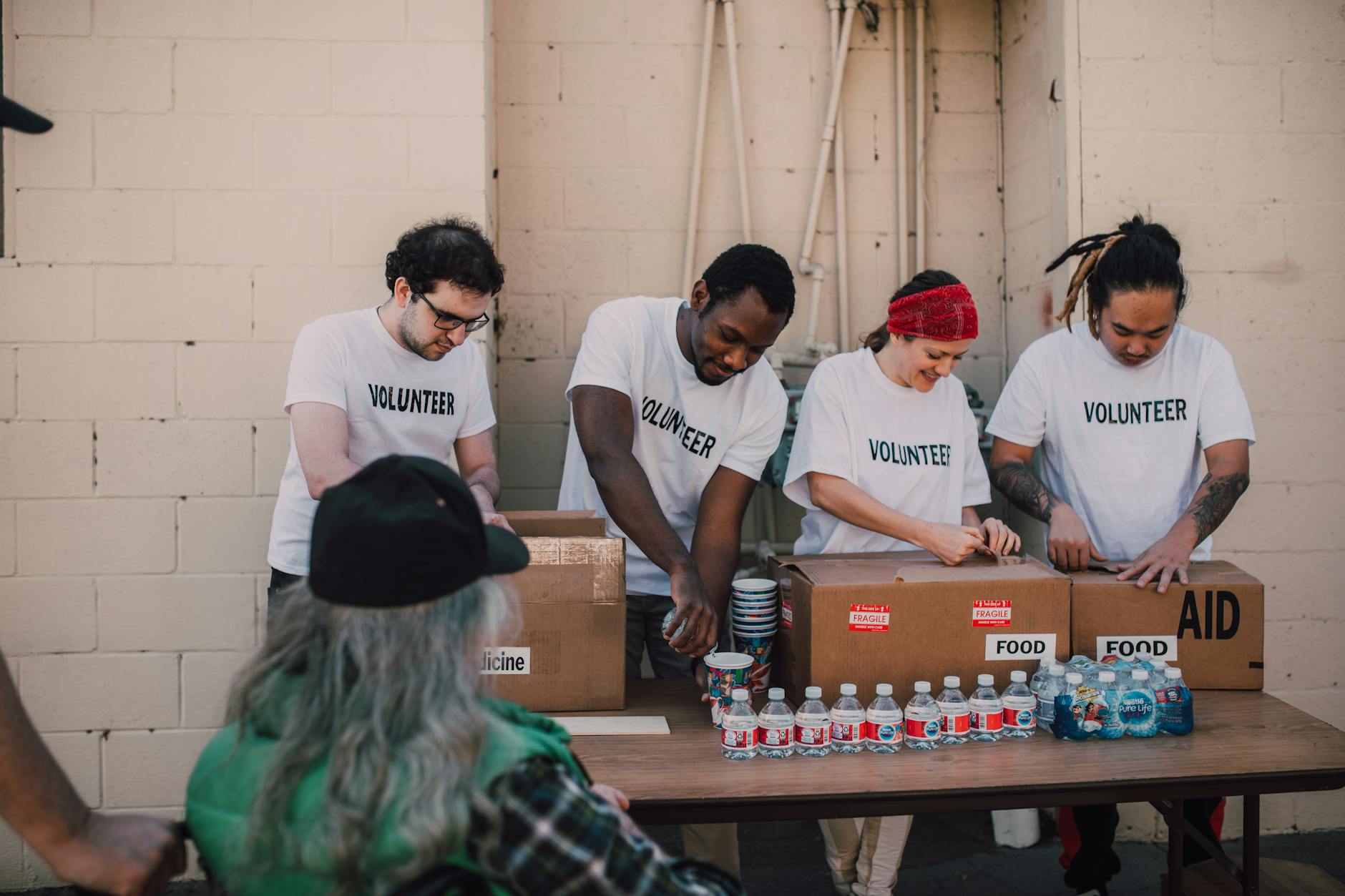
Tax implications are also worth understanding. Volunteers cannot claim tax relief on their time, but any out-of-pocket expenses reimbursed by a charity are not considered taxable income. If you use your own vehicle for volunteer duties, the approved mileage rate of 45p per mile for the first 10,000 miles applies. Keeping accurate records of expenses ensures you can substantiate any claims if questioned by HMRC, making the financial side of volunteering both transparent and advantageous.
| Organisation | Volunteer Perk | Estimated Annual Value |
|---|---|---|
| National Trust | Free property entry | £81 |
| English Heritage | Free site access | £75 |
| Royal Voluntary Service | Rewards points platform | £30–£60 |
| British Red Cross | Shop discount card | £20–£50 |
| Oxfam | Volunteer shop discount | £15–£40 |
| Cancer Research UK | Retail volunteer discount | £15–£35 |
Community Impact and Social Rewards
The social fabric of UK communities depends heavily on volunteers. From parish councils and neighbourhood watch schemes to food banks and youth clubs, voluntary effort is the backbone of local infrastructure. The Department for Digital, Culture, Media and Sport estimates that formal volunteering contributes the equivalent of 1.2 billion hours of work annually in England alone. Without this contribution, many essential services would simply cease to exist, placing unsustainable pressure on local authorities already operating under tight budgets.
For volunteers themselves, the social rewards are profound. Being part of a team working toward a shared goal creates bonds that often develop into lasting friendships. Community events organised by volunteers, whether a summer fete, a charity fun run, or a winter coat drive, foster a sense of local pride and cohesion that strengthens neighbourhoods. In areas facing economic challenges, volunteer-led initiatives such as repair cafés, skill-swap sessions, and community fridges provide practical support while building trust among residents. Much like the enthusiasm people show when searching for a puppy french bulldog for sale to welcome into their family, communities flourish when individuals invest energy and care into their local environment.
The ripple effect of volunteering extends across generations. Children who see their parents volunteer are significantly more likely to volunteer themselves as adults, according to research by the Institute for Volunteering Research. Schools that integrate volunteering into their programmes report higher levels of empathy, cooperation, and civic engagement among students. By volunteering today, you are not only improving your immediate community but also setting a precedent that shapes attitudes for decades to come.
How to Get Started and Maximise Your Volunteering Experience
Finding the right volunteer opportunity in the UK has never been easier, thanks to digital platforms and local infrastructure. Websites such as Do-it.org, the UK’s largest volunteering database, list over 1.7 million opportunities searchable by location, cause, and time commitment. Volunteer centres exist in most towns and cities, offering face-to-face guidance and matching services. The NCVO’s Volunteering Hub provides resources for both individuals and organisations, ensuring that placements are well-structured and mutually beneficial.
When choosing a role, consider your motivations carefully. If career development is a priority, seek positions that align with your professional goals and offer training or mentorship. If wellbeing is your focus, outdoor or animal-related roles may be particularly rewarding. Those with specialist skills in areas like accountancy, legal advice, IT support, or marketing will find that pro bono services are in enormous demand. Breed-specific animal rescues, for instance, sometimes need volunteers who can help with adoption screening; you might assist families looking for a puppy french bulldog for sale uk or help an english bulldog puppy for sale near me search connect with responsible breeders rather than puppy farms.
Setting realistic expectations is crucial for a sustainable volunteer commitment. Starting with two to four hours per week allows you to assess the fit without overcommitting. Most organisations provide induction training, DBS checks where required, and ongoing support from a volunteer coordinator. Tracking your hours and achievements in a volunteer log creates a valuable record for CV purposes and personal reflection. The volunteering benefits and rewards multiply when the experience is enjoyable and aligned with your values.
- Step 1: Identify your interests, skills, and available time
- Step 2: Search Do-it.org or contact your local volunteer centre
- Step 3: Attend an induction session and complete any required checks
- Step 4: Start with a trial period of 4–6 weeks to assess the fit
- Step 5: Request references or certificates after sustained commitment
- Step 6: Expand your involvement or try a different role as your confidence grows
Frequently Asked Questions
How does volunteering improve your employability in the UK job market?
Volunteering directly improves employability by providing demonstrable evidence of transferable skills that employers actively seek. According to a Reed survey of 500 UK hiring managers, candidates who listed voluntary experience were 27% more likely to be invited to interview than those without. The skills gained through volunteering, including project management, communication, teamwork, and problem-solving, are often identical to those required in paid roles. Furthermore, volunteering fills gaps in employment history with productive activity, which reassures recruiters about a candidate’s motivation and work ethic. Many charities also offer formal training in areas such as first aid, safeguarding, food hygiene, and mental health first response, qualifications that add concrete value to any CV regardless of sector.
Is volunteering suitable for people with limited free time or mobility?
Volunteering is remarkably flexible and accessible, with options available for virtually every schedule and ability level. Micro-volunteering, which involves tasks that can be completed in minutes from a smartphone or computer, has grown significantly in recent years. Platforms such as Be My Eyes connect sighted volunteers with visually impaired users for brief video calls, while online mentoring programmes allow knowledge sharing without leaving home. For those with mobility challenges, telephone befriending services operated by Age UK and the Royal Voluntary Service provide meaningful social contact with as little as one hour per week. Administrative roles, data entry, and remote fundraising coordination are also widely available. Even occasional event-based volunteering, such as marshalling a local parkrun or helping at a one-off community sale, offers the core volunteering benefits and rewards without requiring an ongoing weekly commitment.
What are the most rewarding types of volunteering for families in the UK?
Family volunteering is one of the fastest-growing segments in the UK voluntary sector, with organisations increasingly designing roles suitable for parents and children together. Conservation projects run by the Wildlife Trusts welcome families for weekend habitat management sessions, combining outdoor exercise with environmental education. Community litter picks organised through Keep Britain Tidy are accessible to all ages and require no special skills or equipment. Animal shelters sometimes accept family volunteers for socialisation tasks, where children can help care for residents ranging from rabbits and cats to dogs awaiting adoption, and families interested in pet ownership sometimes discover options like a puppy bulldog for sale near me or a british bulldog puppy for sale near me through shelter networks rather than commercial sources. Food banks such as the Trussell Trust offer sorting and packing roles that teach children about food poverty in a hands-on way. The shared experience of volunteering strengthens family bonds while modelling civic responsibility, making it one of the most rewarding activities a family can undertake together.
