

British Traditions of Bonfire Night: History, Food and Safety
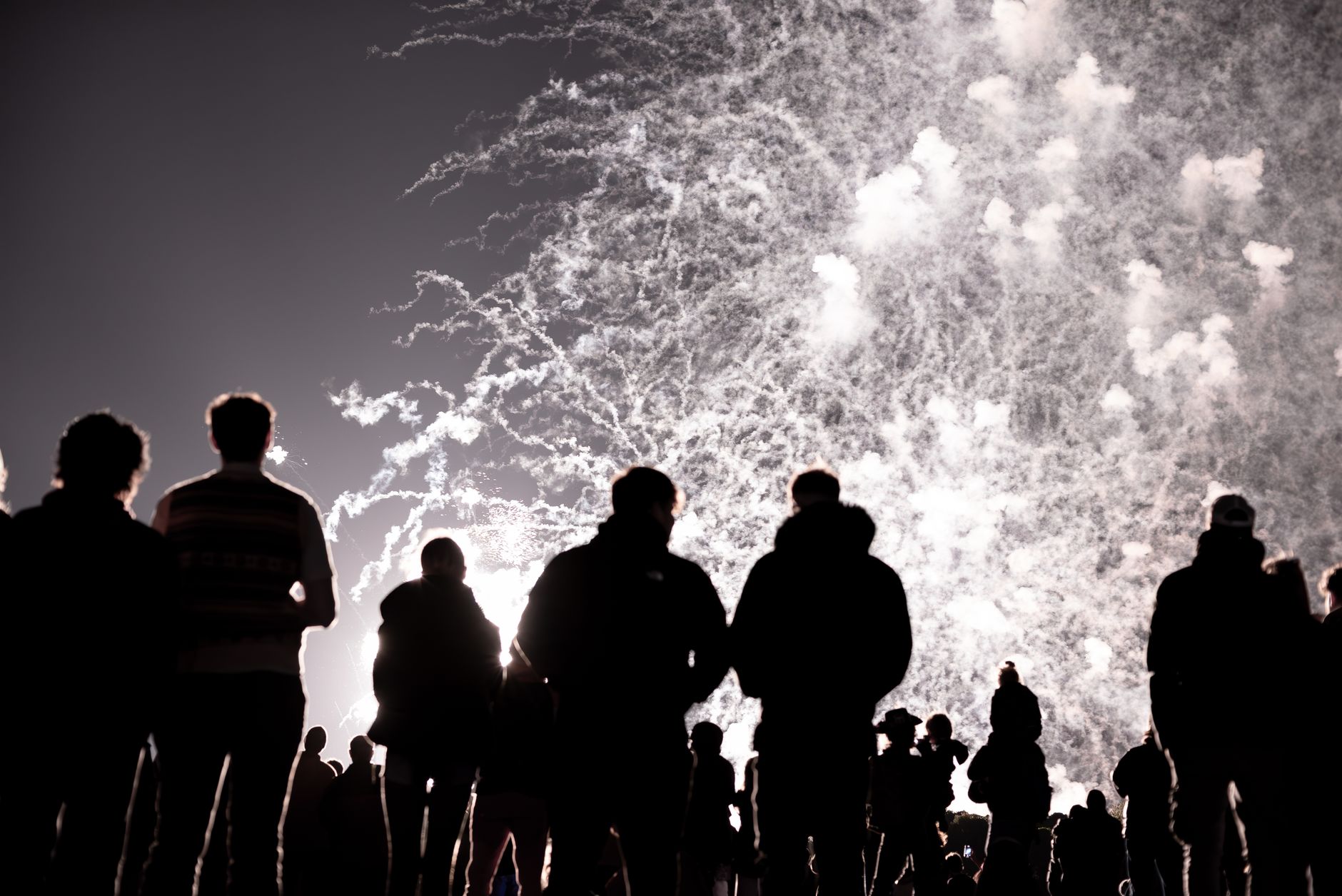
The british traditions of bonfire night have survived four centuries of changing politics, weather and taste, and they still fill parish fields across the country every 5 November. Anyone unpacking the british traditions of bonfire night for the first time will find a layered event: part historical commemoration, part harvest-style community supper, part fireworks spectacle run by volunteers with radios and hi-vis jackets. A village display in Yorkshire may cost £6 on the gate and burn two tonnes of pallet wood, while a town committee in Sussex can spend £25,000 on pyrotechnics alone. Between those extremes sit thousands of back-garden gatherings with a chiminea, a bag of sparklers and a tray of jacket potatoes. This guide sets out where the rituals came from, how organisers actually run them, what the food and budgets look like, and how to protect the animals who share the night with you.
Where the British Traditions of Bonfire Night Began
The story starts with a cellar beneath the House of Lords and 36 barrels of gunpowder, discovered in the early hours of 5 November 1605. Guy Fawkes was the man found guarding them, although Robert Catesby led the conspiracy. Londoners were encouraged to light celebratory fires that same night, and the habit stuck.
Parliament then passed the Observance of 5th November Act in 1606, which made an annual service of thanksgiving compulsory across England. That statute stayed on the books for more than 250 years before its repeal in 1859, by which point church bells, sermons and street bonfires had fused into a single folk ritual.
Effigies changed as politics changed. Early crowds burned figures of the Pope; later generations settled on Fawkes himself, wheeled through the streets by children collecting a penny for the guy. Lewes in Sussex still runs six bonfire societies and torchlit processions that draw crowds several times larger than the town population.
From Gunpowder Plot to Parish Bonfire
Rural parishes adopted the date partly because it sat close to older autumn fire festivals, at the point in the year when hedge trimmings, orchard prunings and broken pallets needed clearing anyway. The bonfire solved a practical problem and gave the village an excuse to gather before winter shut everything down.
That double purpose explains why the british traditions of bonfire night outlived other calendar customs. A night that clears rubbish, feeds neighbours and entertains children pays for itself, which is why cricket clubs, scout groups and parish councils still build the pyre every autumn without needing a committee vote.
How Communities Stage a Modern Bonfire Night
Organised displays run on a schedule that starts in spring. Committees book a pyrotechnics contractor, apply for a temporary event notice, arrange public liability cover of at least £5 million, and agree a site plan with the local fire service. Ticket revenue usually has to cover every line of that budget.
On the night, marshals manage a firing zone with a minimum 25-metre spectator gap for category F3 shells and considerably more for larger calibres. A typical village display burns through £1,500 to £4,000 of product in roughly eleven minutes, while town events routinely spend five figures on the same running time.
Crowd numbers decide the format. Under 500 people, a single firing line and a rope barrier work perfectly well. Above 2,000, organisers add timed entry, cashless bars and a separate funfair, because the bonfire itself only holds a child’s attention for about twenty minutes before the queues matter more.
| Event type | Typical ticket price | Crowd size | Planning lead time |
|---|---|---|---|
| Village field display | £5 to £8 adult | 300 to 800 | 4 to 5 months |
| Town council display | £10 to £18 adult | 3,000 to 10,000 | 9 to 12 months |
| Sports club fundraiser | £6 to £12 adult | 500 to 1,500 | 3 to 4 months |
| Torchlit procession | Free entry, bucket collection | 5,000 plus | 12 months |
| Back-garden gathering | £40 to £150 total spend | 6 to 25 | 2 weeks |
Parkin, Toffee Apples and the Bonfire Night Menu
Parkin is the defining bake of the night across Yorkshire and Lancashire: medium oatmeal, black treacle, golden syrup and a heavy hand of ground ginger. The cake improves in a tin for three to five days, softening into something sticky rather than crumbly, which is why sensible cooks bake it the weekend before.
Toffee apples and bonfire toffee carry the same logic of sugar plus cold weather. Treacle toffee sets hard enough to need a small hammer, and stalls typically charge £1.50 to £3 for a bag. Cinder toffee, aerated with bicarbonate of soda, gives the same hit with less dental risk.
Hot food keeps queues moving. Jacket potatoes wrapped in double foil and buried at the fire’s edge take about 50 minutes, hot dogs clear a stall fastest, and mulled cider or spiced apple juice usually sells at £2.50 to £5 a cup. Soup in a flask covers the walk home.
- Parkin, baked 3 to 5 days ahead, roughly £2 per portion to make
- Toffee apples, about 40p each in ingredients, £2.50 on a stall
- Jacket potatoes with butter and cheese, 50 minutes in the embers
- Bonfire toffee or cinder toffee, one tray feeds 20 people
- Mulled cider for adults, spiced apple juice for children
Keeping Pets Calm When the Fireworks Start
Fireworks are the part of the night animals remember. Around 45 per cent of UK dogs show clear fear responses to bangs, and households that welcomed a young animal during the summer will face that first November with a dog who has no reference point at all for the noise.
Flat-faced breeds attract a great many first-time owners, and demand for a french bulldog puppy for sale tends to peak in late summer. That timing means a lot of Frenchies meet their first display at four or five months old, right at the tail end of the socialisation window when new sounds imprint hardest.
Preparation beats reaction. Close curtains before dusk, leave a radio or television running at moderate volume, feed the main meal early while the dog is still relaxed, and set up a covered den with familiar bedding. Calming diffusers need three to seven days of use before the night to reach useful levels.
Breeds That Struggle Most With Loud Nights
An advert written as a puppy french bulldog for sale, a puppy for sale french bulldog, or a french bulldog puppy for sale uk all describe the same animal with the same nervous system. Brachycephalic dogs cool themselves by panting, and stress panting compounds quickly in a warm, closed room, so ventilation matters as much as sound insulation.
Owners weighing an english bulldog puppy for sale near me against a puppy bulldog for sale near me, a british bulldog puppy for sale near me, or an american bulldog puppy for sale near me will find the broad-headed breeds share a stoic reputation that hides real distress. Trembling, drooling, hiding under furniture and refusing food are all signals worth acting on rather than praising away.
Budgeting a Safe Bonfire Night at Home
Consumer fireworks sold to the public are category F2, requiring a minimum 8 to 20 metre safety distance depending on the item. Selection boxes run from £25 to £120, and a decent 25-shot barrage costs £35 to £70. Retailers may only sell to over-18s during defined seasonal windows.
Sparklers reach roughly 1,600 degrees Celsius, hot enough to melt steel, so gloves and a metal bucket of water for spent sticks are non-negotiable with children under twelve. Rebuild any stacked bonfire on the day itself: hedgehogs move into woodpiles within hours, and a fork through the base before lighting is the only reliable check.
Factor pet costs into the same budget. Anxiety wraps cost £20 to £45, vet-prescribed medication for a severely reactive dog runs £30 to £80, and a french bulldog puppy price uk buyers typically encounter sits between £1,800 and £3,500. A blue french bulldog puppy for sale or a mini bulldog puppy for sale is often advertised higher still, which makes prevention cheaper than a night of damage and injury.
- Set a firing time before 10pm so neighbours can settle animals
- Keep a bucket of sand and a bucket of water within three metres
- Never return to a firework that has failed to light
- Microchip details updated before the first display of the season
- Walk dogs in daylight and keep cats indoors from mid-afternoon
How Do You Keep a Nervous Puppy Calm on Bonfire Night?
Start a week ahead with low-volume firework recordings played during meals and play, raising the volume only while the puppy stays relaxed. On the day, walk before dusk, feed early, and build a den from a covered crate lined with bedding that already smells of home. Owners who bought through a puppy french bulldog for sale uk listing should ask the breeder whether sound desensitisation began in the litter, since eight weeks of early exposure changes outcomes markedly. During the display, stay calm and present, allow hiding, and comfort the dog if it seeks contact. Never punish fear, and never take a young dog to a public display.
Is It Legal to Set Off Fireworks in Your Garden on Bonfire Night?
Yes, within limits. Adults over 18 may buy and use category F2 and F3 fireworks on private land with the occupier’s permission. The general curfew bans use between 11pm and 7am, extended to midnight on 5 November, 1am for New Year, Diwali and Chinese New Year. Setting off or throwing fireworks in a street or public place is an offence, and breaches can carry fines up to £5,000 alongside a possible custodial sentence of six months. Councils may add restrictions in parks and on commons, so check local rules. Notifying neighbours with livestock, horses or elderly dogs a few days ahead avoids most disputes entirely.
What Food Should You Serve at a Bonfire Night Party?
Build the menu around food that survives cold hands and a dark garden. Jacket potatoes cooked in the embers, sausages in rolls, thick soup in flasks and chilli served in mugs all work without cutlery. For sweet courses, parkin baked several days earlier delivers the best texture, and toffee apples plus treacle toffee cover the traditional element for roughly 40p to 60p a head in ingredients. Mulled cider suits adults; spiced apple juice keeps children warm without caffeine. Budget around £4 to £6 per guest for a full spread, and prepare everything indoors beforehand so nobody is cooking while the fireworks run.
