
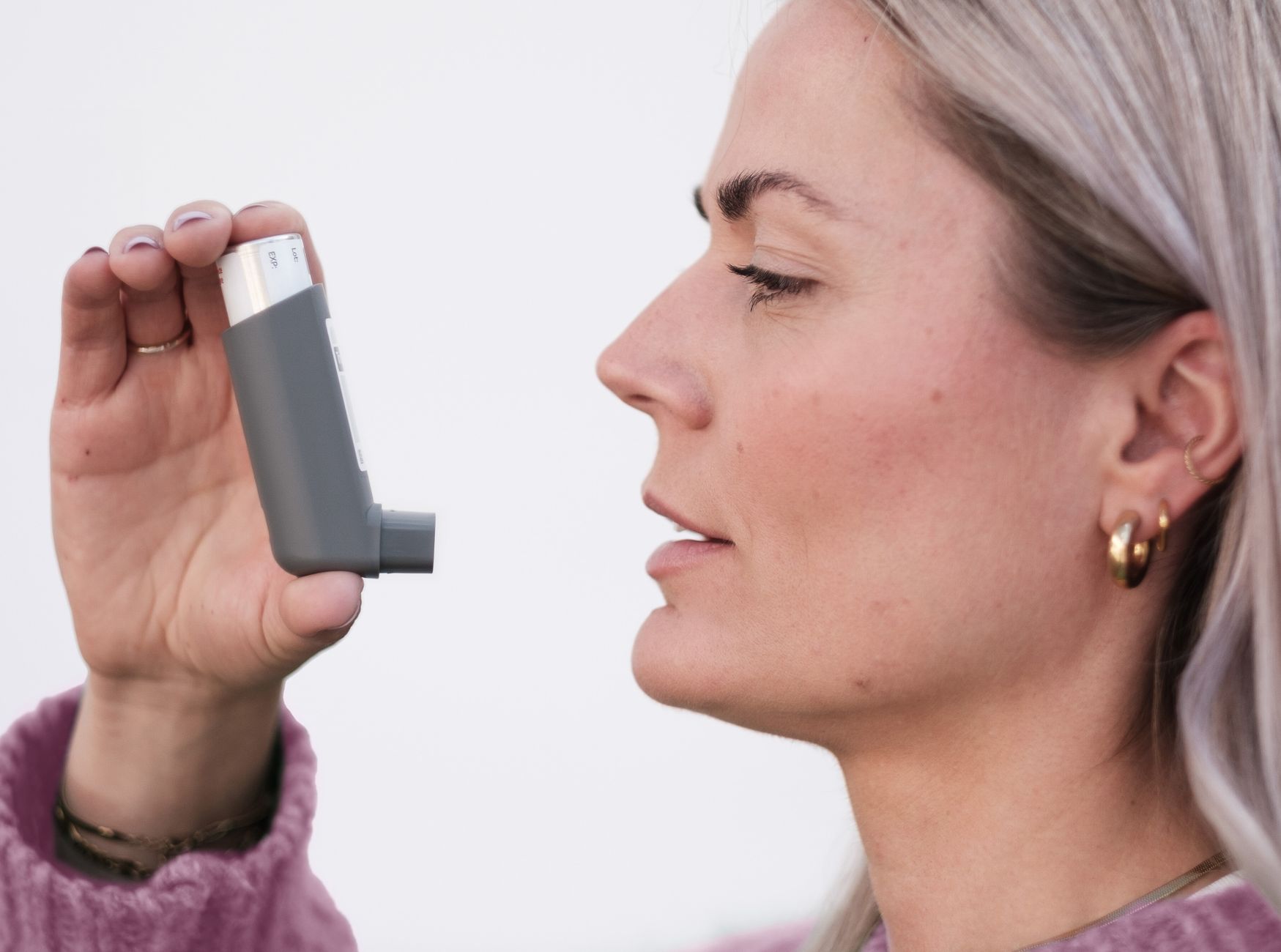
Allergic Asthma Charities: How UK Community Support Really Works
Allergic asthma charities occupy a quiet but decisive place in UK community health, funding research, staffing helplines and training school staff who may one day need to use a spare inhaler in an emergency. Families across the country lean on allergic asthma charities when a diagnosis lands and the next NHS appointment is still six weeks away. Around 5.4 million people in the UK receive asthma treatment, and roughly eight in ten report that allergens — pollen, dust mites, mould spores, animal dander — set off their symptoms. That overlap explains why allergy and asthma organisations increasingly operate as a single sector rather than two separate ones. This guide sets out what these organisations deliver, how their income is spent, what local branches actually look like in towns and boroughs, and how households handle practical decisions such as pet ownership, home adaptations and school care plans without relying on guesswork.
What These Charities Deliver Beyond Awareness Campaigns
The core offer is practical rather than abstract. Specialist respiratory nurses answer calls about inhaler technique, spacer cleaning and steroid tapering. Written asthma action plans are posted free of charge. Research grants ranging from £40,000 to £250,000 fund studies into eosinophilic inflammation and biologic therapies that reach NHS clinics years later.
Advocacy sits alongside direct services. Policy teams gather evidence on air quality, damp social housing and prescription charges, then present it to councils and parliamentary committees. When a primary school refuses to hold an emergency salbutamol inhaler, a template letter drafted by a charity legal adviser usually settles the dispute within a fortnight, without any cost to the family.
Helplines, Nurses and Written Action Plans
Helpline volumes climb sharply each September and again during thunderstorm asthma events. Calls average eleven minutes. Roughly a third conclude with a recommendation to book a medication review, a quarter with corrected inhaler technique, and the rest with reassurance. That informal triage takes measurable pressure off GP surgeries and out-of-hours services.
Training is the quieter half of the work. Free accredited modules for teachers, childminders and sports coaches cover trigger recognition, peak flow readings and when to call 999. A single half-day session for thirty staff costs a charity roughly £600 to deliver and protects several hundred pupils for an entire academic year.
Local Branches, Hubs and Community Groups Across the UK
National brands attract the headlines, but the day-to-day contact happens locally. Branch volunteers run monthly meetups in libraries, leisure centres and community halls, often with a visiting pharmacist. Attendance typically sits between eight and twenty-five people, which keeps conversation genuinely useful rather than lecture-shaped.
Local groups also solve local problems. A branch might map pollen-heavy routes to school, lobby a housing association over persistent bathroom mould, or arrange bulk purchase of anti-allergen mattress covers at £22 each instead of the £45 retail price. These wins rarely make the news, yet they change how a household breathes.
Peer contact matters for adults too. Late-onset allergic asthma frequently arrives after a house move, a new pet or a workplace change, and the isolation that follows is real. Group members swap information about occupational health referrals, air purifier models and which supermarket cleaning ranges avoid the most aggressive fragrance compounds.
Pets, Dander and the Puppy Question Families Keep Asking
Animal dander ranks among the most stubborn indoor triggers, staying airborne for hours and clinging to carpets and soft furnishings for months after an animal leaves. Charity advisers field the same question weekly: can we keep a dog? The honest answer depends on sensitisation testing, ventilation and cleaning routines, not on breed marketing.
Search behaviour tells its own story. A household will type french bulldog puppy for sale one evening and ring an asthma helpline the next morning. Breeders advertising a puppy french bulldog for sale seldom mention allergens at all, and listings phrased as puppy for sale french bulldog almost never explain that no dog is truly hypoallergenic.
Regional wording shifts the results without shifting the biology. Buyers compare a french bulldog puppy for sale uk advert against a puppy french bulldog for sale uk listing, or narrow things down with english bulldog puppy for sale near me. Charity guidance asks families to spend several hours in contact with the specific animal before committing to any of them.
Breed Searches, Costs and Realistic Expectations
Money shapes the decision as much as health does. A typical french bulldog puppy price uk range runs from £1,500 to £3,500, while a blue french bulldog puppy for sale can climb well beyond that. Searches for puppy bulldog for sale near me, british bulldog puppy for sale near me and mini bulldog puppy for sale return broadly similar spreads.
Flat-faced breeds carry their own respiratory burden, which complicates a household already managing airway disease. Anyone weighing an american bulldog puppy for sale near me advert should also budget for pet insurance at £35 to £80 monthly, HEPA filtration around £150, and one bedroom kept permanently animal-free.
Where the Money Goes: Funding, Spending and Transparency
Income streams are less mysterious than people assume. Legacies and individual giving dominate, corporate partnerships fill gaps, and government grants cover specific projects. Registered charities publish annual accounts, so anyone can check the ratio of charitable activity to fundraising costs before parting with a single pound.
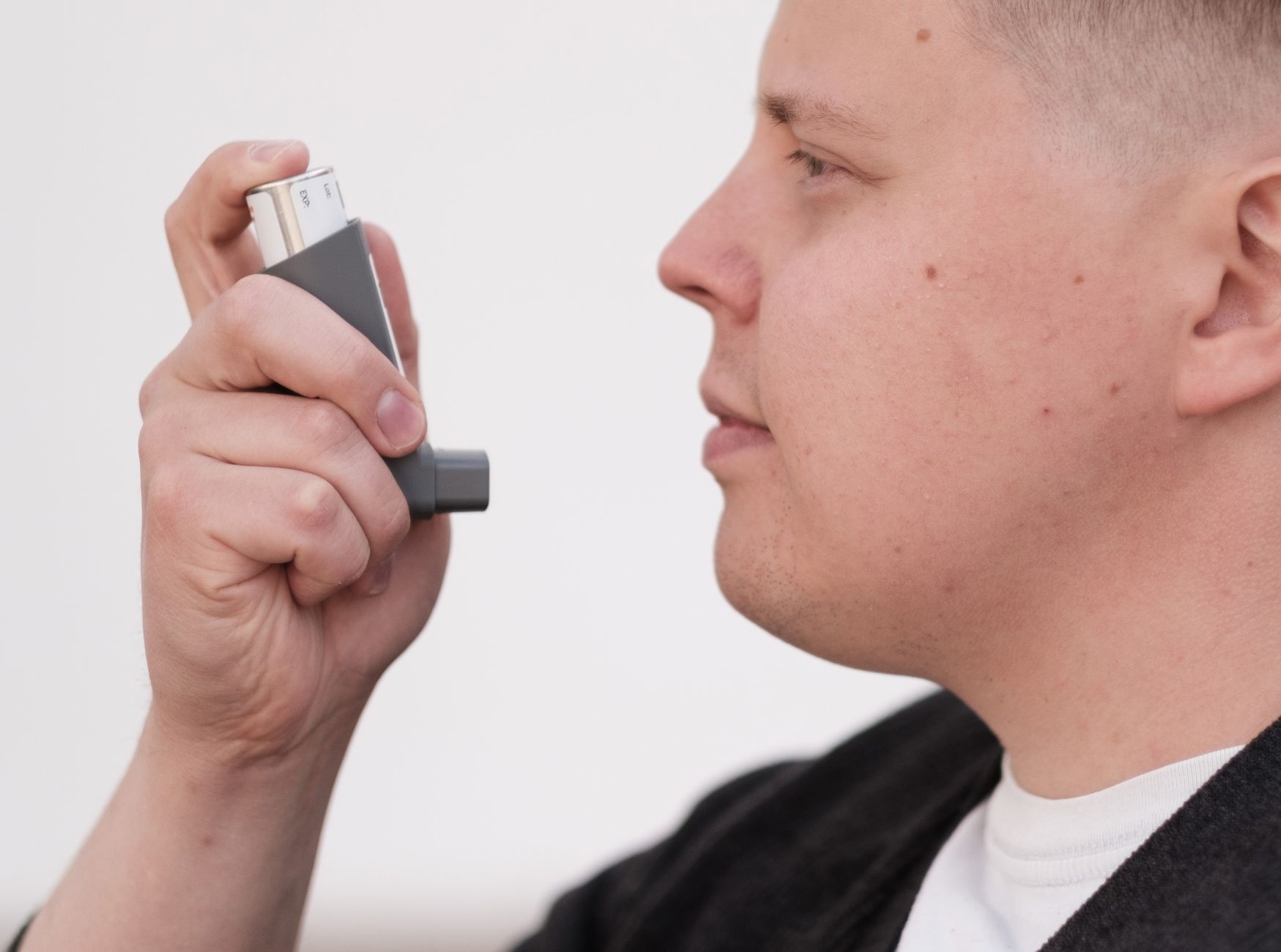
A reasonable benchmark is 75 to 85 pence of every pound reaching charitable activity. Anything below 65 pence deserves a closer read of the trustees report rather than an instant judgement, since one-off building costs or a major recruitment drive can distort a single financial period quite legitimately.
| Spending Area | Typical Share | Cost Example |
|---|---|---|
| Research grants | 30-40% | £120,000 per three-year study |
| Helpline and nurse services | 20-25% | £18 per supported call |
| Schools and workplace training | 10-15% | £600 per half-day session |
| Policy and campaigning | 8-12% | £25,000 per evidence report |
| Fundraising and governance | 15-20% | Varies by income mix |
Getting Involved: Volunteering, Fundraising and Practical Help
Volunteering does not require clinical training. Branches need treasurers, minute takers, drivers, social media helpers and people willing to staff a stall at a village fete. A four-hour monthly commitment is enough to keep a small group functioning, and most organisations reimburse travel at 45 pence per mile.
Fundraising works best when it is specific. Telling supporters that £250 funds a school training session lands better than a vague appeal. Community pubs, running clubs and workplace matched-giving schemes routinely raise £1,000 to £5,000 per event, and gift aid adds another 25 percent at no cost to the donor.
- Answer helpline calls after accredited training, typically 12 hours
- Host a coffee morning raising £150 to £400 in an afternoon
- Deliver air quality leaflets to damp-prone housing estates
- Share lived experience for research panels and policy consultations
- Leave a legacy gift, which funds roughly 40 percent of sector research
How Do Allergic Asthma Charities Support a Newly Diagnosed Family?
Support begins with information that a rushed ten-minute consultation cannot cover. Most allergic asthma charities post a free starter pack containing a personalised action plan template, a peak flow diary and plain-English guidance on preventer versus reliever inhalers. A nurse-led helpline then walks carers through spacer technique, which corrects the single most common error in paediatric asthma.
Beyond that first month, families gain access to school liaison templates, allergen reduction checklists and local peer groups. Practical loans matter too: some branches lend peak flow meters and air quality monitors for two-week trials, saving households £60 to £180 on equipment they may not ultimately need.
Financial guidance rounds it out. Advisers explain prescription prepayment certificates, which cap annual costs at roughly £115, and help eligible households apply for disability benefits where symptoms are severe and persistent.
Is It Safe to Own a Dog With Allergic Asthma?
It can be, though the decision belongs to a clinician rather than a breeder. Specific IgE testing identifies whether dog dander is an actual trigger for that individual. Where sensitisation is confirmed and symptoms are already poorly controlled, adding a dog usually worsens outcomes regardless of coat type or grooming schedule.
Where testing is negative or sensitisation is mild, mitigation makes ownership workable. Keep bedrooms permanently animal-free, run HEPA filtration in main living areas, replace carpet with hard flooring where budget allows, and wash bedding weekly at 60 degrees. Bathing the dog fortnightly measurably lowers airborne allergen load.
Run a trial before buying. Spend three or four separate visits with the actual animal, monitoring peak flow readings morning and evening. A drop exceeding 15 percent is a clear signal to reconsider, and a responsible breeder will accept that reasoning without pressure.
What Should I Check Before Donating to an Asthma Charity?
Start with the register. Every legitimate organisation in England and Wales carries a Charity Commission number, with equivalents in Scotland and Northern Ireland. The register shows annual income, trustee names, filing history and whether accounts have been submitted late, which is often the earliest warning sign of internal difficulty.
Read the annual report rather than the appeal leaflet. Look for named research projects, measurable service numbers such as helpline calls answered, and a clear statement of reserves policy. Organisations holding more than two years of operating costs in reserve should explain why in writing.
Finally, match the charity to your intention. Some fund laboratory research almost exclusively, others concentrate on frontline services and community groups. Both are valuable, but a donor wanting local impact in their own town should give to a branch-based organisation rather than a research-only foundation.
