
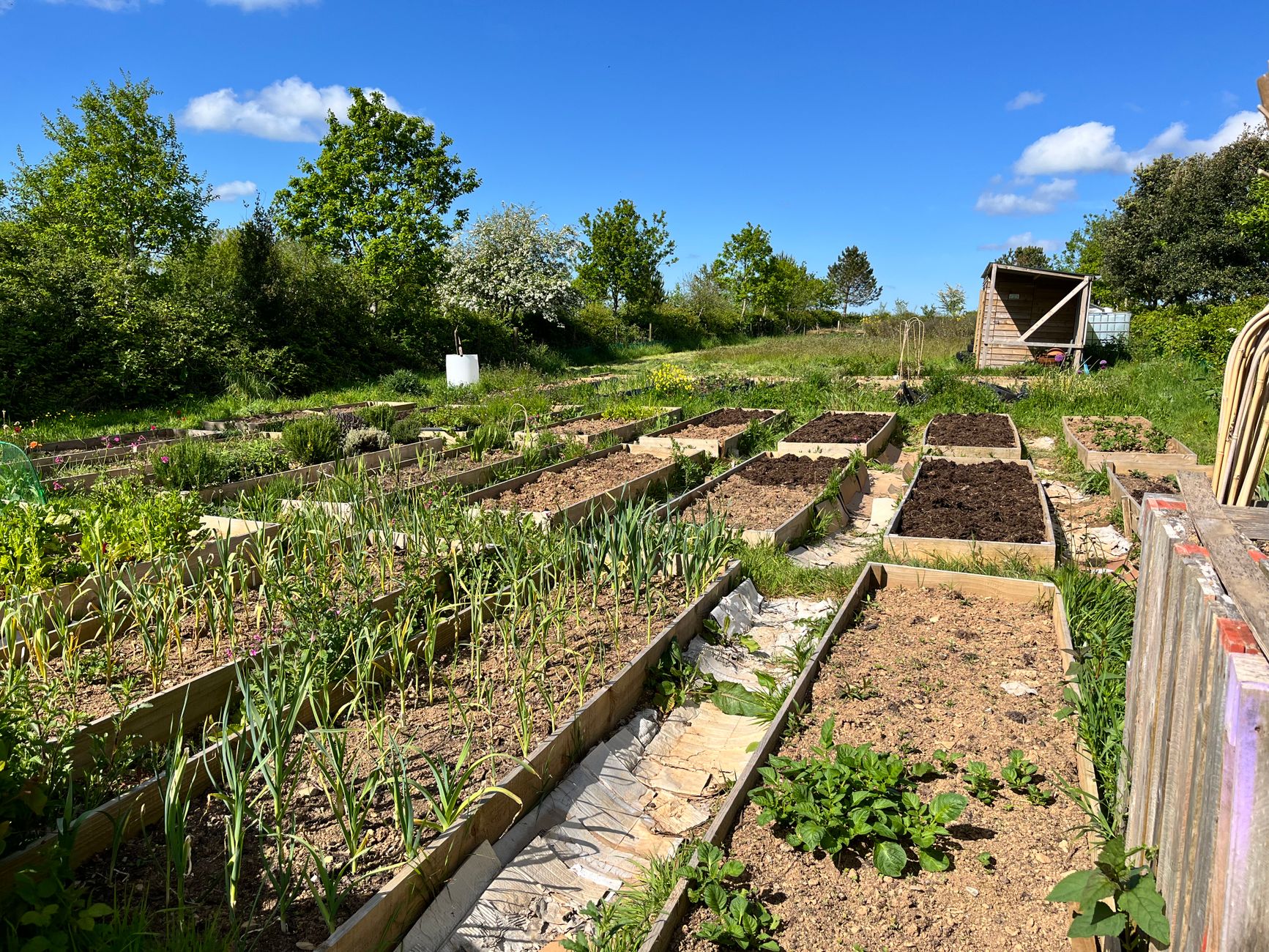
Allotment Gardening UK: A Complete Beginner’s Guide to Growing Your Own
Allotment gardening UK style remains one of the cheapest, most productive hobbies available to anyone with a few spare hours each week. A standard 10-rod plot measuring roughly 250 square metres typically costs between £25 and £125 per year depending on the council, and a well-managed plot of that size can yield 150 to 250 kilograms of vegetables annually — potatoes, onions, leeks, brassicas, courgettes, runner beans and soft fruit. Compared with supermarket prices, that harvest is worth £600 to £900 at retail, which means the plot rent pays for itself within the first six weeks of the summer glut. This guide covers waiting lists, plot selection, soil preparation, tool budgets, a realistic first-year cropping plan, and the practical rhythms of a shared site. Expect specifics: measurements, prices in pounds, product names and timings rather than vague encouragement.
How the UK Allotment System Actually Works
Allotments in Britain are protected by legislation dating back more than a century, and most sites are owned by parish, town, borough or county councils. Six or more registered electors in a parish can formally request that their council provide plots, which is the legal lever community groups use when demand outstrips supply. Some sites are privately owned or managed by railway companies and charities.
Waiting lists vary enormously by geography. In parts of inner London the queue can run eight to twelve years, while rural Lincolnshire, Cumbria and parts of Wales often have plots free within three months. Register at several sites at once, since there is rarely a penalty for holding multiple applications, and phone the site secretary directly rather than relying only on an online form.
Plots are measured in rods, an old surveying unit equal to about 25 square metres. A full 10-rod plot suits an ambitious household of four; a half plot at five rods, roughly 125 square metres, is far more realistic for a first year. Many councils now subdivide vacant full plots specifically to reduce abandonment rates among new tenants.
What Your Tenancy Agreement Really Requires
Tenancy agreements typically demand that at least 75 per cent of the plot stays under cultivation, ban bonfires outside set months, restrict structures to one shed and one greenhouse, and prohibit subletting. Breaches trigger a written warning, then a 28-day notice to improve. Read the document properly before signing, because rules on hosepipes, dogs and trees differ sharply between neighbouring sites.
Choosing and Assessing Your First Plot
When the offer arrives, walk the plot before accepting. Look at aspect first: a site sloping gently south collects noticeably more spring warmth and dries out earlier, letting you sow broad beans and early potatoes a fortnight ahead of a north-facing neighbour. Note overhanging trees, since mature sycamores steal both light and soil moisture for several metres beyond their canopy.
Test the drainage by digging a 30-centimetre hole, filling it with water and timing how long it takes to disappear. Anything over four hours signals compaction or heavy clay that will need raised beds or deep organic matter. Also check for perennial weeds — couch grass, bindweed and horsetail each demand a different removal strategy and roughly 20 to 40 hours of initial labour per five rods.
Proximity matters more than plot quality. A slightly weedy plot ten minutes from home beats a pristine one forty minutes away, because allotments reward frequent short visits rather than occasional marathons. Watering seedlings in a June dry spell needs three visits a week, and the same logic applies to whichever parks for dog walking near me you already use — routine beats ambition every time.
Water, Shelter and Storage on Site
Most sites supply communal standpipes but forbid sprinklers and hoses. Budget for two 210-litre water butts fed from a shed roof, around £35 each, plus a galvanised watering can at £20. A 6ft by 4ft shed costs £250 to £450 new, though second-hand sheds appear on site noticeboards for £50 to £80 regularly.
Soil Preparation, Tools and Realistic Start-Up Costs
Skip the rotavator. Cover cleared ground with cardboard and 10 centimetres of well-rotted manure in autumn, and by March the worms will have done most of the work. Local stables often give manure away free if you collect it, or charge £30 to £50 for a delivered tonne bag. A soil pH test kit costs £8 and tells you whether brassicas need lime.
Core tools for uk allotment gardening total about £180 if bought sensibly: stainless border spade £35, digging fork £30, Dutch hoe £22, hand trowel £10, secateurs £18, wheelbarrow £45, and a garden line £6. Buy second-hand carbon-steel tools where possible — a 1970s Spear and Jackson fork found at a car boot sale for £8 will outlast most modern equivalents by decades.
The table below sets out a typical first-year budget so you can plan spending across the seasons rather than absorbing it all in one month.
| Item | Typical cost (GBP) | When needed |
|---|---|---|
| Plot rent (5 rods) | £20 – £60 per year | On signing |
| Core hand tools | £150 – £180 | First month |
| Manure and compost | £40 – £90 | Autumn or early spring |
| Seeds and seed potatoes | £35 – £60 | January to March |
| Water butts and cans | £70 – £100 | Before summer |
| Netting, canes, fleece | £45 – £70 | Spring |
A Practical First-Year Cropping Plan
Grow what is expensive to buy and easy to raise. Maincrop potatoes, onion sets, runner beans, courgettes, chard, kale and rhubarb forgive beginner mistakes and produce heavy yields. Leave cauliflower, celery and aubergines for year three. One 3-metre row of Charlotte potatoes returns roughly 12 kilograms from £4 of seed tubers.
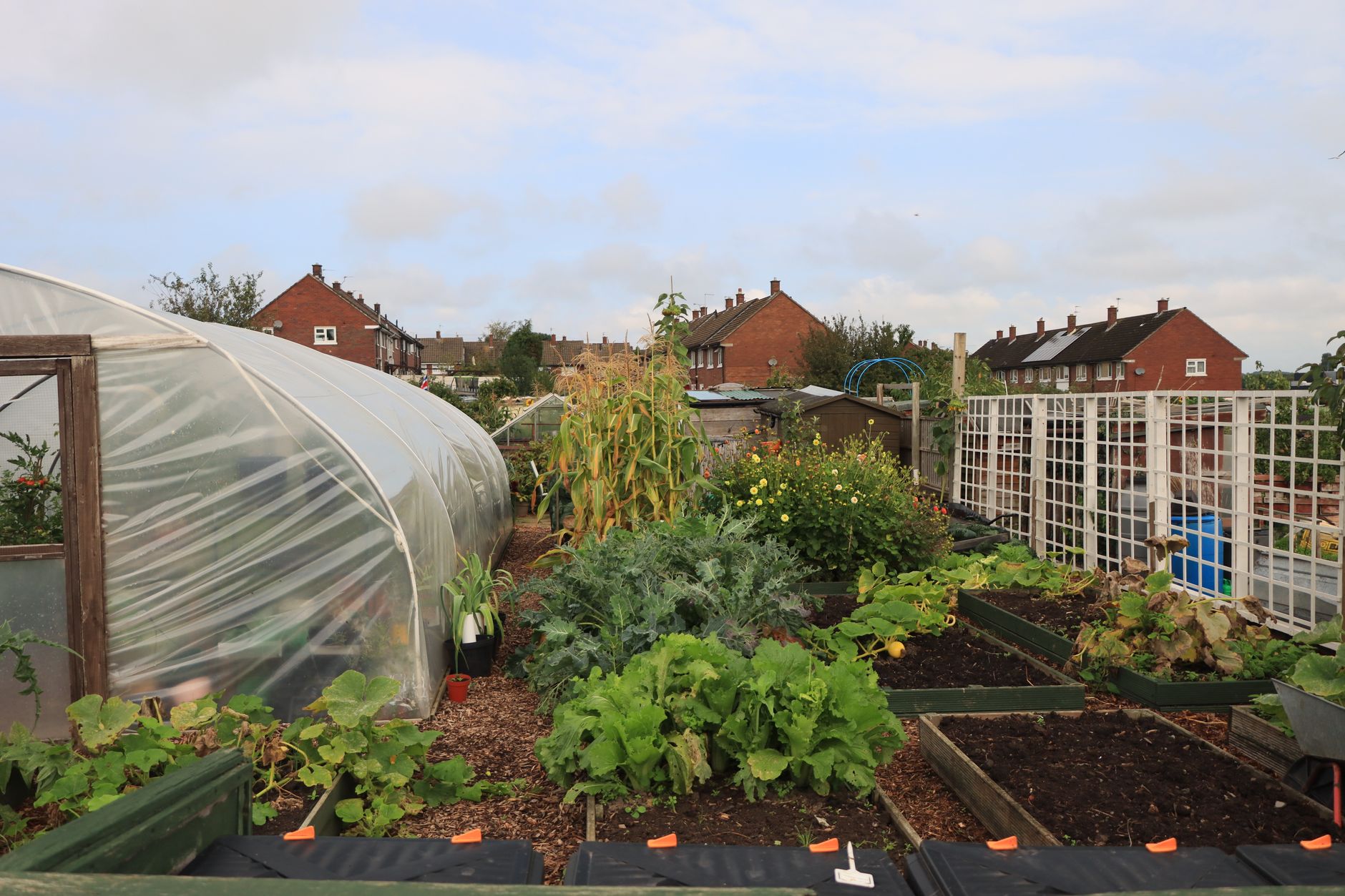
Divide the plot into four beds and rotate groups annually: potatoes, then legumes, then brassicas, then roots and onions. This four-year cycle reduces club root and eelworm pressure without chemicals. Keep a fifth permanent bed for raspberries, blackcurrants and asparagus, which stay put for a decade or more and reward the space generously.
- February — chit seed potatoes, order netting, service tools, spread lime where needed
- March — sow broad beans, plant onion sets, prepare potato trenches
- April — plant first and second early potatoes, sow carrots and beetroot direct
- May — plant out courgettes and runner beans after the last frost, net brassicas
- July — lift earlies, sow autumn salads, water deeply twice weekly
- October — plant garlic, mulch beds, plan next season’s rotation
Track everything in a cheap notebook: sowing dates, varieties, yields and failures. Growers who keep records for three seasons consistently outperform those who improvise, because British weather patterns reward local knowledge over generic packet instructions.
Community, Balance and Getting the Most From Your Plot
An allotment site is a genuine community. Neighbours share surplus seedlings, lend rotavators, water your plot during holidays and pass on decades of local knowledge about frost pockets and slug pressure. Joining the site association usually costs £5 to £15 annually and unlocks bulk seed discounts through the National Allotment Society scheme, often saving 30 to 40 per cent.
Plot management fits neatly around other interests. Many plotholders return from exploring the best uk travel destinations to a fortnight of overgrown paths, so arrange watering swaps before you go. If you research travel destinations in uk terms of driving distance, the same fifteen-minute rule that makes a plot sustainable applies to weekend trips — and holders comparing Hays travel destinations from UK airports for winter breaks often time them for the quiet January window.
Surplus produce feeds other hobbies. Rhubarb, gooseberries and Bramley apples fuel great british baking recipes through late summer, and a glut of courgettes converts into the loaf cakes that fill village show tables. Growers who work from home find that a shed with a folding bench borrows directly from home office setup ideas, giving a dry place for seed trays and paperwork alike.
Fitting an Allotment Into a Busy Week
Five rods needs about four hours weekly from March to September and under an hour in winter. Split that into three short visits. Combine trips with existing routines: many plotholders detour via dog walking parks near me on the way home, and those weighing best travel destinations uk lists against a growing season simply plan holidays for October, once harvesting eases.
Common Mistakes New Plotholders Make
Taking a full 10-rod plot immediately causes more abandonments than any other error. Councils report that roughly a third of new tenants give up within eighteen months, almost always after being overwhelmed by weeding. Start with five rods, master it, then expand when a neighbouring half plot becomes vacant.
Sowing too much too early is the second trap. Forty tomato seedlings sown in February on a windowsill become forty leggy, unplantable plants by April. Sow in small succession batches instead — six lettuce every fortnight beats sixty in one go, because a household eats salad steadily rather than all at once.
The third mistake is neglecting paths and edges. Grass paths creep 15 centimetres into beds each season if left unchecked, and couch grass runs beneath boards invisibly. Edge paths monthly with a half-moon iron, and lay woodchip 8 centimetres deep on main routes to suppress regrowth and keep boots clean through wet Januaries.
Frequently Asked Questions
How much does allotment gardening UK cost in the first year?
Expect £300 to £450 all in for a five-rod plot. Rent accounts for £20 to £60, core hand tools £150 to £180, manure and compost £40 to £90, seeds and seed potatoes £35 to £60, and water storage plus netting another £100 or so. Costs drop sharply after year one, typically to £80 to £120 annually for rent, seeds and compost, since tools, canes and netting last many seasons. Buying second-hand tools and accepting free manure from local stables can cut the opening figure below £200. Against that, a productive five-rod plot returns 80 to 130 kilograms of vegetables, worth roughly £300 to £500 at supermarket prices, so most growers break even inside the first summer.
Is an allotment worth it compared with growing at home?
For anyone with a small garden or none at all, yes. A five-rod plot offers roughly 125 square metres of growing space, perhaps twenty times a typical patio’s usable capacity, and allows crops that need room such as maincrop potatoes, sweetcorn, pumpkins and fruit bushes. Allotments also provide communal water, shared machinery, bulk-buy seed discounts and neighbours with decades of local growing knowledge. The trade-offs are real: travel time, exposure to theft and vandalism at some sites, tenancy rules on structures, and cultivation obligations that a garden never imposes. If your garden already holds four raised beds and a greenhouse, the marginal gain may be modest. If you want genuine self-sufficiency in vegetables, a plot is the cheapest route in Britain.
What crops give beginners the best results on a UK allotment?
Prioritise reliability over novelty. Second early and maincrop potatoes such as Charlotte and Desiree suppress weeds while producing 3 to 5 kilograms per square metre. Onion sets, garlic, broad beans, runner beans, courgettes, chard, kale and purple sprouting broccoli all tolerate imperfect soil and irregular watering. Rhubarb, raspberries and blackcurrants demand almost nothing after planting and crop for ten to fifteen years. Add beetroot and salad leaves for quick wins within six weeks of sowing. Avoid cauliflower, celeriac, melons and outdoor aubergines until you understand your plot’s frost timing and soil moisture, since these punish small errors severely. Sow in small successional batches, keep brassicas netted against pigeons and cabbage white butterflies, and record every variety and yield.
