
Allotment Waiting List Tips UK: How to Secure a Plot Faster
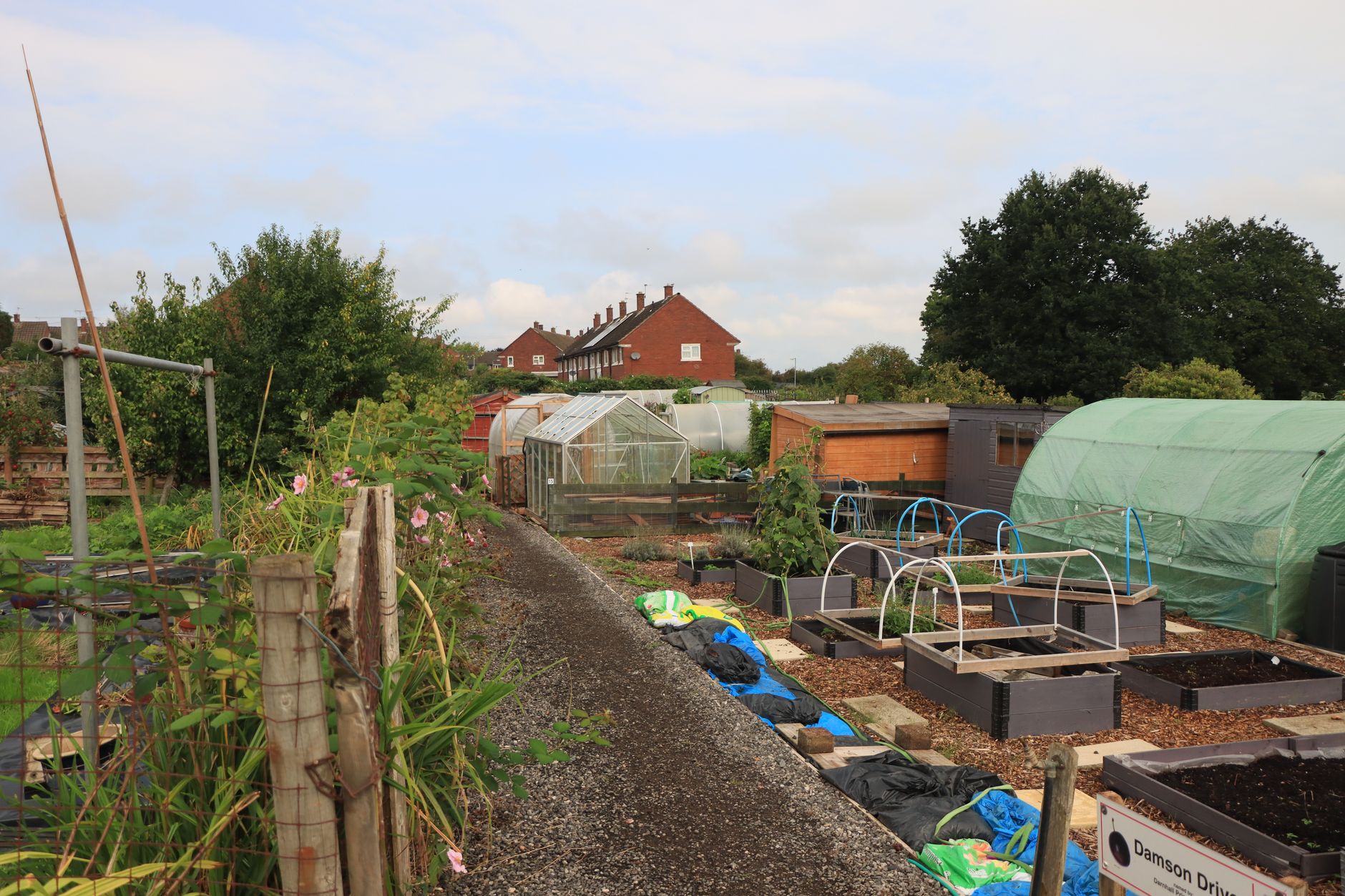
The most useful allotment waiting list tips UK gardeners share are rarely about patience — they are about paperwork, timing and knowing which sites actually turn over plots. Waiting lists in England and Wales range from a few weeks in rural parishes to more than eight years in parts of London, Bristol and Brighton, and the difference often comes down to how many sites you apply to rather than luck. Councils are legally obliged under the Small Holdings and Allotments Act 1908 to provide plots where six or more registered electors demand them, yet enforcement is slow and self-managed associations frequently move faster. This guide covers registration tactics, half-plot strategy, self-managed and private sites, what to do while you wait, and the community routes — from a community garden to a shared growing scheme — that put a spade in your hand this season.
Understand How UK Allotment Waiting Lists Actually Work
Every council keeps its own register, and there is no national allotment queue. Some authorities run a single borough-wide list; others hold a separate list for each site, so applying to one plot does nothing for your position on the next street. Confirm the model in writing before you assume anything about your place.
Turnover, not list length, decides your wait. A 60-plot site losing eight tenants a year clears roughly eight names, while a 200-plot site with a two per cent turnover clears four. Ask the allotments officer for both figures — annual relinquishments and current list size — and divide one by the other.
Most registers purge applicants who ignore the annual confirmation email, which is why lists shorten sharply each spring. Diarise the renewal, keep your address and phone number current, and reply to any offer within the stated window, usually seven to fourteen days. Silence is treated as refusal and sends you to the bottom.
Registering With More Than One Council
Nothing stops you joining lists in neighbouring boroughs or parishes, though some charge non-residents a premium — typically £15 to £60 extra per year on a plot renting for £30 to £120. If you drive or cycle fifteen minutes, that widened net can halve your wait, and these allotment waiting list tips UK renters use most often cost nothing to try.
Apply Strategically: Multiple Sites, Half Plots and Off-Peak Timing
Tick every box on the application form: full plot, half plot, quarter plot, starter bed, and any site you can reach. Half plots — usually 125 square metres against 250 for a full rod-count plot — turn over far more often, and most councils let you upgrade later without rejoining the queue.
Time your application for late summer or early autumn. Tenancies commonly run to 29 September or 31 March, so relinquishments cluster before those dates and officers reallocate in batches. Applying in June often means your name sits ready when the September list is worked through, rather than arriving in November.
Expected waits vary enormously by area and site type. The table below shows typical ranges reported by allotment officers and site secretaries, alongside the rent you can expect to pay for a standard half plot per year, before any water charges or association subscriptions.
| Site type | Typical wait | Annual rent, half plot |
|---|---|---|
| Rural parish council site | 0-12 months | £15-£35 |
| Market town or small district | 1-2 years | £25-£50 |
| Suburban borough | 2-4 years | £35-£70 |
| Large regional city | 3-6 years | £40-£90 |
| Inner London borough | 5-10 years | £60-£140 |
| Self-managed or private site | 0-18 months | £50-£150 |
- Apply to every site within a 20-minute travel radius, not only the nearest one.
- Accept a half plot or an overgrown plot — both come up two to three times more often.
- Ask to join the reserve list for cancelled offers, which many councils keep separately.
- Reply to any offer within 48 hours, even if you view the plot afterwards.
- Re-confirm your interest every spring; unanswered renewal emails remove more names than any other cause.
Look Beyond the Council: Self-Managed, Private and Church Land
Roughly one site in three is self-managed by an association that holds the lease and runs its own list. These are often shorter, and secretaries can allocate immediately when a tenant walks away mid-season. Find them through the National Allotment Society, notice boards at the gate, or by knocking on the site office door.
Private land is the overlooked route. Church of England glebe land, farmers with an awkward field corner and pub landlords with unused paddocks all let ground for £50 to £150 a year. A one-page licence agreement, proof of insurance and a promise to keep the gate shut is usually the whole negotiation.
Garden-sharing matches people with too much lawn to people with none, and several county-level schemes broker the introductions free of charge. The best allotment waiting list tips UK growers pass on include this one: a shared back garden 200 metres away beats a council plot three miles and four years away.
What to Ask a Site Secretary Before You Commit
Ask how many plots turned over last year, whether water is mains-fed or bowser-filled, what the cultivation standard is, and how long a plot may stay untended before a notice is served. Ask about shed and greenhouse permissions, manure deliveries and hosepipe restrictions. Ten minutes of questions prevents an expensive mismatch.
Grow While You Wait Through Community Projects
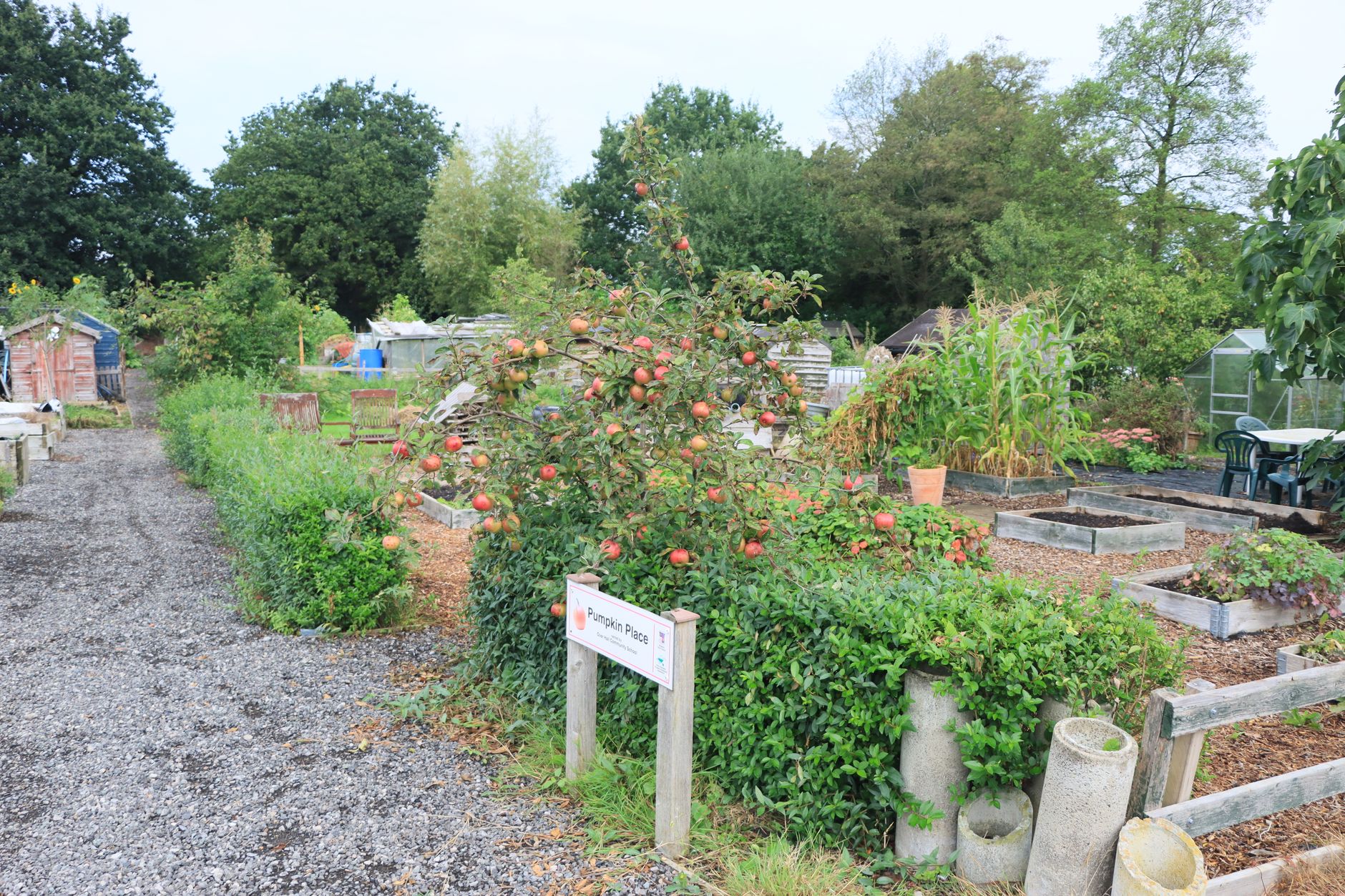
Community growing gets soil under your fingernails immediately. Guides on starting a community garden UK councils actually approve usually begin with a scrap of unused land, a two-year licence and public liability insurance at around £150 to £300 a year. Twenty households sharing one plot beats one household waiting five years.
Surplus is the currency of these projects. Search 'community fridge how it works’ and the model turns out to be simple: a monitored fridge in a hall or shop front, stocked with donated and home-grown food, free to anyone who opens the door, with daily temperature logs kept by rota volunteers.
Growers often end up alongside the same volunteers who explain how to volunteer at food bank sessions each week. Fresh produce is welcome but perishable, so ask before harvesting: the UK food bank referral process runs on vouchers from GPs, schools and Citizens Advice, and warehouses plan stock around tins rather than courgettes.
Kit yourself out cheaply while you wait. The best charity shops in London and in most market towns stock secateurs, forks and boots for £2 to £8, and a clear-out of the shed pairs neatly with donating clothes to charity UK branches resell at a healthy margin. Budget £60 for a starter toolkit.
Use Local Democracy to Move Your Name Up the List
Turn up and ask. Parish council meeting rules UK bodies follow require agendas to be published three clear days in advance and reserve a public participation slot, typically three minutes per speaker. Request that allotment provision be added as an agenda item, and the clerk must record your request in the minutes.
A formal group carries more weight than a lone resident. Six registered electors petitioning together triggers the statutory duty, and learning how to set up a charity or a charitable incorporated organisation lets you hold a lease, apply for grants and insure volunteers. Registration costs nothing and takes six to twelve weeks.
Fundraising builds both the budget and the goodwill. Village hall hire cost UK committees charge runs about £8 to £25 an hour, cheap enough for a monthly growers meeting, and knowing how to run a village fete can clear £1,500 in an afternoon towards fencing, water butts and a communal shed.
Visibility inside local institutions helps as well. Residents who research 'neighbourhood watch scheme how to start’ build the same street-level contact lists that surface spare land, and anyone weighing how to become a school governor will find schools with unused field corners open to a growing partnership.
How long is the average allotment waiting list in the UK?
There is no single national figure, and averages hide enormous variation. Rural parish sites frequently offer plots within a few months, suburban districts run two to four years, and inner London boroughs regularly quote five to ten years, with some closed lists refusing new names entirely. The most reliable of the allotment waiting list tips UK officers hand out is to ask for two numbers rather than an average: current list length and last year’s relinquishments. A 90-name list on a site releasing thirty plots a year is a three-year wait; the same list on a site releasing five is an eighteen-year wait.
Is it worth paying for a private allotment plot instead of waiting?
Often yes, once you price your own time. Private plots and garden shares typically cost £50 to £150 a year against £30 to £80 for a council plot, so the premium is £20 to £100 — less than a month of supermarket vegetables from a productive half plot. The trade-offs are security and infrastructure: private agreements are usually annual licences with short notice periods, and there may be no mains water, no communal manure heap and no shared rotavator. If you plan fruit trees or asparagus beds that only repay from year three, keep your council application running alongside the private plot.
What happens if I turn down the first plot I am offered?
Policies differ, so read the tenancy documents before declining. Many councils allow one or two refusals before returning you to the back of the list, others treat a single refusal as withdrawal and delete your name, and some simply pause your position for six months. Refusing an overgrown plot is rarely wise: one season under cardboard and tarpaulin clears most couch grass and bramble, and neglected plots come up far more often than tidy ones. If a plot is genuinely unworkable — waterlogged, shaded all day, or contaminated — put your reasons in writing so the record shows a considered decision rather than a no-show.
