
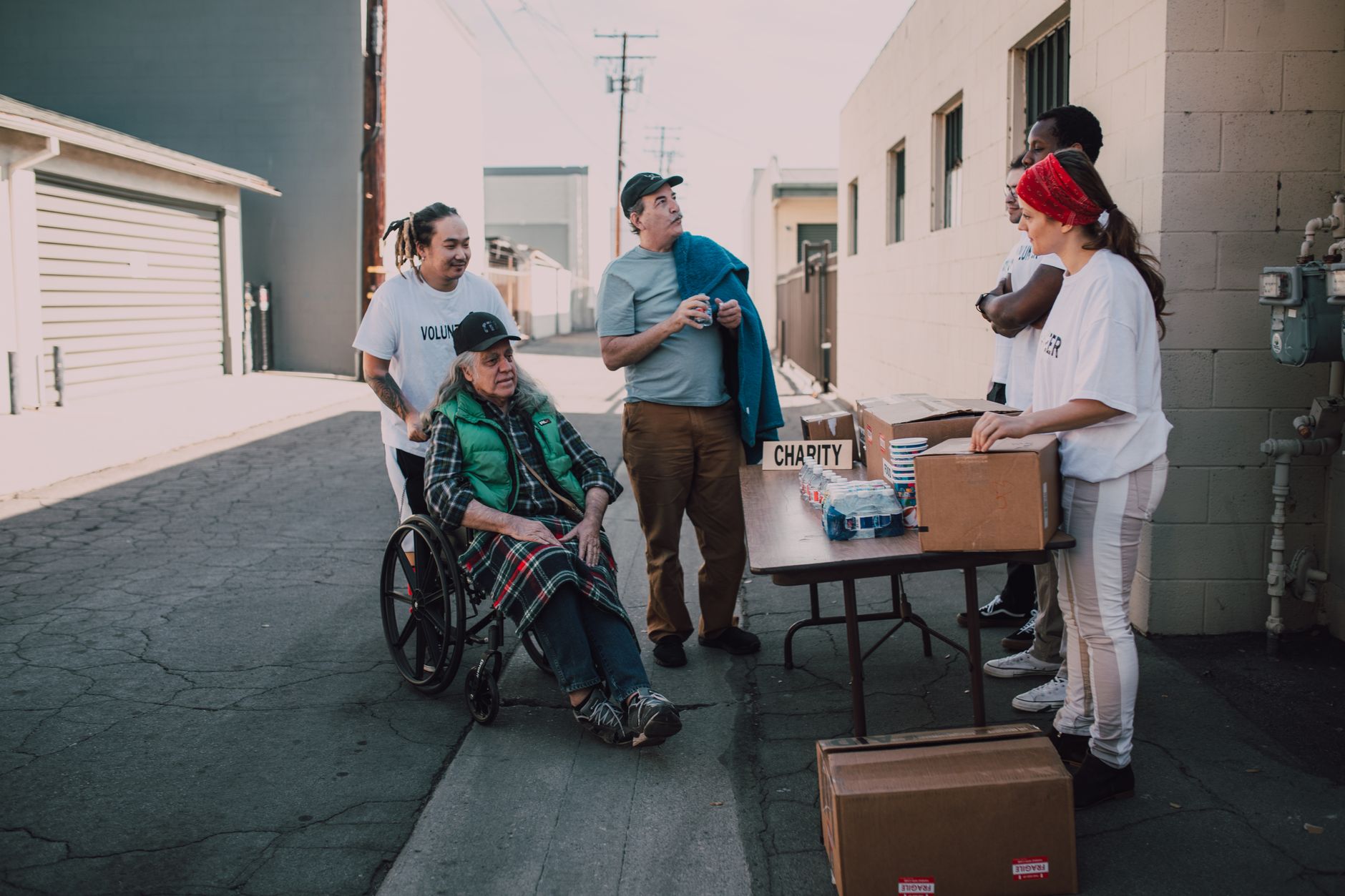
Charity Fundraising Ideas That Raise Real Money in Your Local Community
The best charity fundraising ideas are rarely the flashiest ones — they are the ones your neighbours will actually turn up to on a wet Saturday in February. Across UK towns, the charity fundraising ideas that clear £1,000 or more tend to share three traits: an entry cost of £2 to £5, a venue within a fifteen-minute walk of most attendees, and a hook that people want to photograph. A village hall quiz with 20 teams at £20 per team grosses £400 before the raffle even starts; a well-run summer dog show with 120 class entries at £3 each can clear £900 in a single afternoon. This guide sets out costed, tested formats used by community groups, PTAs, scout troops and hospice shops, with real GBP figures, supplier examples and the admin details — Gift Aid, insurance, small lottery licensing — that decide whether your event ends the day in profit or in the red.
Start With Your Community, Not With the Activity
Most fundraisers fail at the planning stage because someone picks an activity they personally like. A skydive raises headlines and almost no cash: the jump costs £250 and the average sponsor total in the UK sits near £400, leaving £150 for the cause. Reverse the process and start with who lives within a mile of you.
A postcode with a high proportion of over-65s supports afternoon tea dances, garden open days and whist drives. A young-family estate supports softplay takeovers, second-hand uniform sales and toy swaps. The demographic decides the format, the format decides the price point, and the price point decides how many people you need through the door to break even.
Be honest about volunteer capacity too. A car boot sale needs four people for six hours. A community fete needs fourteen for a full weekend including set-up and clear-down. If you have five reliable helpers, choose the format that five people can run without burning out before the next event.
Map the 400 Households Nearest You
Walk the streets and count. Note the schools, the two pubs, the church hall with a 120-person capacity, the barber who might sponsor a banner for £50. That list is your entire market and your entire supply chain. Almost every successful community fundraiser draws 70 per cent of its income from inside that radius.
Quiz Nights, Bake Sales and Other Sub-£200 Formats
Low-cost formats are where new groups should begin, because a failed quiz costs you £80 and a failed festival costs you £3,000. The economics are forgiving: hall hire in most UK villages runs £12 to £25 per hour, and a Friday night quiz needs three hours plus an hour of setup.
Run the numbers before you print a single poster. Twenty teams of four at £5 per head is £400. Add a raffle with donated prizes and expect £3 to £6 per attendee, so £240 to £480 more. A bar run by the venue on a profit-share basis adds another £100. Total gross sits comfortably between £700 and £900.
Bake sales look small but scale beautifully. A school gate sale with 30 donated bakes priced at £1 each clears £30. The same sale run outside a supermarket entrance on a Saturday, with permission from the store manager, routinely takes £180 to £250 because footfall is twenty times higher for identical effort.
A Costed Quiz Night, Line by Line
- Hall hire, four hours at £18: £72
- Printed answer sheets and pens: £9
- PA hire or borrowed Bluetooth speaker: £0 to £35
- Prizes (donated hamper, two bottles of wine): £0 to £20
- Total outlay: £81 to £136 against £700-plus gross
Dog Shows and Pet-Themed Fundraisers Pull the Biggest Crowds
A fun dog show is the highest-yield outdoor format most community groups never try. Six classes — waggiest tail, best rescue, golden oldie, best trick, child handler, best in show — at £3 per class with 120 total entries produces roughly £900 gross. Rosettes cost about £0.80 each from specialist suppliers, so prize spend stays under £60.
Breed-interest crowds are what fill the field. In any UK town, a slice of your visitors arrived after typing french bulldog puppy for sale into their phone the week before, and a welfare or rescue stall placed beside the show ring turns that idle curiosity into donations. Volunteers who can talk calmly about health testing convert browsers into genuine supporters.
Build the welfare stall around the questions people actually arrive with, rather than around a leaflet nobody reads:
- Someone searching puppy french bulldog for sale usually has a deposit ready, so a sixty-second chat about breeder licensing lands far harder than printed material.
- Families typing english bulldog puppy for sale near me respond well to a rehoming board showing local dogs currently waiting.
- Visitors who searched puppy for sale french bulldog rarely know that BOAS airway surgery runs to £1,500 or £2,500 at a specialist referral centre.
- Anyone comparing a blue french bulldog puppy for sale against a standard-coloured litter needs to hear why colour-led breeding is discouraged by the Kennel Club.
- Ask what french bulldog puppy price uk figures they have been quoted; the £2,000 to £4,000 gap between licensed and unlicensed sellers starts a real conversation faster than any statistic.
Your welfare partner will thank you for the footfall. Rescue coordinators consistently report that the phrase french bulldog puppy for sale uk drives more traffic toward their pages than any campaign they can afford to fund themselves, and a show stall hands them a face-to-face version of exactly that audience. Give them the £25 gazebo pitch free.
Keep the tone practical rather than preachy. A visitor who typed puppy french bulldog for sale uk on Tuesday, then hears a five-minute talk on kennel cough, microchipping law and the £500 average first-year veterinary bill on Saturday, leaves better informed — and very often drops a £10 note in the collection bucket on the way back to the car park.
Signage does a surprising amount of the work. A board reading: thinking about a puppy bulldog for sale near me? Ask us three questions first — pulls people across the grass. A rehoming list showing the british bulldog puppy for sale near me and american bulldog puppy for sale near me enquiries your local rescue actually receives puts the scale of the problem in plain numbers. Even a screenshot of a mini bulldog puppy for sale advert, blown up on a poster with the seller red flags circled in marker pen, becomes one of the most photographed things on the field.
Sponsorship, Stalls and Selling Space
Income from ticket sales is capped by attendance. Income from sponsorship is capped only by how many businesses you ask. A local estate agent, dental practice or car dealership will typically pay £100 to £500 for banner placement and logo inclusion on your printed programme, and their marketing budget already exists.

Stall pitches are the second lever. Charge craft traders £20 to £30 per pitch, food vendors £50 to £75, and offer the pitch free to your chosen charity partner. Fifteen stalls at an average of £30 adds £450 to the day before a single visitor arrives.
Here is how the main revenue lines typically compare at a mid-sized community event with 400 attendees:
| Revenue line | Typical gross | Cost to run | Volunteer hours |
|---|---|---|---|
| Entry tickets (£3 adult) | £900 | £40 printing | 8 |
| Business sponsorship | £600 | £60 banners | 6 |
| Stall pitch fees | £450 | £0 | 4 |
| Raffle and tombola | £520 | £45 tickets | 10 |
| Refreshments (tea, cake) | £380 | £90 supplies | 12 |
Gift Aid, QR Codes and Digital Giving
Gift Aid adds 25p to every qualifying £1 donated by a UK taxpayer and it is the single most underused multiplier in community fundraising. A £2,000 event that collects declarations properly becomes a £2,500 event for the cost of a clipboard and ten minutes of admin per collector.
Contactless matters more every year. A SumUp Solo reader costs £79 with transaction fees around 1.69 per cent, and groups that add one report bucket takings rising 30 to 60 per cent, simply because fewer people carry coins. Place one reader at the entrance and one at the refreshment table.
Pair that with a JustGiving or Enthuse page and a printed QR code on every poster, table tent and rosette. Donations continue arriving for roughly ten days after the event itself, and that tail commonly represents 15 per cent of the final total for groups that remember to post photographs the same evening.
Measuring Return Per Volunteer Hour
Gross income is a vanity number. The metric that tells you what to repeat next year is profit divided by total volunteer hours. A quiz night generating £700 profit from 30 volunteer hours returns £23 per hour. A car wash generating £300 from 40 hours returns £7.50, and should be quietly retired.
Track three figures for every event: total gross, total spend, and hours logged including planning. Most groups never record the third and therefore keep repeating the exhausting, low-yield formats out of habit rather than evidence. A single shared spreadsheet solves this permanently.
Review the numbers within a fortnight, while memories are fresh. Ask each team lead what they would cut, what they would double and what nearly went wrong. The answers to those three questions shape a better event far more reliably than any brainstorming session held from a cold start.
Mistakes That Sink Community Fundraisers
Pricing too low is the commonest error. Groups charge £1 entry because they fear excluding people, then wonder why 300 attendees produced £300. Charge £3 with free entry for under-fives and offer a handful of free tickets through the local food bank; you keep the access and triple the income.
The second killer is unspent contingency. Weather ruins outdoor events, and a marquee booked at £280 as a wet-weather fallback is not wasted money — it is the difference between a postponed fete and a cancelled one. Build 10 per cent of budget into contingency and accept that you may spend it.
The third is failing to check the rules. Raffles sold on the day at the event need no licence in England and Wales, but tickets sold in advance require registration with your local authority at roughly £40. Public liability insurance for a one-day community event costs £60 to £120 and is non-negotiable.
FAQ
How much can charity fundraising ideas realistically raise in a small village?
A settlement of 800 to 1,500 residents can reliably support an annual event grossing £1,500 to £3,000, with net profit landing between £1,100 and £2,400 once hall hire, insurance, printing and prize costs are deducted. The ceiling is set by attendance rather than enthusiasm: expect roughly 25 to 35 per cent of the local population to attend a well-promoted summer event, and around 8 per cent for an indoor evening format. Groups that run three or four smaller events across the year — a quiz in February, a dog show in June, a Christmas fair in December — consistently outperform those staging one large annual occasion, because volunteer fatigue stays manageable and supporters give repeatedly rather than once.
Is a licence required to run a raffle or tombola at a community event?
In England, Scotland and Wales an incidental lottery held during a larger event needs no licence, provided tickets are sold only at that event and on the day, the results are drawn on site, prize spend stays under £500 and deducted expenses stay under £100. Selling tickets in advance, at the school gate or through a shop window, changes the category to a small society lottery, which must be registered with your local authority for a fee of about £40 plus a £20 annual renewal. Alcohol prizes are permitted but should not be handed to anyone under 18. Public liability cover of at least £5 million is expected by most village halls before they will confirm a booking.
What are the cheapest charity fundraising ideas for a group with no budget?
Sponsored formats cost nothing upfront: a sponsored silence, walk, litter pick or read-a-thon needs only a paper form and a JustGiving page, and a school-wide read-a-thon with 200 pupils averaging £12 in sponsorship raises £2,400 for zero outlay. Bag packing at a supermarket is equally free and takes £250 to £600 across a busy Saturday, with the store providing the space. A donated-goods auction, run through a Facebook group with bids in the comments, costs nothing but a volunteer’s evening and regularly clears £400. Start with one of these, bank the profit, then reinvest £150 of it into a paid-venue format the following quarter.
